The Difference Between Brain Fog And Early Cognitive Decline — How To Tell
Quick Read Brain fog, a temporary cloudiness caused by poor sleep, stress, or nutritional gaps, is far more common than
We write a new article on supplements every day , all detailed, with citations.
Once a week we send an email containing a list of the last 7 days articles. Please sign up and also feel free to share the articles with friends and family who you think might benefit.
Simon Parrott – Vitacuity Ltd
Magnesium is a mineral that controls electrical activity in your brain by regulating how much calcium flows into nerve cells. When you have enough magnesium, your brain stays calm and protected. When you run low, your neurons become overexcited and inflammation increases, which can affect mood, sleep, and thinking. Most people are deficient without knowing it because standard blood tests only measure 1% of your body’s magnesium, missing the shortage in your brain and tissues.
Research shows strong evidence that magnesium helps prevent migraines by reducing nerve hyperexcitability. For depression and anxiety, the evidence is promising but depends on whether you’re actually deficient and which form of magnesium you take. A newer form called magnesium L-threonate can cross into the brain more easily than standard forms and showed improved memory in a small human trial, though more research is needed.
For serious brain diseases like Alzheimer’s and Parkinson’s, the biological mechanisms look promising based on animal and laboratory studies, but we don’t yet have large human trials proving that supplementing prevents or slows these conditions. Most people can safely supplement with 200 to 400mg of magnesium daily from food or supplements, though anyone with kidney disease should check with their doctor first.
Verdict: Magnesium appears to be a genuinely important nutrient for brain health with strong evidence for migraines and promising evidence for mood and memory, though the evidence for preventing dementia remains incomplete.
Here’s what decades of research has taught us about one of the most overlooked minerals on the planet, and what it means for your brain today.
Cast your mind back to the early 20th century. Magnesium was something chemists worried about in laboratories and engineers thought about in aircraft manufacturing. It was an industrial element. Abundant, yes, the fourth most common mineral in the human body, as it turns out, but hardly something a doctor would associate with how clearly you think, how well you sleep, or whether you’re heading towards cognitive decline in your sixties. The idea that this commonplace mineral might be quietly governing hundreds of biochemical processes inside every neuron in your brain? That would have seemed, to most physicians of that era, faintly absurd.
And yet here we are. After nearly three decades of accumulating neuroscience, a remarkable picture has emerged, one that has shifted magnesium from the industrial supply cupboard to the front line of brain health research. This isn’t hype. This isn’t the supplement industry spinning a story. This is a genuine scientific journey, with real data, real limitations, and some genuinely surprising conclusions.
Vitacuity’s research team has analysed over 1.77 million research papers, and selected the most rigorous and relevant studies on magnesium for this deep-dive. Here’s what the evidence actually shows, including where it’s strong, where it’s promising, and where we honestly still need more work.
Before we get into specific findings, it helps to understand *why* magnesium matters so much to the brain in the first place. Because once you understand the mechanism, the breadth of research findings stops feeling like a shopping list of coincidences and starts feeling like a coherent, compelling story.
Magnesium is a cofactor, a kind of molecular helper, for more than 300 enzymatic reactions in the human body [6]. Many of these reactions happen in the brain. But its most important neurological role is as a natural regulator of *electrical activity*.
Your brain runs on electricity. Neurons fire signals across junctions called synapses, and those signals are carried by charged particles, ions, moving in and out of cells through specialised channels. Magnesium sits at the gate of some of the most critical of these channels. Specifically, it blocks a receptor called the NMDA receptor (N-methyl-D-aspartate receptor), which controls how much calcium floods into neurons during activity [2]. Think of magnesium as the bouncer at the door of a very excitable club. When magnesium is present in sufficient quantities, it keeps the flow of calcium controlled and orderly. When magnesium is depleted, the door swings open, neurons become hyperexcitable, calcium rushes in, and the conditions for cellular damage are set [2, 13].
This phenomenon, called excitotoxicity, is implicated in everything from migraine to depression to neurodegeneration [8]. It’s one of the central reasons researchers have spent three decades investigating magnesium as a potential neuroprotective agent.
There’s another layer, too. Magnesium regulates our brain’s inhibitory system, specifically, it activates GABA receptors, the receptors responsible for calming neural activity [2]. When magnesium levels fall, the brain loses some of its natural braking system. The result? More anxiety, more stress reactivity, more of the inflammatory cascade that is now understood to underpin many psychiatric and neurodegenerative conditions [1, 14].
Magnesium also supports the structural integrity of the blood-brain barrier, the protective layer that keeps harmful substances out of the brain, and plays a role in modulating neuroinflammation, which is increasingly understood as a central driver of cognitive decline [14].
The question is: does any of this laboratory science translate into real benefits for real people? Here’s what the research shows.
Before we can talk about what magnesium *does*, we need to talk about how common it is to have too little of it. And the answer is: very common, and largely invisible.
Here’s the clinical problem. Standard blood tests measure *serum* magnesium, the amount floating in your bloodstream. But only about 1% of the body’s total magnesium is in the blood [4]. The vast majority is stored in bone and soft tissue. So your blood test can look perfectly normal while your tissues, your muscles, and your brain are running chronically low.
This is what researchers now call “subclinical” or “functional” magnesium deficiency, and according to a 2026 review published in *Current Nutrition Reports*, it appears to be considerably more common than the frank deficiency that shows up on standard tests [4]. True biochemical deficiency is rarely seen in clinical practice, the same review notes, but the subclinical variety shows up repeatedly across studies of chronic disease populations.
A 2025 review in *Nutrients* reinforces this picture, noting that chronic subclinical magnesium deficiency is an “increasingly prevalent condition in the general population” and is associated with elevated risk of cardiovascular, respiratory, and neurological conditions [2]. Elevated mortality was also noted in association with chronic low magnesium status [2].
Evidence grade: Strong that subclinical deficiency is common. Promising that deficiency is associated with disease risk, but causation is harder to establish definitively than correlation.
Why are so many people low? The most likely answer is a combination of factors: modern food processing strips magnesium from grains; soil depletion has reduced the magnesium content of vegetables; and stress, alcohol, and several commonly prescribed medications (including proton pump inhibitors and certain diuretics) all deplete magnesium stores further. The modern lifestyle, in other words, is not magnesium-friendly [4].
Measuring your true magnesium status is also genuinely tricky. A 2026 review in *Current Nutrition Reports* noted that it is best evaluated through a combination of serum magnesium, urinary magnesium, *and* dietary intake, not any one measure alone [4]. This is part of why deficiency so often goes undetected.
The relationship between magnesium and mood has a longer research history than most people realise, and the emerging picture is more coherent than the “conflicted” label sometimes suggests.
Here’s why results have varied across studies, and why that variation makes *sense* rather than undermining the finding. Studies showing no effect typically used forms of magnesium with poor bioavailability, or insufficient doses, or measured populations who were not deficient to begin with. Studies showing benefit have tended to involve people with lower baseline magnesium status, or used more bioavailable forms, or ran for longer. This is not a case of contradictory science, it’s a case of research that was asking slightly different questions in slightly different populations [1].
The mechanisms are genuinely plausible. Magnesium influences two of the brain’s most important neurotransmitter systems simultaneously: glutamate (the brain’s primary excitatory signal) and GABA (its primary calming signal) [1, 2]. Both are strongly implicated in depression. Magnesium also modulates the HPA (hypothalamic-pituitary-adrenal) axis, the system that governs our stress hormone response [1]. When the HPA axis is chronically dysregulated, which happens in depression, cortisol stays elevated. And elevated cortisol, in turn, depletes magnesium further. It’s a cycle.
A 2025 comprehensive review in *Nutrients* concluded that “magnesium deficiency is associated with the development of depression,” and that magnesium’s anti-inflammatory properties may additionally contribute to alleviating depressive symptoms [1]. This aligns with the broader neuroinflammation hypothesis of depression, which has gained considerable traction in recent years.
A 2024 review in *Current Neuropharmacology* described how magnesium supplementation, particularly in bioavailable forms, has shown “promising results” in alleviating symptoms of mental health disorders [6].
Evidence grade: Promising to Conflicted. There is a coherent biological mechanism, consistent associations between low magnesium and depression, and RCT evidence of benefit in some populations. Results vary depending on baseline magnesium status, form of supplement used, and duration of intervention. The overall weight of evidence suggests benefit is most likely in those who are deficient, which, as we’ve established, is more people than standard testing reveals.
If the depression evidence is promising but nuanced, the migraine evidence is considerably more robust, and has been accumulating for longer.
Migraines are partly a disorder of neuronal hyperexcitability. The trigeminal system, the neural network that generates migraine pain, becomes dysregulated, blood vessel tone in the brain fluctuates abnormally, and waves of electrical disruption (called cortical spreading depression) ripple across the brain. Magnesium is involved in regulating all three of these mechanisms [1].
Low magnesium levels have been found more frequently in migraine sufferers than in control groups across multiple studies. And crucially, magnesium supplementation has been shown to reduce migraine frequency in clinical trials. A 2026 review in *Current Nutrition Reports* specifically noted that “studies noted the significant role of magnesium in the acute management of… migraine” [4]. The same review highlighted that multiple RCTs have demonstrated efficacy of magnesium supplementation in this context.
A 2025 review in *Nutrients* elaborated on the mechanisms: magnesium “plays a role in regulating cerebral vascular tone, modulating the trigeminovascular system, and reducing neuronal hyperexcitability, which may explain the observed correlation between magnesium levels and the incidence of migraines” [1].
Evidence grade: Strong for the association between low magnesium and migraine. Strong to Promising for magnesium supplementation reducing migraine frequency, the RCT evidence here is among the most consistent in the magnesium literature.
One of the most significant breakthroughs in magnesium research has been a relatively simple but profound insight: not all magnesium supplements reach the brain equally well.
Magnesium has long struggled with a fundamental problem. The blood-brain barrier, the protective layer that controls what enters the brain, is exceptionally selective. Standard magnesium salts like magnesium oxide and magnesium sulphate have poor penetration into brain tissue. You can supplement with these forms and raise your blood magnesium without meaningfully raising brain magnesium [8, 15]. This is likely why some early clinical trials, which used basic magnesium salts, showed disappointing neurological results. The mineral wasn’t getting where it needed to go.
A 2016 review in *Magnesium Research* noted that “a potential neuroprotective role for magnesium in neurological disease has been appreciated for almost three decades, yet translation to the clinical arena has proven elusive”, and identified blood-brain barrier penetration as the central limiting factor [15].
The development of magnesium L-threonate (MgLT) changed this picture. This specific form was designed to cross the blood-brain barrier more effectively, and animal studies showed it could meaningfully raise magnesium levels in the cerebrospinal fluid, the fluid that bathes the brain, in ways that standard forms could not [9, 15].
The human trial data is early but interesting. A 2022 double-blind, placebo-controlled study published in *Nutrients* tested a magnesium L-threonate-based formulation (Magtein®PS) in 109 healthy Chinese adults aged 18–65 [10]. Participants received either the supplement or a placebo for 30 days at a dose of 2g per day. Those receiving the supplement showed significant improvements across all five subcategories of a validated clinical memory test, as well as overall memory quotient scores. Notably, older participants showed greater improvement than younger ones, suggesting the intervention may be particularly relevant for the age group experiencing the earliest signs of cognitive change [10].
Evidence grade: Promising. This was a single trial of 109 participants, 30 days duration, using a combination formula (the supplement also contained phosphatidylserine, vitamin C, and vitamin D, making it difficult to attribute effects solely to magnesium L-threonate). Replication in larger, longer trials is needed. The animal data on brain magnesium elevation is consistent and compelling; the human cognitive data is early but encouraging.
A 2022 animal study in *Nutritional Neuroscience* found that even a short-term, moderate reduction in dietary magnesium (87% of normal intake for 30 days) produced a significant decline in cerebrospinal fluid magnesium and the emergence of anxiety-like behaviour in rats [9]. This suggests that brain magnesium is “more sensitive to a short-term and moderate reduction in Mg dietary intake than previously thought”, a finding with significant implications for the many people consuming less than optimal magnesium daily [9].
This is the frontier of magnesium research, the area with the greatest potential and the least clinical certainty. And it’s worth understanding exactly where the evidence stands, because the picture is both genuinely exciting and genuinely incomplete.
Neuroinflammation, chronic, low-grade inflammation inside the brain, is now understood to be a central driver of neurodegenerative conditions including Alzheimer’s disease and Parkinson’s disease [14]. Magnesium is an anti-inflammatory mineral. It supports the integrity of the blood-brain barrier, reduces oxidative stress, and modulates the inflammatory signalling pathways that, when dysregulated, contribute to neuronal damage [14].
A 2022 narrative review in the *International Journal of Molecular Sciences* found evidence linking magnesium derangement to multiple sclerosis, Alzheimer’s disease, and Parkinson’s disease, all conditions where neuroinflammation plays a central role [14]. The same review noted that magnesium “harmonises nerve signal transmission and preserves the integrity of the blood-brain barrier” [14].
A 2019 review in *Neurochemistry International* went further, analysing the specific mechanisms by which magnesium might slow Alzheimer’s-related pathology. The researchers found that magnesium shows “interesting abilities to facilitate toxin clearance, reduce neuroinflammation, inhibit the pathologic processing of amyloid protein precursor (APP) as well as the abnormal tau protein phosphorylation”, two of the central molecular events in Alzheimer’s disease [12]. They also noted magnesium’s ability to “reverse the deregulation of N-methyl-D-aspartate receptors”, the same NMDA receptor mechanism we described earlier [12].
A 2024 review in the *International Journal of Molecular Sciences* compiled magnesium level data from humans with Alzheimer’s disease, Parkinson’s disease, and ALS, finding variations in magnesium across blood, cerebrospinal fluid, urine, and hair samples in affected individuals, and concluded that magnesium’s neuroprotective, antioxidant, anti-inflammatory, and mitochondrial-supportive properties make it “a potential therapeutic agent” for these conditions [11].
Evidence grade: Early stage to Promising. The mechanistic case is compelling and consistent. The epidemiological associations are real. What we lack are large, well-designed, long-duration human intervention trials, the kind that could tell us definitively whether supplementing magnesium slows cognitive decline or reduces dementia risk in humans. This research is happening, but it isn’t complete yet. The honest position is: the biology is pointing firmly in the right direction, but we cannot yet make strong clinical claims.
Being honest about gaps isn’t a sign of weakness in the science, it’s a sign that we’re reading it correctly. Here are the genuine unknowns:
The form problem. Many early magnesium studies used forms with poor bioavailability, magnesium oxide being the classic example, which has notoriously low absorption. When those studies showed weak results, it wasn’t necessarily that magnesium didn’t work; it was that the magnesium didn’t get where it needed to go. This matters enormously for interpreting the historical literature, and it means older negative trials should be read in context, not taken as final verdicts [15].
The blood-brain barrier challenge remains partially unsolved. Even magnesium L-threonate, the most promising form for brain delivery, has limited human trial data. We know it raises brain magnesium in animals. We have one encouraging 109-person human trial. We need more, larger, longer studies [10, 15].
Measuring deficiency is genuinely difficult. Standard serum tests miss most of the picture. More comprehensive assessment (serum + urinary + dietary intake) is not routinely available, and testing is expensive and inconsistent across laboratories [4]. This makes it hard to know, in research settings and in clinical practice, who is truly deficient.
The Alzheimer’s and neurodegeneration question is unanswered. The mechanistic evidence is compelling. The epidemiological associations are interesting. But we do not yet have the definitive long-term interventional human trial that could confirm whether magnesium supplementation meaningfully slows cognitive decline or reduces dementia risk [1, 11, 12]. This research is urgently needed and, encouragingly, appears to be underway.
Optimal dosing is not established. Different studies have used different doses, different forms, different populations and different durations. This is a primary reason why results appear “conflicted” in meta-analyses, the studies are often comparing apples with oranges [4, 6].
Kidney function matters. For most people, supplementing magnesium at normal doses is safe and excess is excreted renally. But for people with impaired kidney function, magnesium can accumulate to harmful levels. This is a genuine caution, not a boilerplate disclaimer [4].
Here’s what a sensible, well-read friend would actually tell you over coffee, based on three decades of magnesium research.
Magnesium is not a miracle mineral. It is not going to reverse dementia or cure depression. But the evidence tells a coherent story: it is a foundational nutrient for brain function, chronically under-consumed by a large proportion of the population, and closely linked, through well-understood biological mechanisms, to mood, neurological excitability, migraine, and long-term cognitive health.
The risk of being quietly deficient is real and common. The risk of supplementing at normal doses is very low, provided your kidneys are healthy. This is a mineral where the practical calculus strongly favours action.
Here’s what the evidence actually supports doing:
1. Prioritise magnesium-rich food first. Leafy greens (particularly Swiss chard), legumes, nuts, seeds, and whole grains are your best dietary sources [9]. This isn’t about being preachy, it’s because food-sourced magnesium comes with a range of co-factors that support absorption, and a 2022 animal study specifically found that a Swiss chard and buckwheat extract raised brain magnesium more effectively than several isolated supplement forms [9].
2. Supplement if your diet is imperfect, which for most people, it is. Magnesium is not water-soluble in the same way B vitamins are, but it is excreted renally when in excess (provided kidneys function normally), and the toxicity risk at normal supplement doses is very low [4]. For most people, a daily supplement of 200–400mg elemental magnesium is safe, practical, and likely beneficial.
3. If cognitive support is your primary goal, consider magnesium L-threonate. The evidence is early-stage in humans, but it is the form with the most consistent data on brain magnesium elevation, and the one human RCT we have was promising [10, 15]. It is typically more expensive than standard magnesium forms, worth knowing before you budget.
4. If you suffer from migraines, this is worth taking seriously. The migraine evidence is among the strongest in the magnesium literature. Multiple RCTs support supplementation [4, 1]. Discuss with your doctor, but don’t wait for the perfect trial before considering it.
5. If you have kidney disease, check with your doctor first. This is the one genuine caution that isn’t just regulatory boilerplate [4].
6. Don’t rely on standard blood tests to rule out deficiency. They measure approximately 1% of your body’s magnesium. Subclinical deficiency is common and largely invisible to routine testing [4, 2]. If you have symptoms, fatigue, poor sleep, muscle cramps, low mood, migraines, the threshold for trying a magnesium supplement should be low.
Science is a journey. The story of magnesium started in industrial chemistry and has travelled, over decades of careful research, to some of the most important questions in brain health. We don’t have all the answers yet. But we know enough to act, wisely, proportionately, and with open eyes.
[1] The Role of Magnesium in Depression, Migraine, Alzheimer’s Disease, and Cognitive Health: A Comprehensive Review (2025). *Nutrients*. DOI: 10.3390/nu17132216 | https://pubmed.ncbi.nlm.nih.gov/40647320/ | https://www.ncbi.nlm.nih.gov/pmc/articles/PMC12252419/
[2] The Impact of Chronic Magnesium Deficiency on Excitable Tissues, Translational Aspects (2025). *Biological Trace Element Research*. DOI: 10.1007/s12011-024-04216-2 | https://pubmed.ncbi.nlm.nih.gov/38709369/
[3] Integrated Systemic and Neurobiological Effects of a Multi-Form Magnesium Supplement Compared to Single Magnesium Forms in Rats (2026). *International Journal of Molecular Sciences*. DOI: 10.3390/ijms27156581 | https://pubmed.ncbi.nlm.nih.gov/42589240/ | https://www.ncbi.nlm.nih.gov/pmc/articles/PMC13465013/
[4] Magnesium: Hype and Health Benefits (2026). *Current Nutrition Reports*. DOI: 10.1007/s13668-026-00786-w | https://pubmed.ncbi.nlm.nih.gov/42484803/
[5] Magnesium, The Silent Partner or the Next Vitamin D? Shifting Paradigm in Mineral Metabolism in Health and Disease (2026). https://pubmed.ncbi.nlm.nih.gov/41659294/ | https://www.ncbi.nlm.nih.gov/pmc/articles/PMC12882071/
[6] Magnesium (Mg2+): Essential Mineral for Neuronal Health: From Cellular Biochemistry to Cognitive Health and Behavior Regulation (2024). *Current Neuropharmacology*. DOI: 10.2174/0113816128321466240816075041 | https://pubmed.ncbi.nlm.nih.gov/39253923/
[8] A Mini Review on the Various Facets Effecting Brain Delivery of Magnesium and Its Role in Neurological Disorders (2023). *Biological Trace Element Research*. DOI: 10.1007/s12011-022-03517-8 | https://pubmed.ncbi.nlm.nih.gov/36534337/
[9] Elevation of Brain Magnesium with Swiss Chard and Buckwheat Extracts in an Animal Model of Reduced Magnesium Dietary Intake (2022). *Nutritional Neuroscience*. DOI: 10.1080/1028415X.2021.1995119 | https://pubmed.ncbi.nlm.nih.gov/34730480/
[10] A Magtein®, Magnesium L-Threonate, -Based Formula Improves Brain Cognitive Functions in Healthy Chinese Adults (2022). *Nutrients*. DOI: 10.3390/nu14245235 | https://pubmed.ncbi.nlm.nih.gov/36558392/ | https://www.ncbi.nlm.nih.gov/pmc/articles/PMC9786204/
[11] Magnesium (Mg) and Neurodegeneration: A Comprehensive Overview of Studies on Mg Levels in Biological Specimens in Humans Affected by Some Neurodegenerative Disorders with an Update on Therapy and Clinical Trials (2024). *International Journal of Molecular Sciences*. DOI: 10.3390/ijms252312595 | https://pubmed.ncbi.nlm.nih.gov/39684308/ | https://www.ncbi.nlm.nih.gov/pmc/articles/PMC11641227/
[12] Can Magnesium Reduce Central Neurodegeneration in Alzheimer’s Disease? Basic Evidences and Research Needs (2019). *Neurochemistry International*. DOI: 10.1016/j.neuint.2019.03.014 | https://pubmed.ncbi.nlm.nih.gov/30905744/
[13] The Impact of Chronic Magnesium Deficiency on Excitable Tissues, Translational Aspects (2025). *Biological Trace Element Research*. DOI: 10.1007/s12011-024-04216-2 | https://pubmed.ncbi.nlm.nih.gov/38709369/
[14] Magnesium and the Brain: A Focus on Neuroinflammation and Neurodegeneration (2022). *International Journal of Molecular Sciences*. DOI: 10.3390/ijms24010223 | https://pubmed.ncbi.nlm.nih.gov/36613667/ | https://www.ncbi.nlm.nih.gov/pmc/articles/PMC9820677/
[15] Magnesium in the CNS: Recent Advances and Developments (2016). *Magnesium Research*. DOI: 10.1684/mrh.2016.0408 | https://pubmed.ncbi.nlm.nih.gov/27829572/
This article is for informational purposes only and does not constitute medical advice. Food supplements should not be used as a substitute for a varied and balanced diet and healthy lifestyle. If you are pregnant, breastfeeding, taking medication or have a medical condition, consult your doctor before taking any supplement. These statements have not been evaluated by the Food and Drug Administration (FDA) or the Medicines and Healthcare products Regulatory Agency (MHRA). This product is not intended to diagnose, treat, cure, or prevent any disease.
Quick Read Brain fog, a temporary cloudiness caused by poor sleep, stress, or nutritional gaps, is far more common than
Quick Read Most magnesium supplements don’t reach your brain effectively because they struggle to cross the blood-brain barrier, the brain’s
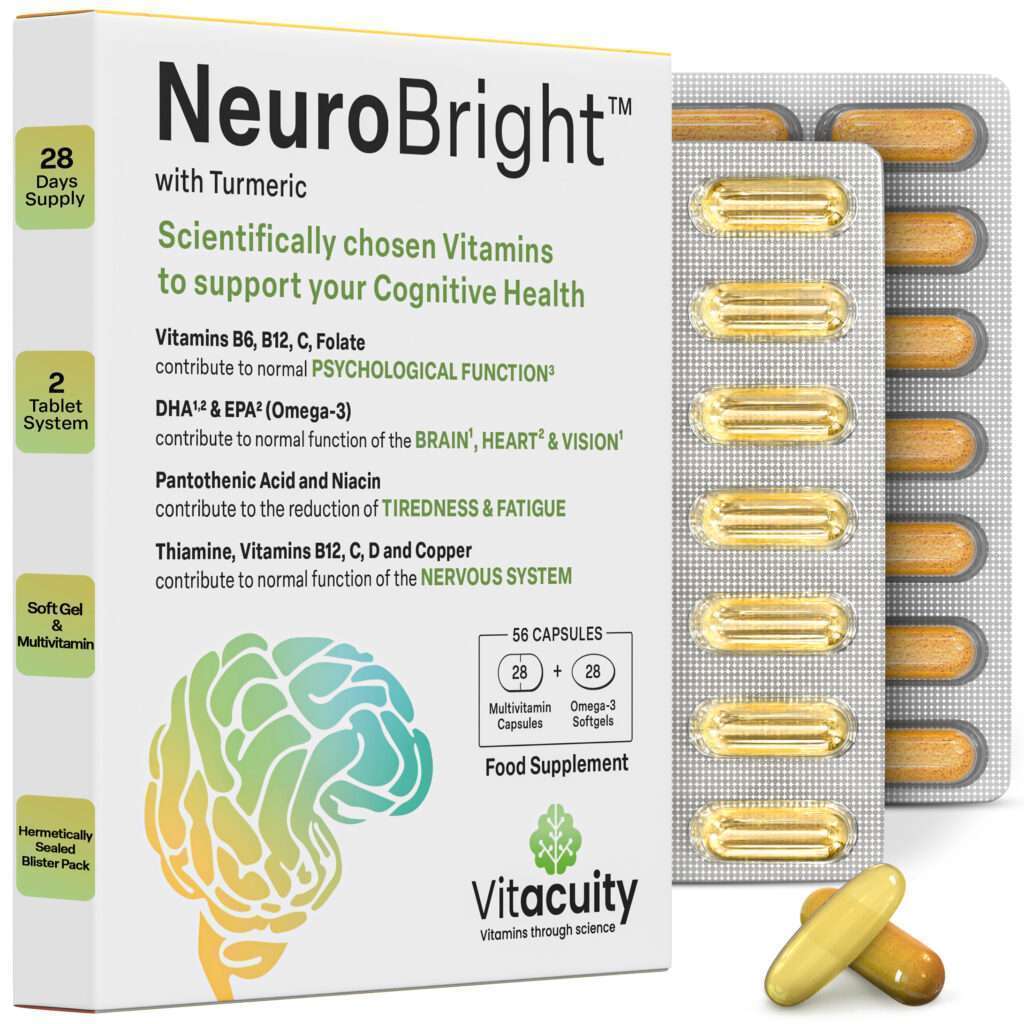
The nutrients that matter, the forms that work, and the claims to ignore.