Creatine And Working Memory — Not Just For The Gym
Quick Read Creatine is known as a muscle supplement, but emerging research suggests it may also boost brain performance. Your
We write a new article on supplements every day , all detailed, with citations.
Once a week we send an email containing a list of the last 7 days articles. Please sign up and also feel free to share the articles with friends and family who you think might benefit.
Simon Parrott – Vitacuity Ltd
NMN is a molecule your body converts into NAD+, a chemical that powers your cells’ energy generators and repairs systems. NAD+ levels drop significantly as you age, which is linked to memory loss and cognitive decline. Multiple animal studies show NMN restores memory, protects brain cells from damage, reduces brain inflammation, and activates longevity-related proteins in the brain.
Human trials confirm NMN safely raises NAD+ levels in the blood at doses of 250 mg daily, with no significant side effects reported. However, large-scale human studies specifically measuring whether NMN actually improves memory or slows cognitive decline have not yet been completed. The biological mechanisms are sound and consistent across multiple studies, but the direct human evidence for brain benefits is still catching up.
If you’re in your 40s or 50s concerned about memory aging, the risk-benefit case is reasonable: NAD+ decline is real and connected to cognitive aging, the safety profile is good at normal doses, and the biological story is credible. But NMN should complement, not replace, other proven brain-health strategies like sleep, exercise, and diet.
Verdict: NMN has a compelling biological story and solid animal evidence for memory protection, but human trials confirming cognitive benefits are still needed.
What if the slow erosion of memory that most of us quietly accept as inevitable, the lost name, the forgotten word, the moment you walk into a room and stand there blankly, wasn’t simply the price of getting older? What if a molecule already present in every cell of your body could be nudged back to younger levels, and in doing so, help protect the brain you depend on every single day?
That’s the question researchers have been asking about NMN, nicotinamide mononucleotide, and the answers are genuinely interesting. Not miracle-cure interesting. Not “throw away your doctor’s number” interesting. But the kind of interesting that makes a well-informed person sit up and pay attention. Vitacuity has reviewed over 1.77 million research papers and pulled the most relevant findings on NMN and memory preservation so you don’t have to. Here’s what the science actually says, honestly, carefully, and without the hype.
To understand why NMN is attracting serious scientific attention, you need to understand one molecule: NAD+. Nicotinamide adenine dinucleotide is a coenzyme found in every living cell, and it does an extraordinary number of jobs. It powers the mitochondria, your cells’ energy generators. It helps repair damaged DNA. It activates a family of proteins called sirtuins, which regulate inflammation, metabolism, and cellular ageing. It’s not an exaggeration to say that without NAD+, your cells simply can’t function properly [2].
Here’s the problem: NAD+ levels decline significantly with age. By the time you’re in your 40s and 50s, your cells have measurably less NAD+ than they did in your 20s. This decline has been linked to mitochondrial dysfunction, increased oxidative stress, poorer DNA repair, and, crucially for anyone concerned about brain health, cognitive decline [11].
NMN is a direct precursor to NAD+. When you take NMN, your body converts it into NAD+, effectively topping up levels that have fallen with age. Think of NAD+ as the power supply for your cells’ most important functions, and NMN as a way of recharging that supply [7]. The question researchers have been asking is: does this recharge actually translate into meaningful protection for the brain? Here’s what they’ve found.
One of the most compelling pieces of animal research comes from a 2025 study published in *Frontiers in Pharmacology* [1]. Researchers created an ageing model by exposing mice to D-galactose, a chemical that accelerates biological ageing and reliably produces neurodegeneration, for eight weeks. They then gave the mice oral NMN supplementation and measured the results.
The findings were striking. NMN restored locomotor activity and spatial memory in the treated mice, assessed using the Morris water maze, a standard test of spatial learning and memory that measures how efficiently an animal can navigate to a hidden platform. Beyond the behavioural outcomes, the researchers found that NMN elevated antioxidant enzymes (SOD and CAT), reduced pro-inflammatory cytokines including TNF-α and IL-6, and significantly reduced apoptosis (cell death) in the cortex and hippocampus, the brain regions most directly implicated in memory.
Critically, the researchers also confirmed that these effects depended on the SIRT1 pathway, a key longevity-associated protein activated by NAD+. When they blocked SIRT1 using an inhibitor called Ex527, NMN’s protective effects were reversed, confirming that the mechanism wasn’t incidental.
Evidence grade: Early stage. This is mouse research, not human clinical trials. The mechanisms are compelling, but we can’t yet say with certainty that these effects will translate directly to humans.
A 2016 study in rats [9] offered another window into NMN’s potential for memory preservation, this time in the context of Alzheimer’s-like pathology. Researchers exposed rats to amyloid-beta oligomers, the sticky protein fragments widely considered the primary toxic agents in Alzheimer’s disease, and then treated them with NMN at a dose of 500 mg/kg delivered directly into the peritoneum.
The results showed sustained improvement in cognitive function on the Morris water maze. In hippocampal slice cultures, NMN attenuated neuronal cell death caused by the amyloid-beta oligomers. It also significantly prevented the inhibition of long-term potentiation (LTP), the cellular mechanism that underlies learning and memory formation. At the molecular level, NMN restored NAD+ and ATP levels and reduced the accumulation of reactive oxygen species (ROS) in the hippocampus.
When the researchers administered a compound that generates non-functional NAD+, all of NMN’s protective effects disappeared, confirming that the benefits were specifically mediated through NAD+ restoration and energy metabolism.
Evidence grade: Early stage. Rat and hippocampal slice culture data. Promising mechanisms, but human Alzheimer’s trials using NMN specifically are not yet available [14].
A 2019 study [10] tested NMN in a different way, in genuinely aged rats (24 months old, which is elderly for a rat), looking at both spatial and episodic-like memory. Researchers gave 100 mg/kg of NMN every other day for 28 doses and assessed performance on the Barnes maze and novel object recognition test.
NMN alone improved both spatial and episodic-like memory compared to untreated aged rats. It also reduced mitochondrial dysfunction, specifically improving ATP production, reducing reactive oxygen species, and stabilising mitochondrial membrane potential in both the prefrontal cortex and hippocampus. Apoptotic cell counts in these brain regions were significantly reduced.
The researchers also tested NMN in combination with melatonin and found that the combination was more potent than either agent alone, an interesting finding for those considering multi-compound approaches to brain health, though this falls outside the scope of today’s focus.
Evidence grade: Early stage. Aged rat data with robust mechanistic outcomes, but not yet translated to human clinical trials for cognitive function specifically.
Here’s where we need to be transparent about the distinction between mechanism and outcome. We have solid human evidence that NMN does what it’s supposed to do at the biological level, it raises NAD+ in the blood, but human trials specifically measuring memory and cognitive outcomes are still catching up.
A 2022 randomised, double-blind, placebo-controlled trial [15] administered 250 mg of NMN daily to healthy older men for 6 or 12 weeks. The results confirmed that NMN supplementation significantly increased NAD+ and NAD+ metabolite concentrations in the blood. There were also nominally significant improvements in gait speed and grip strength in the NMN group, though the researchers were careful to note these need validation in larger studies.
Importantly, NMN was well-tolerated and caused no significant deleterious effects. This safety profile was corroborated by a separate 2022 clinical trial [13] which found oral NMN to be safe and efficient at raising blood NAD+ levels in healthy subjects.
Evidence grade: Promising, for safety and NAD+ elevation in humans. Early stage, for cognitive and memory outcomes in humans specifically.
One of the reasons researchers are genuinely excited about NMN, rather than dismissing it as another wellness trend, is that its mechanism of action is unusually well-understood. Multiple studies [1][7][9][10][12] point to the same converging pathways:
– SIRT1 activation: NMN raises NAD+, which activates SIRT1, a sirtuin protein that regulates inflammation, stress responses, and mitochondrial health. SIRT1 is directly implicated in neuroprotection. – AMPK and PGC-1α activation: Alongside SIRT1, NMN appears to activate AMPK (an energy-sensing enzyme) and PGC-1α (a master regulator of mitochondrial biogenesis), promoting the creation of new, healthier mitochondria in brain cells [1][3]. – Reduced neuroinflammation: Multiple studies show NMN suppresses TNF-α, IL-1β, and IL-6, the inflammatory signals most associated with neuronal damage and cognitive decline [1][7]. – Antioxidant protection: NMN elevates superoxide dismutase (SOD) and catalase (CAT), enzymes that neutralise reactive oxygen species, the cellular equivalent of exhaust fumes, which accumulate with age and damage brain cells [1][9]. – Reduced neuronal apoptosis: NMN consistently reduces programmed cell death in hippocampal and cortical neurons in animal models [1][10].
The convergence of these pathways across multiple independent studies gives the mechanistic picture unusual coherence. When the biology makes sense and the animal data aligns, it strengthens confidence that we’re looking at a real phenomenon, even while we wait for the human clinical data to catch up [2][12].
Evidence grade: Promising, strong mechanistic consistency across multiple animal studies; human biomarker data confirmed.
A 2024 systematic review in the *Journal of Alzheimer’s Disease* [14] examined all available preclinical and clinical evidence for NAD+ precursors, including both NMN and its close relative nicotinamide riboside (NR), as a therapeutic approach to Alzheimer’s disease.
The review found three studies using NMN in preclinical mouse models of Alzheimer’s, all showing benefit. It also found four NR studies in preclinical models, plus two human clinical trials using NR that showed improvements in plasma biomarkers, neuroimaging markers, and cognitive measures. Crucially, no human clinical trials using NMN specifically in Alzheimer’s patients had yet been published at the time of the review.
This tells us something important: the broader NAD+ precursor category has human Alzheimer’s data, but NMN specifically still needs that human trial validation. NR and NMN are similar but not identical; findings from one don’t automatically transfer to the other. The review authors conclude that further clinical studies are required, and that’s an honest assessment.
Evidence grade: Early stage for NMN in human Alzheimer’s specifically. Promising for the broader NAD+ precursor category.
Let’s be genuinely honest here, because that’s what a trusted friend with access to the research would tell you.
The human cognitive data is thin. Almost everything we know about NMN and memory comes from mouse and rat studies. They’re consistent, well-designed, and mechanistically coherent, but animal brains are not human brains. We don’t yet have a large randomised controlled trial showing that NMN supplementation improves memory or slows cognitive decline in middle-aged or older humans over a meaningful period of time [14].
We don’t know the optimal dose for humans. Studies in animals have used doses ranging from 100 mg/kg to 500 mg/kg, which would translate to enormous quantities in humans. The human safety trials used 250 mg/day [15], which raised NAD+ meaningfully, but whether this dose is sufficient to produce the neuroprotective effects seen in animals remains unclear.
We don’t know the long-term effects. The longest human trials published so far ran for 12 weeks [15]. We have no data on what happens to people taking NMN for years, whether benefits compound over time, or whether there are any risks that only emerge with sustained use.
The Alzheimer’s human evidence gap is real. Despite promising animal data [9][14], there are currently no published human clinical trials using NMN specifically for Alzheimer’s disease. The human clinical data that exists for NAD+ precursors in Alzheimer’s uses NR rather than NMN [14].
The NAMPT complexity. A 2021 study [8] offered a genuinely puzzling finding: an inhibitor of NAMPT, the enzyme that makes NMN in the body, also improved cognitive function in aged mice. This appears to contradict the NMN story, and while the researchers offer explanations (different dose levels affecting NAM rather than total NAD+), it adds complexity to the picture that we shouldn’t paper over. The NAD+ pathway is not as simple as “more NMN = more NAD+ = better brain.” Context, dose, and specific molecular targets matter.
So what would a sensible, well-informed person actually do with all of this?
Here’s the honest summary: NMN has a coherent and compelling biological story for brain protection, consistent animal evidence across multiple independent studies, a confirmed ability to raise NAD+ in humans, a good short-term safety profile, and emerging human clinical data. What it doesn’t yet have is a large human randomised controlled trial confirming the cognitive benefits directly.
That’s not unusual for a supplement at this stage of research. It’s where the evidence is, and you deserve to know that clearly.
Here’s what a practical, informed approach looks like:
1. Understand what you’re getting. NMN supplementation will, based on human evidence, raise your NAD+ levels [13][15]. Whether that translates directly into measurable memory protection over years is biologically plausible and animal-supported, but not yet confirmed in large human trials. You are backing a credible scientific horse, not a proven one.
2. Consider NMN as part of a broader brain health strategy, not a standalone solution. The research consistently shows NMN works through anti-inflammatory, antioxidant, and mitochondrial pathways [1][7][10]. These same pathways are also influenced by sleep, exercise, and diet, particularly reducing ultra-processed food and chronic stress. NMN adds to this picture; it doesn’t replace it.
3. The safety profile at normal doses is reassuring. Doses of 250 mg/day in humans have been well-tolerated with no significant adverse effects in controlled trials [13][15]. This is not a supplement with a known toxicity risk at sensible supplementation levels.
4. If you’re in your 40s or 50s and concerned about cognitive ageing, the risk/benefit case is reasonable. NAD+ decline is real, measurable, and associated with the very biological processes that drive cognitive ageing [2][11]. The cost of deficiency is potentially significant; the risk of supplementing at normal doses appears low. That’s a calculation worth taking seriously.
5. Watch this space. Human clinical trials are coming. The mechanistic groundwork is laid. The next few years of NMN research, particularly in human cognitive outcomes, will be genuinely important. Stay curious.
This is not a miracle. It’s a serious molecule with a serious biological story that deserves serious attention, and honest, clear-eyed assessment. That’s exactly what we’ll keep giving you.
[1] NMN reverses D-galactose-induced neurodegeneration and enhances the intestinal barrier of mice by activating the Sirt1 pathway (2025). DOI: 10.3389/fphar.2025.1545585 | https://pubmed.ncbi.nlm.nih.gov/40276601/ | https://www.ncbi.nlm.nih.gov/pmc/articles/PMC12018880/
[2] Biological properties, synthetic pathways and anti-aging mechanisms of nicotinamide mononucleotide (NMN): Research progress and challenges (2025). DOI: 10.1007/s10522-025-10270-7 | https://pubmed.ncbi.nlm.nih.gov/40550930/
[3] Long-Term Administration of Nicotinamide Mononucleotide Mitigates High-Fat-Diet-Induced Physiological Decline in Aging Mice (2025). DOI: 10.1016/j.tjnut.2024.10.017 | https://pubmed.ncbi.nlm.nih.gov/39424071/
[7] Research progress on anti-aging effects of β-nicotinamide mononucleotide (NMN) (2024). https://pubmed.ncbi.nlm.nih.gov/39780578/
[8] Nicotinamide phosphoribosyltransferase inhibitor ameliorates mouse aging-induced cognitive impairment (2021). DOI: 10.1177/0271678X211006291 | https://pubmed.ncbi.nlm.nih.gov/33818184/ | https://www.ncbi.nlm.nih.gov/pmc/articles/PMC8504953/
[9] Nicotinamide mononucleotide protects against β-amyloid oligomer-induced cognitive impairment and neuronal death (2016). https://pubmed.ncbi.nlm.nih.gov/27130898/
[10] Nicotinamide Mononucleotide and Melatonin Alleviate Aging-induced Cognitive Impairment via Modulation of Mitochondrial Function and Apoptosis in the Prefrontal Cortex and Hippocampus (2019). DOI: 10.1016/j.neuroscience.2019.09.037 | https://pubmed.ncbi.nlm.nih.gov/31678348/
[11] Nicotinamide mononucleotide (NMN) as an anti-aging health product, Promises and safety concerns (2022). DOI: 10.1016/j.jare.2021.08.003 | https://pubmed.ncbi.nlm.nih.gov/35499054/ | https://www.ncbi.nlm.nih.gov/pmc/articles/PMC9039735/
[12] Biological properties, synthetic pathways and anti-aging mechanisms of nicotinamide mononucleotide (NMN): Research progress and challenges (2025). DOI: 10.1007/s10522-025-10270-7 | https://pubmed.ncbi.nlm.nih.gov/40550930/
[13] Oral Administration of Nicotinamide Mononucleotide Is Safe and Efficiently Increases Blood Nicotinamide Adenine Dinucleotide Levels in Healthy Subjects (2022). DOI: 10.3389/fnut.2022.868640 | https://pubmed.ncbi.nlm.nih.gov/35479740/ | https://www.ncbi.nlm.nih.gov/pmc/articles/PMC9036060/
[14] Supplementation with NAD+ Precursors for Treating Alzheimer’s Disease: A Metabolic Approach (2024). DOI: 10.3233/JAD-231277 | https://pubmed.ncbi.nlm.nih.gov/39422945/
[15] Chronic nicotinamide mononucleotide supplementation elevates blood nicotinamide adenine dinucleotide levels and alters muscle function in healthy older men (2022). https://pubmed.ncbi.nlm.nih.gov/35927255/
This article is for informational purposes only and does not constitute medical advice. Food supplements should not be used as a substitute for a varied and balanced diet and healthy lifestyle. If you are pregnant, breastfeeding, taking medication or have a medical condition, consult your doctor before taking any supplement. These statements have not been evaluated by the Food and Drug Administration (FDA) or the Medicines and Healthcare products Regulatory Agency (MHRA). This product is not intended to diagnose, treat, cure, or prevent any disease.
Quick Read Creatine is known as a muscle supplement, but emerging research suggests it may also boost brain performance. Your
Quick Read Struggling to find the right word after 40 is completely normal and affects most people. Your brain retrieves
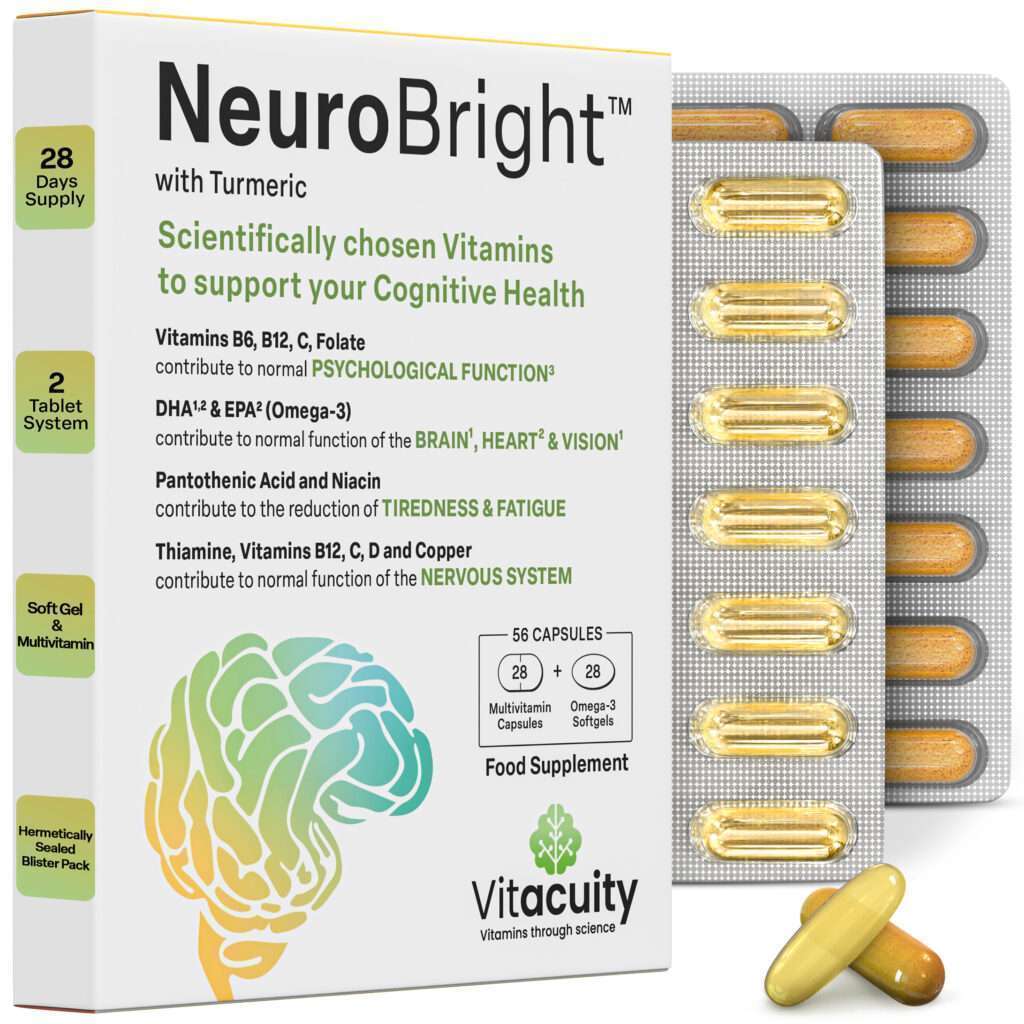
Free guide: The research behind brain health supplements
Plus our weekly research digest — straight to your inbox.
Just leave your email address.