Creatine And Working Memory — Not Just For The Gym
Quick Read Creatine is known as a muscle supplement, but emerging research suggests it may also boost brain performance. Your
We write a new article on supplements every day , all detailed, with citations.
Once a week we send an email containing a list of the last 7 days articles. Please sign up and also feel free to share the articles with friends and family who you think might benefit.
Simon Parrott – Vitacuity Ltd
After age 50, your digestive system absorbs nutrients less efficiently. Stomach acid drops, making it harder to extract certain vitamins from food. Your gut lining becomes less effective at moving nutrients into the bloodstream, and fewer nutrients reach your brain even when you eat well. Your brain relies heavily on these nutrients to produce neurotransmitters, power energy, defend against damage, and form new connections.
B vitamins (B12, B9, and B6) are the most strongly supported nutrients for brain health after 50. They control a process called methylation that keeps your brain functioning and prevents a toxic compound called homocysteine from building up. Vitamin D supplementation also shows consistent promise for reducing cognitive decline in older adults. Omega-3 fatty acids help build brain cell structures, and lutein and zeaxanthin accumulate in brain tissue and link to better memory and thinking skills in studies.
The research is encouraging but not definitive. Most studies show modest rather than dramatic effects, and results vary between individuals. However, B vitamins and vitamin D are safe to supplement daily without testing, while omega-3s and lutein offer additional support with low risk. The nutritional choices you make now may predict your brain health years later.
Verdict: After 50, age-related absorption problems mean you likely need deliberate supplementation of B vitamins and vitamin D to protect your brain, with emerging support for omega-3s and lutein.
Here’s a question worth sitting with for a moment: what if you’re eating roughly the right foods, taking a reasonable supplement or two, and still falling short, not because of what you’re consuming, but because of what your body can no longer absorb? After 50, the nutritional goalposts shift in ways that most of us simply aren’t told about. We assume that if we’re eating well, our brains are getting what they need. But ageing quietly changes the rules, altering how efficiently we extract nutrients from food, reducing the stomach acid needed to free certain vitamins from their food-bound forms, and subtly eroding the gut lining that ferries nutrients into the bloodstream. The result? Your brain may be running short even when your plate looks perfectly healthy. Vitacuity has reviewed over 1.77 million research papers and selected the most relevant findings on this topic. What they show is both sobering and, ultimately, actionable.
To understand why nutrient absorption declines with age, it helps to think of your digestive system as a complex extraction machine, one that gradually becomes less efficient over the decades. Several things happen simultaneously. Stomach acid production often decreases with age, which matters enormously because certain nutrients, vitamin B12 in particular, are bound to proteins in food and need acid to break free before they can be absorbed. Even if your B12 intake looks adequate on paper, a significant portion may simply pass through unabsorbed [14].
Meanwhile, the cells lining the gut that actively transport nutrients into the bloodstream can become less efficient. Fat-soluble nutrients like vitamin D depend on bile acids and digestive enzymes that also reduce in activity over time. And critically, the brain itself has its own gatekeeping system, the blood-brain barrier, which becomes less permeable with age, meaning fewer nutrients reach the neurons that need them [1].
This matters because the brain is metabolically one of the most demanding organs in the body. It relies on an unbroken supply of micronutrients to power energy metabolism, synthesise neurotransmitters like dopamine and serotonin, mount antioxidant defences against the oxidative stress that accumulates with age, and maintain the intricate process of neuroplasticity, the brain’s ability to form new connections and repair itself [1]. When the supply chain falters, these processes slow down. And the consequences, as decades of research now show, are measurable.
If there is one nutrient cluster with the most consistent evidence for brain protection after 50, it is the B vitamins, specifically B12, folate (B9), and B6. Their importance runs through a biochemical pathway called one-carbon metabolism, which sounds technical but is worth understanding in plain terms [2].
Every cell in your body needs to make, repair, and regulate DNA. It also needs to produce neurotransmitters and maintain the protective myelin sheaths around nerve fibres. All of this depends on a process called methylation, essentially, the transfer of tiny chemical groups that switch biological processes on and off. B12, folate, and B6 are the key drivers of this process. When any one of them is deficient, methylation falters, and a toxic compound called homocysteine builds up in the blood [14].
Elevated homocysteine is now recognised as both neurotoxic and vasotoxic, it damages brain tissue directly and impairs blood vessels, restricting the supply of oxygen and nutrients to neurons [14]. In older adults, inadequate B vitamin status and elevated homocysteine are common, and both have been linked to cognitive impairment and increased dementia risk [14].
A 2023 review published in *Nutrients* examined the clinical evidence on B vitamin supplementation and brain health specifically in the context of ageing. It found that dietary supplementation with folic acid, vitamin B12, and choline, all one-carbon metabolism components, had positive effects on both normal brain function and neurological disease [2]. Importantly, however, the review noted a significant nuance: in some studies, vitamin B supplementation showed positive effects only in people who were not taking aspirin and who already had high omega-3 fatty acid levels [3]. This is a reminder that nutrients rarely work in isolation, they operate as part of an interconnected system.
Evidence grade: Promising to strong, multiple reviews and clinical studies support the role of B vitamins in brain ageing, though optimal dosing and interaction effects still need further research.
Of all the nutrients affected by age-related absorption decline, vitamin B12 is perhaps the most dramatic example. It is found almost exclusively in animal-source foods, meat, fish, eggs, dairy, but the form found in food is tightly bound to proteins. Releasing it requires adequate stomach acid. As gastric acid production declines with age, this release becomes increasingly incomplete. Even people eating plenty of B12-rich foods can therefore become functionally deficient [14].
The neurological consequences are well-documented. B12 deficiency is associated with cognitive decline, memory loss, dementia-like symptoms, and damage to the peripheral nervous system [1, 14]. A 2020 review in *Cureus* highlighted B12 alongside riboflavin, vitamin E, omega-3 fatty acids, and flavonoids as key nutrients for maintaining healthy brain ageing and strengthening neuroprotection [6].
The 2010 study published in the *Journal of Nutrition, Health and Aging* is particularly telling here. Researchers gave community-dwelling adults without dementia a nutritional formulation containing folic acid, B12, vitamin E, and several other compounds. Participants receiving the formulation improved significantly on memory and cognitive performance tests, including the California Verbal Learning Test and the Trail-Making Test. Notably, however, improvement was lower in participants aged 74 and above, a finding the researchers attributed specifically to “age-related difficulties in absorption and/or basal nutritional deficiencies” [10]. In other words, the older you are, the more aggressively absorption problems may undermine even a sensible supplementation strategy.
Evidence grade: Promising, consistent findings across multiple studies, though most individual trials have modest sample sizes.
Vitamin D is not traditionally thought of as a brain nutrient, but that view is increasingly outdated. Vitamin D receptors are found throughout the brain, and the evidence linking adequate vitamin D status to cognitive function has strengthened considerably [3].
A 2024 systematic review in *Nutrients*, covering 33 primary studies of adults aged 65 and over, found that vitamin D supplementation was among those most likely to reduce cognitive decline, dementia, and Alzheimer’s disease compared to several other vitamins tested [3]. This is a meaningful finding, and it sits alongside what we know about vitamin D deficiency in older adults: absorption from sunlight declines with age as the skin becomes less efficient at converting UV light to vitamin D3; dietary sources are limited; and many people in northern latitudes spend insufficient time outdoors, particularly in winter.
The convergence of reduced synthesis, reduced dietary intake, and reduced gut absorption efficiency makes vitamin D one of the most common deficiencies in the over-50 population [3, 6].
Evidence grade: Promising, the systematic review included 33 studies and found consistent directional evidence, though study heterogeneity remains a challenge for drawing firm conclusions.
The brain is approximately 60% fat by dry weight, and the omega-3 fatty acid DHA (docosahexaenoic acid) is a major structural component of neuronal membranes. As we age, the ability to convert plant-based omega-3s (ALA from foods like flaxseed) into the DHA the brain actually uses becomes less efficient, making dietary or supplemental DHA increasingly important [6, 9].
A 2018 review in *Proceedings of the Nutrition Society*, examining diet and the ageing brain, identified omega-3 PUFAs (polyunsaturated fatty acids) as having emerging evidence for a protective role, alongside B vitamins, vitamin D, and polyphenols [9]. The 2024 systematic review similarly found that PUFAs were among the supplements most likely to reduce cognitive decline in older adults [3].
However, it is important to be honest about what the research also shows. A six-month randomised controlled trial involving 86 healthy older adults aged 50-70, published in 2016, found no significant effect of DHA supplementation (alone or in combination with ginkgo biloba, phosphatidylserine, and B vitamins) on cerebral blood flow or cognitive performance [7]. The authors acknowledged the study had limitations, but this is a useful reminder that the evidence is not uniformly positive, and that results may vary depending on dosage, baseline omega-3 status, and the specific cognitive measures used.
The 2024 systematic review offered a useful nuance: B vitamin supplementation appeared to show positive cognitive effects specifically in people with high omega-3 levels [3]. This suggests these nutrients may be synergistic, omega-3s and B vitamins working together rather than independently.
Evidence grade: Promising, directional evidence is consistent across multiple reviews, but individual trials have produced mixed results. The combination with B vitamins looks particularly interesting.
Most people know lutein as an eye nutrient, it accumulates in the macula of the eye and is associated with protection against age-related macular degeneration. But what fewer people know is that lutein and zeaxanthin also cross the blood-brain barrier and preferentially accumulate in brain tissue [15].
A 2012 review in the *American Journal of Clinical Nutrition* brought together several important observations. Post-mortem studies of centenarians found that zeaxanthin concentrations in brain tissue were significantly related to measures of global cognitive function, memory retention, verbal fluency, and dementia severity taken during their lifetimes [15]. Lutein concentrations in the brain were found to be significantly lower in individuals with mild cognitive impairment than in those with normal cognitive function [15].
Crucially, a four-month double-blind, placebo-controlled trial found that supplementation with lutein (12mg/day), alone or in combination with DHA (800mg/day), improved verbal fluency in older women. Memory scores and rate of learning improved significantly in the combined-treatment group, who also showed a trend toward more efficient learning [15].
These are striking findings, and they point to a nutrient that is largely absent from most conversations about brain health after 50. Lutein is found primarily in dark leafy greens and egg yolks, foods that many people eat in insufficient quantities.
Evidence grade: Promising, epidemiological data is consistent and mechanistically plausible; the RCT evidence is limited but directionally positive.
One of the most overlooked aspects of nutrition and brain health is the time dimension. It is not just about what you eat or supplement today, it is about the cumulative nutritional history your brain has experienced over decades.
A 1997 longitudinal study published in the *American Journal of Clinical Nutrition* followed 137 elderly community residents (aged 66-90) over six years and found that cognitive performance in 1986 was related to nutritional status measured six years earlier, in 1980 [13]. Better cognitive scores were associated with higher past intakes of vitamins E, A, B6, and B12. The study also found that people who used self-selected vitamin supplements performed better on demanding visuospatial and abstraction tests [13].
This matters because it shifts the frame of reference. Supplementation is not just a short-term intervention, it is part of a long-term investment in cognitive resilience. And it underscores why starting sooner rather than later is the more sensible approach.
Evidence grade: Promising, single longitudinal study with a relatively small sample (n=137), but the six-year time span and consistent directional findings are meaningful.
Honesty is part of how we think at Vitacuity, and the research on nutrition and brain health after 50, while genuinely encouraging, has real limitations worth understanding.
The heterogeneity problem. Across the studies reviewed, there is substantial variation in doses, nutrient combinations, participant ages, baseline nutritional status, and the cognitive tests used. This makes direct comparison difficult and means that a result in one study may not replicate in another [3]. A finding that B vitamins help with cognitive decline in people with high omega-3 levels, for instance, may not apply to people with low omega-3 status.
The absorption complexity. While the research consistently acknowledges that absorption declines with age, very few studies have directly measured how absorption differences affect outcomes. We know the problem exists; we know far less about how to precisely calibrate supplementation in response to it [10, 14].
Individual variation. Several studies have noted genotypic differences in response to supplementation, some people respond strongly to B vitamin supplementation, others do not, potentially based on genetic variants affecting methylation pathways [3]. We are still early in understanding how to account for this.
The null results. The 2016 DHA trial, six months, 86 participants, found no effect on cognition or cerebral blood flow [7]. Older research from 1998 noted that the effects of nutritional supplements on cognitive function are “modest” and comparable to those of cognition-enhancing drugs rather than dramatic [11]. The honest picture is one of small-to-moderate effects, not dramatic transformation.
Over-supplementation risks. The 2023 review on one-carbon metabolism specifically flagged the importance of “avoiding over-supplementation”, while most of the nutrients discussed are safe at normal doses, precision matters, particularly as research increasingly shows that very high levels of some nutrients may not be beneficial and in rare cases can cause harm [2].
Here is what a sensible, informed person in their 50s or 60s should actually take from all of this.
First, understand the landscape. After 50, your body is likely absorbing nutrients less efficiently than it used to, and your brain’s nutritional requirements remain high. The gap between what you consume and what your brain receives is real, and it widens with each decade [1, 10, 14].
B vitamins, supplement daily, without hesitation. B12, folate, and B6 are water-soluble vitamins, meaning excess is excreted in urine rather than accumulating to toxic levels. The risk of deficiency, particularly B12 deficiency driven by reduced stomach acid, is well-documented and the neurological consequences are serious [14]. Supplementing a good B-complex daily is safe, cheap, and the practical default for anyone over 50. Getting tested first is useful if possible, but it is not a reason to delay supplementing.
Vitamin D, supplement confidently, especially in autumn and winter. The risk of vitamin D deficiency in the UK and other northern latitudes is very real, absorption from sunlight declines with age, and the evidence linking vitamin D status to cognitive health is increasingly consistent [3]. A daily supplement of 1,000-2,000 IU is sensible and safe. Toxicity requires sustained mega-doses far beyond this range.
Omega-3s, prioritise DHA-rich sources. If you eat oily fish two to three times per week, your omega-3 status may be adequate. If not, a daily fish oil or algae-based DHA supplement is a reasonable step. The evidence for brain benefits is not as clean-cut as for B vitamins, but the directional evidence is consistent, and the combination with B vitamins appears to matter [3, 6, 9].
Lutein and zeaxanthin, worth considering. Dark leafy greens like kale and spinach, and egg yolks, are your best dietary sources. If your diet is low in these foods, a supplement providing lutein (around 10-12mg daily) is low-risk and supported by mechanistically plausible evidence [15].
Think long term. The 1997 longitudinal study showed that the nutritional choices made years earlier predicted cognitive performance in later life [13]. The best time to start optimising is now, not when symptoms appear.
One practical note on cost and testing. Blood tests for B12 and vitamin D are available through your GP or privately. If access is straightforward, testing gives you useful information. But if testing feels like a barrier, and for many people it is, the risk of common deficiencies almost always outweighs the risk of supplementing B vitamins and vitamin D at normal doses. Don’t let the perfect be the enemy of the good.
Your brain built everything you are. After 50, it deserves a more deliberate supply chain.
[1] Unveiling the mechanistic nexus: how micronutrient enrichment shapes brain function, and cognitive health (2025). DOI: 10.3389/fmolb.2025.1623547 | https://pubmed.ncbi.nlm.nih.gov/41064635/ | https://www.ncbi.nlm.nih.gov/pmc/articles/PMC12500463/
[2] The Role of One-Carbon Metabolism in Healthy Brain Aging (2023). DOI: 10.3390/nu15183891 | https://pubmed.ncbi.nlm.nih.gov/37764675/ | https://www.ncbi.nlm.nih.gov/pmc/articles/PMC10537016/
[3] Supplementation and Mitigating Cognitive Decline in Older Adults With or Without Mild Cognitive Impairment or Dementia: A Systematic Review (2024). DOI: 10.3390/nu16203567 | https://pubmed.ncbi.nlm.nih.gov/39458561/ | https://www.ncbi.nlm.nih.gov/pmc/articles/PMC11509913/
[4] Response to Letters to the Editor Received on Creatine and Cognition in Aging: A Systematic Review of Evidence in Older Adults (2025). DOI: 10.1093/nutrit/nuaf261 | https://pubmed.ncbi.nlm.nih.gov/41405448/
[5] Cognitive Decline and Vitamins (2025). https://pubmed.ncbi.nlm.nih.gov/39958203/
[6] Can Nutritional Adequacy Help Evade Neurodegeneration in Older Age? A Review (2020). DOI: 10.7759/cureus.10921 | https://pubmed.ncbi.nlm.nih.gov/33062461/ | https://www.ncbi.nlm.nih.gov/pmc/articles/PMC7556684/
[7] DHA Supplementation Alone or in Combination with Other Nutrients Does not Modulate Cerebral Hemodynamics or Cognitive Function in Healthy Older Adults (2016). https://pubmed.ncbi.nlm.nih.gov/26867200/
[8] Dietary Supplement Ingredients for Optimizing Cognitive Performance Among Healthy Adults: A Systematic Review (2021). DOI: 10.1089/acm.2021.0135 | https://pubmed.ncbi.nlm.nih.gov/34370563/
[9] Diet, nutrition and the ageing brain: current evidence and new directions (2018). https://pubmed.ncbi.nlm.nih.gov/29316987/
[10] A vitamin/nutriceutical formulation improves memory and cognitive performance in community-dwelling adults without dementia (2010). DOI: 10.1007/s12603-010-0054-5 | https://pubmed.ncbi.nlm.nih.gov/20191258/
[11] Nutrients, age and cognitive function (1998). DOI: 10.1097/00075197-199811000-00017 | https://pubmed.ncbi.nlm.nih.gov/10565413/
[12] Dietary supplements in neurological diseases and brain aging (2022). https://pubmed.ncbi.nlm.nih.gov/36479494/
[13] Nutritional status and cognitive functioning in a normally aging sample: a 6-y reassessment (1997). https://pubmed.ncbi.nlm.nih.gov/8988908/
[14] B vitamins and the aging brain (2010). https://pubmed.ncbi.nlm.nih.gov/21091944/
[15] A possible role for lutein and zeaxanthin in cognitive function in the elderly (2012). https://pubmed.ncbi.nlm.nih.gov/23053547/
This article is for informational purposes only and does not constitute medical advice. Food supplements should not be used as a substitute for a varied and balanced diet and healthy lifestyle. If you are pregnant, breastfeeding, taking medication or have a medical condition, consult your doctor before taking any supplement. These statements have not been evaluated by the Food and Drug Administration (FDA) or the Medicines and Healthcare products Regulatory Agency (MHRA). This product is not intended to diagnose, treat, cure, or prevent any disease.
Quick Read Creatine is known as a muscle supplement, but emerging research suggests it may also boost brain performance. Your
Quick Read Struggling to find the right word after 40 is completely normal and affects most people. Your brain retrieves
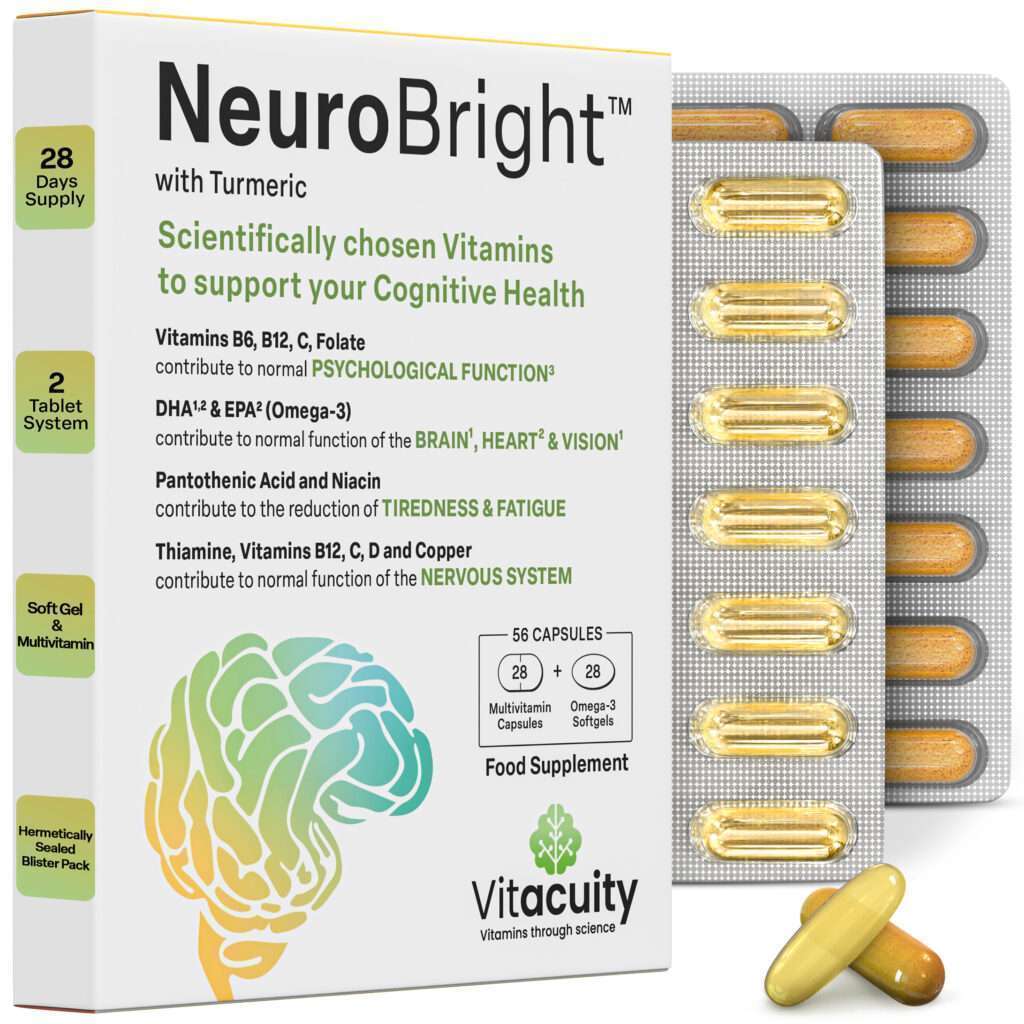
Free guide: The research behind brain health supplements
Plus our weekly research digest — straight to your inbox.
Just leave your email address.