Cold Exposure And Brain Health — What Ice Baths Actually Do To Your Neurons
Quick Read Cold exposure, particularly ice baths, activates a biological stress response called hormesis, where controlled stress triggers the body
We write a new article on supplements every day , all detailed, with citations.
Once a week we send an email containing a list of the last 7 days articles. Please sign up and also feel free to share the articles with friends and family who you think might benefit.
Simon Parrott – Vitacuity Ltd
L-arginine is an amino acid your body uses to produce nitric oxide, a gas that helps relax your blood vessels and improve blood flow. This matters because better blood vessel function supports cardiovascular health, especially for people over 40 with high blood pressure or other heart disease risk factors. Research shows that L-arginine supplementation can meaningfully reduce blood pressure and improve blood vessel function in people with existing vascular problems.
However, when you swallow L-arginine, much of it is broken down before reaching your bloodstream. A related compound called L-citrulline bypasses this problem, making it more effective. Studies show that combining L-citrulline with L-arginine produces larger blood pressure reductions (up to 10 mmHg systolic) than either alone. These benefits are most clear in people with cardiovascular risk factors, while healthy young people showed little performance benefit in testing.
The research also suggests that L-arginine works better alongside good antioxidant nutrition, including vitamin C and folate. One striking study in people recovering from long COVID found that L-arginine plus vitamin C improved walking distance, strength, and reduced fatigue compared to placebo. However, most human trials have been relatively short, and very high doses haven’t been thoroughly studied long-term.
Verdict: L-arginine and L-citrulline supplementation, particularly when combined, appears genuinely useful for blood vessel health and blood pressure management in middle-aged and older adults with cardiovascular risk factors, but offers little benefit for healthy people and should not be used as a substitute for medical advice.
What if one of the most important molecules for your cardiovascular health isn’t something you swallow directly, but something your body makes from an amino acid you might never have heard of? Most people, when they think about heart health, think about cholesterol. Or blood pressure medication. Or cutting back on salt. But researchers have spent decades investigating a different pathway entirely: the extraordinary role of nitric oxide, a gas your blood vessel walls produce, and its relationship with an amino acid called L-arginine. The story is more nuanced, more fascinating, and more practically useful than most health headlines suggest. Let’s go through what the science actually shows.
To understand L-arginine, you first need to understand nitric oxide (NO), and specifically, why it matters so much to anyone over 40.
Nitric oxide is a tiny gaseous molecule produced by the cells lining your blood vessels (called endothelial cells). When it’s released, it crosses into the smooth muscle surrounding your arteries and tells those muscles to relax. When those muscles relax, your arteries widen, a process called vasodilation. More room in the pipe means lower pressure and better blood flow to every organ in your body, including your brain, your heart, and your muscles [7].
But nitric oxide does far more than just relax blood vessels. It acts as a neurotransmitter, a regulator of nutrient metabolism, and a frontline defender against certain bacteria, fungi, and viruses [7]. It also plays a role in preventing the kind of blood clot formation (thrombosis) that underlies heart attacks and strokes [4].
Here’s where L-arginine enters the picture. Your body produces nitric oxide using an enzyme called nitric oxide synthase (NOS). And nitric oxide synthase needs a raw material to work with: L-arginine. This amino acid is, in technical terms, the principal substrate, the essential ingredient, for the whole reaction [6]. Without adequate L-arginine, your endothelial cells can’t produce enough NO. And when NO production drops, the consequences are significant: reduced vasodilation, increased arterial stiffness, greater risk of hypertension, and accelerated progression of atherosclerosis [1][4].
The body does synthesise L-arginine internally, converted from glutamine, glutamate, and proline, but research suggests that in many adults, this internal production isn’t sufficient to maintain optimal NO levels [7]. Which is exactly why dietary intake and supplementation have attracted so much scientific attention.
Vitacuity has reviewed over 1.77 million research papers to bring you the most relevant findings on this topic. Here’s what the evidence actually shows.
Evidence grade: Promising to Strong (for blood pressure and endothelial function in people with existing risk factors)
The cardiovascular effects of L-arginine and its relationship to nitric oxide have been studied for decades. One of the most comprehensive reviews of the underlying mechanisms was published in the *Journal of Nutrition* in 2004, which concluded that both acute and chronic supplementation with L-arginine enhances endothelial nitric oxide production and improves endothelial function, particularly in people with existing atherothrombotic disease [6].
The mechanisms identified are worth understanding, because they’re surprisingly varied. L-arginine doesn’t just provide raw material for NO production, it also competes with asymmetric dimethylarginine (ADMA), a naturally occurring inhibitor of nitric oxide synthase that tends to accumulate in people with cardiovascular risk factors. By crowding out this inhibitor, supplemental L-arginine can help restore NO production even when the enzyme itself is under pressure [6]. Additionally, L-arginine has demonstrated direct antioxidant activity, can stimulate vasodilatory histamine release, and has been associated with reduced activity of norepinephrine (a vasoconstrictor), all of which contribute to better vascular tone [6].
A detailed 2021 review in the scientific literature reinforced this picture, noting that oral administration of L-arginine within the physiological range can increase NO synthesis and improve blood flow to skeletal muscle and other tissues, with documented benefits for people with hypertension, metabolic syndrome, and endothelial dysfunction [7].
Evidence grade: Strong (for combined L-citrulline + L-arginine supplementation in middle-aged and older adults)
This is where the science gets particularly interesting, and where a twist in the story changes what you should actually consider taking.
A 2025 systematic review and meta-analysis, published in *Clinical Nutrition ESPEN*, analysed 15 randomised controlled trials involving 415 participants, specifically looking at the effects of L-citrulline supplementation and watermelon intake on blood pressure in middle-aged and older adults [2]. The results were clinically meaningful: L-citrulline supplementation reduced systolic blood pressure by an average of 4.02 mmHg and diastolic blood pressure by 2.54 mmHg [2].
But the headline finding from the subgroup analysis is striking: when L-citrulline and L-arginine were combined, the reductions were dramatically larger, systolic blood pressure fell by 10.44 mmHg and diastolic by 4.86 mmHg [2]. To put that in context, a 10 mmHg reduction in systolic blood pressure is clinically significant, it’s the kind of reduction that can meaningfully reduce cardiovascular risk. And this was achieved through nutritional supplementation alone.
Why is L-citrulline so important here? The answer lies in how the body processes L-arginine when you swallow it. A significant portion of oral L-arginine is broken down in the gut and liver before it ever reaches your bloodstream, meaning what you take doesn’t necessarily translate into what circulates. L-citrulline, by contrast, bypasses this first-pass metabolism entirely. It travels to the kidneys, where it is converted into L-arginine, which then becomes available for NO synthesis [1][8]. This makes L-citrulline a more efficient route to raising circulating L-arginine levels, and explains why the combination of both amino acids appears to outperform either alone [2].
Evidence grade: Promising (small RCT, specific population, but striking results)
One of the more remarkable recent studies on L-arginine involved people recovering from long COVID, a condition associated with persistent fatigue, reduced physical capacity, and measurable endothelial dysfunction.
A single-blind randomised controlled trial, published in *Nutrients* in 2022, enrolled 50 adults aged 20–60 with long COVID who were experiencing persistent fatigue [11]. Participants received either a combination of 1.66g of L-arginine plus 500mg of liposomal vitamin C twice daily, or a placebo, for 28 days.
The results were striking. At the end of the 28 days, the L-arginine and vitamin C group had walked significantly further on the 6-minute walk test (a standard measure of functional capacity) than the placebo group, with a median improvement of 30 metres versus no change in the placebo group [11]. Handgrip strength improved more in the active group (+3.4 kg vs +1 kg for placebo). Flow-mediated dilation, a direct measure of endothelial function, was 14.3% in the active group versus 9.4% in the placebo group [11]. And perhaps most dramatically: at the end of 28 days, only 2 participants in the active group (8.7%) still reported fatigue, compared with 21 out of 23 in the placebo group (80.1%) [11].
It’s important to be clear about the limitations: this was a small trial (23 per group), single-blind, and conducted in a specific population with a specific condition. But the consistency of findings across multiple outcome measures, physical performance, strength, vascular function, and fatigue, is genuinely noteworthy.
Evidence grade: Promising (largely experimental and narrative review data, with human relevance)
Beyond blood pressure and vasodilation, L-arginine has been studied for its role in protecting endothelial cells from oxidative damage. A 2025 narrative review focused on the physiological challenges faced by blood donors, a group who experience repeated oxidative stress through repeated blood loss, found that L-arginine supplementation appeared to enhance mitochondrial function, reduce lipid peroxidation (a marker of oxidative damage to cell membranes), and improve vascular elasticity [4].
The mechanisms identified align with what we know about NO more broadly: when NO bioavailability drops, whether through arginine deficiency, competitive inhibition by ADMA, or oxidative destruction of the enzyme cofactors, the endothelium becomes vulnerable to damage and dysfunction [4][6][12].
A 2004 paper in *Medical Hypotheses* explored how L-arginine can work synergistically with other nutrients, particularly high-dose folate, to restore endothelial function in conditions of oxidative stress [12]. The reasoning is mechanistically sound: oxidative stress depletes the cofactor tetrahydrobiopterin (BH4), which NO synthase needs to function properly. When BH4 is depleted, the enzyme can become “uncoupled”, instead of producing NO, it starts generating superoxide (a damaging free radical). L-arginine helps maintain enzyme function; folate may help restore the cofactor pool. Together, they may be more effective than either alone [12].
Evidence grade: Conflicted (animal models show promise; human RCTs in healthy people show limited effect)
Here is where intellectual honesty is essential, because the supplement industry has long promoted L-arginine as an ergogenic (performance-enhancing) ingredient, and the human trial evidence in healthy individuals is considerably more modest than the marketing suggests.
A 2026 randomised, double-blind, crossover trial published in the *International Journal of Sport Nutrition and Exercise Metabolism* tested L-arginine at doses of 3.2–9.6g per day for four days in 16 recreationally trained young men [3]. The outcome? No significant improvements in muscular endurance, total repetitions performed, or plasma nitric oxide concentrations compared to placebo. A small, transient increase in brachial artery diameter was observed one minute after exercise in the arginine condition, but it didn’t translate into meaningful performance differences [3].
This is consistent with what research suggests about healthy, well-nourished individuals: if your arginine-to-ADMA ratio is already fine and your endothelial function is healthy, there may simply be less room for supplementation to make a measurable difference.
Animal studies tell a different story, but it’s important to remember they’re animal studies. Research in mice using L-arginine at 300–1,200 mg/kg/day for 28 days found improvements in treadmill time-to-exhaustion at the highest dose, reductions in muscle damage markers, better blood glucose regulation, and improved antioxidant enzyme activity [5]. Separately, a mouse study combining L-arginine with L-glutamine, vitamin C, vitamin E, folic acid, and green tea extract found significant increases in serum NO content and improvements in swimming endurance [14]. These are intriguing mechanistic findings, but mice are not humans, and the translation to real-world exercise performance remains to be properly established in well-powered human trials.
The practical implication: the evidence for L-arginine’s cardiovascular and endothelial benefits in people who have compromised vascular function, those with hypertension, atherosclerosis risk factors, or endothelial dysfunction, is considerably stronger than the evidence for performance benefits in healthy, fit individuals [6][7].
Evidence grade: Promising (mechanistically strong; clinical trial data limited but directionally consistent)
Nitric oxide has particular relevance for several aspects of men’s health, and this is an area where the mechanistic understanding is well-established even if the clinical trial data is still developing.
A 2009 review examined the role of L-arginine and NO metabolism in male health specifically, highlighting its relevance to atherogenesis (arterial plaque formation), erectile dysfunction, lower urinary tract symptoms, and male fertility [9]. The connection to erectile dysfunction is particularly well-supported mechanistically: penile erection depends on smooth muscle relaxation in the corpus cavernosum of the penis, which is directly mediated by nitric oxide. When NO production is compromised, which it often is in men with cardiovascular risk factors, erectile function is frequently affected [9].
A 2021 review reinforced this, noting documented benefits of L-arginine supplementation for erectile dysfunction and spermatogenesis in the scientific literature, attributed to its role in increasing NO-mediated blood flow [7].
The L-arginine and nitric oxide story is compelling, but it has genuine gaps, and it would be dishonest not to name them clearly.
The bioavailability problem remains partially unsolved. We know that oral L-arginine is significantly metabolised before it reaches systemic circulation. But the exact degree of this varies between individuals, and the optimal dose and form for different populations hasn’t been definitively established. A rat study using high-dose L-arginine (1,000 mg/kg/day) for 16 weeks found complex and sometimes unexpected effects on arginine-metabolising enzymes, including increases in polyamine levels and reduced arginase activity, that differed from lower-dose, shorter-duration findings [15]. This tells us that the body’s response to arginine supplementation is not linear or simple, and that dose, duration, and individual metabolism all matter in ways that human trials haven’t fully mapped yet.
The ADMA interaction needs more human study. The theory that L-arginine competes with ADMA, the natural NO synthase inhibitor, to restore NO production is mechanistically sound and supported by experimental evidence [6][12]. But large, long-term human trials confirming the clinical significance of this mechanism in various populations are still needed.
The healthy individual question. Almost all the most convincing cardiovascular findings involve people who already have some degree of vascular compromise, hypertension, atherosclerosis risk, endothelial dysfunction, or post-illness recovery. Whether supplementation offers meaningful benefits to healthy people with no current vascular issues remains an open question [3][7].
The homocysteine concern. One important caveat from the 2004 research: because L-arginine is linked to methyl group metabolism, high-dose supplementation could theoretically increase homocysteine synthesis, a compound that itself has adverse effects on endothelial function [6]. This hasn’t been consistently observed in practice, but it’s a reason to be thoughtful about very high doses over extended periods, and possibly to ensure adequate B vitamin status alongside arginine supplementation.
Most fatigue and performance research is in animals. The anti-fatigue and exercise performance findings from mouse studies are promising enough to justify continued research, but cannot be directly applied to humans yet [5][14].
Long-term human trial data is thin. Most human studies are relatively short (four weeks is common). We don’t yet have robust long-term data on the sustained cardiovascular effects of L-arginine supplementation over years.
So what does a sensible, well-informed person actually do with all of this?
First, let’s be clear about who this is most relevant for. If you’re over 40, and particularly if you have any of the following, elevated blood pressure, a family history of cardiovascular disease, concerns about arterial stiffness, or if you’re a man experiencing early signs of erectile dysfunction, then the case for paying attention to your nitric oxide pathway is genuinely strong. The evidence that L-arginine and related compounds support endothelial function and help lower blood pressure in people with cardiovascular risk factors is robust enough to take seriously [2][6][7].
Consider the L-citrulline + L-arginine combination. The meta-analysis data is clear that this combination outperforms either alone for blood pressure reduction [2]. L-citrulline at 3–6g daily is a sensible starting point; modest L-arginine alongside it appears to enhance the effect. This is the strategy with the strongest evidence base.
Don’t expect miracles if you’re already healthy and fit. The human trial data in healthy, recreationally active people without cardiovascular risk factors is underwhelming for performance purposes [3]. This isn’t a pre-workout supplement story, it’s a vascular health story, and the benefits are most pronounced where the need is greatest.
Pair it intelligently. The research suggests that L-arginine works better in the context of good antioxidant status, because oxidative stress actively degrades both L-arginine’s availability and the cofactors NO synthase needs to function [12]. Vitamin C, folate, and vitamin E appear in the research as potentially synergistic partners [11][12][14]. These are cheap, safe nutrients, water-soluble vitamins and folate can be supplemented daily without concern, as excess is excreted, so there’s no good reason not to ensure your baseline nutrition here is solid.
Food sources matter. Watermelon is genuinely meaningful here, it’s one of the richest dietary sources of L-citrulline, and the research confirms that regular consumption increases circulating arginine levels and has measurable blood pressure effects [1][2]. Other arginine-rich foods include turkey, chicken, pumpkin seeds, and legumes. Diet and supplementation are complementary, not competing, strategies.
Be cautious at very high doses over long periods. The research on metabolic effects at high doses in animal models is complex enough to suggest that mega-dosing isn’t the answer [15]. Moderate, consistent supplementation alongside a varied diet is the approach supported by the evidence.
If you’re on medication for blood pressure or heart conditions, talk to your doctor. Not because this is a bureaucratic caution, but because meaningful blood pressure reductions (up to 10 mmHg systolic in the combined supplementation data) can genuinely interact with existing medications [2].
The bigger picture: nitric oxide is one of the body’s most elegant systems for maintaining vascular health, and L-arginine sits at its centre. The research is nuanced, it doesn’t support the “pump supplement” hype, but it does support a genuine role in cardiovascular maintenance for people in midlife and beyond. And at moderate doses, in combination with L-citrulline and good baseline nutrition, it’s a low-cost, low-risk approach to something that matters enormously: keeping your blood vessels healthy as you age.
[1] Watermelon Nutritional Composition with a Focus on L-Citrulline and Its Cardioprotective Health Effects-A Narrative Review (2025). DOI: 10.3390/nu17203221 | https://pubmed.ncbi.nlm.nih.gov/41156475/ | https://www.ncbi.nlm.nih.gov/pmc/articles/PMC12566930/
[2] Does l-citrulline supplementation and watermelon intake reduce blood pressure in middle-aged and older adults? A systematic review and meta-analysis of randomized controlled trials (2025). DOI: 10.1016/j.clnesp.2025.07.1130 | https://pubmed.ncbi.nlm.nih.gov/40789388/
[3] Effect of Arginine Supplementation on Vasodilation and Muscular Performance in Young Men: A Randomized, Double-Blind, Crossover Study (2026). DOI: 10.1123/ijsnem.2025-0125 | https://pubmed.ncbi.nlm.nih.gov/41248623/
[4] L-Arginine and Nitric Oxide in Vascular Regulation-Experimental Findings in the Context of Blood Donation (2025). https://pubmed.ncbi.nlm.nih.gov/40004994/
[5] L-Arginine Supplementation Improves Endurance Under Chronic Fatigue: Inducing In Vivo Paradigms with In Vitro Support (2025). DOI: 10.3390/nu17203239 | https://pubmed.ncbi.nlm.nih.gov/41156492/ | https://www.ncbi.nlm.nih.gov/pmc/articles/PMC12566733/
[6] L-arginine and atherothrombosis (2004). DOI: 10.1093/jn/134.10.2798S | https://pubmed.ncbi.nlm.nih.gov/15465788/
[7] Role of L-Arginine in Nitric Oxide Synthesis and Health in Humans (2021). DOI: 10.1007/978-3-030-74180-8_10 | https://pubmed.ncbi.nlm.nih.gov/34251644/
[9] Metabolism of nitric oxide (NO) and arginine: significance for male health (2009). https://pubmed.ncbi.nlm.nih.gov/19492277/
[11] Effects of l-Arginine Plus Vitamin C Supplementation on Physical Performance, Endothelial Function, and Persistent Fatigue in Adults with Long COVID: A Single-Blind Randomized Controlled Trial (2022). DOI: 10.3390/nu14234984 | https://pubmed.ncbi.nlm.nih.gov/36501014/ | https://www.ncbi.nlm.nih.gov/pmc/articles/PMC9738241/
[12] Coping with endothelial superoxide: potential complementarity of arginine and high-dose folate (2004). DOI: 10.1016/j.mehy.2002.11.006 | https://pubmed.ncbi.nlm.nih.gov/15325022/
[13] Dietary supplements for improving nitric-oxide synthesis (2022). https://pubmed.ncbi.nlm.nih.gov/36479475/
[14] Supplementation of L-Arginine, L-Glutamine, Vitamin C, Vitamin E, Folic Acid, and Green Tea Extract Enhances Serum Nitric Oxide Content and Antifatigue Activity in Mice (2020). DOI: 10.1155/2020/8312647 | https://pubmed.ncbi.nlm.nih.gov/32351605/ | https://www.ncbi.nlm.nih.gov/pmc/articles/PMC7171648/
[15] The effects of a comparatively higher dose of 1000 mg/kg/d of oral L- or D-arginine on the L-arginine metabolic pathways in male Sprague-Dawley rats (2023). DOI: 10.1371/journal.pone.0289476 | https://pubmed.ncbi.nlm.nih.gov/37527267/ | https://www.ncbi.nlm.nih.gov/pmc/articles/PMC10393177/
This article is for informational purposes only and does not constitute medical advice. Food supplements should not be used as a substitute for a varied and balanced diet and healthy lifestyle. If you are pregnant, breastfeeding, taking medication or have a medical condition, consult your doctor before taking any supplement. These statements have not been evaluated by the Food and Drug Administration (FDA) or the Medicines and Healthcare products Regulatory Agency (MHRA). This product is not intended to diagnose, treat, cure, or prevent any disease.
Quick Read Cold exposure, particularly ice baths, activates a biological stress response called hormesis, where controlled stress triggers the body
Quick Read Tiny air pollution particles (PM2.5) from traffic and burning fuel are small enough to enter your bloodstream and
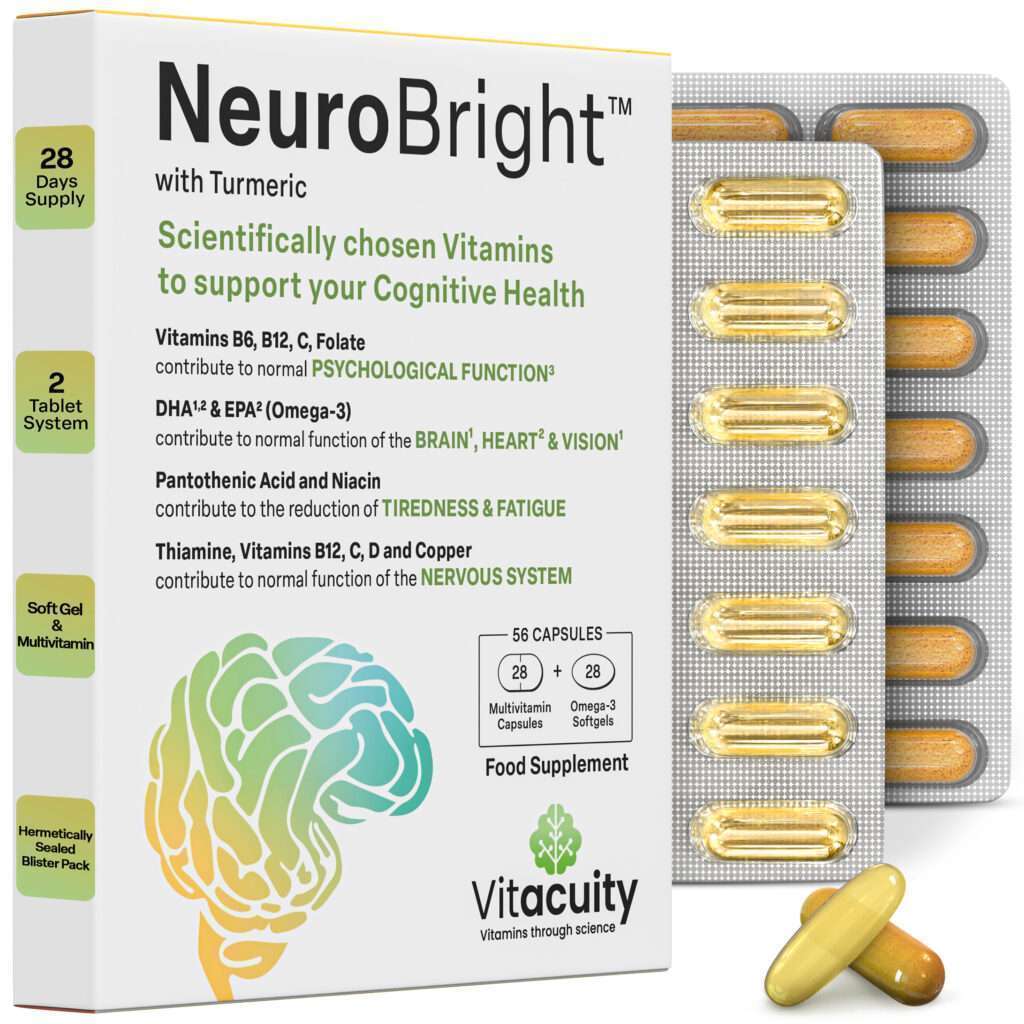
Free guide: The research behind brain health supplements
Plus our weekly research digest — straight to your inbox.
Just leave your email address.