Cold Exposure And Brain Health — What Ice Baths Actually Do To Your Neurons
Quick Read Cold exposure, particularly ice baths, activates a biological stress response called hormesis, where controlled stress triggers the body
We write a new article on supplements every day , all detailed, with citations.
Once a week we send an email containing a list of the last 7 days articles. Please sign up and also feel free to share the articles with friends and family who you think might benefit.
Simon Parrott – Vitacuity Ltd
Carnosine is a small molecule your muscles naturally produce that declines with age. Research suggests it fights three major ageing processes: cells rusting from within (oxidative stress), sugar damaging proteins (glycation), and damaged cells spreading inflammation (senescence). Lab and animal studies show promising results for brain health, muscle preservation, and eye health, with one particularly strong study showing a carnosine-based skin cream reduced age markers in human tissue samples.
The main challenge is that when you take carnosine as a pill, your body breaks it down before much reaches your tissues. However, supplementing with beta-alanine, the amino acid your body uses to make carnosine naturally, appears to work better since it’s synthesised where needed. Topical carnosine creams bypass this problem entirely and have solid evidence in human skin studies.
While the science is credible and mechanistically sound, large human clinical trials proving real-world benefits are still missing. What exists is mostly laboratory, animal, and cell studies, plus one large clinical database for eye drops. This doesn’t mean carnosine doesn’t work, but it means we’re building the case rather than confirming it.
Verdict: Carnosine supplementation, particularly through beta-alanine or topical applications, is a reasonable choice for healthy ageing based on current evidence, but don’t expect dramatic results until larger human trials confirm what the lab studies promise.
What if one of the most promising anti-ageing compounds in modern science isn’t a cutting-edge pharmaceutical, a rare plant extract, or the latest Silicon Valley biohack, but a tiny molecule your own muscles have been quietly producing your entire life? And what if the problem isn’t that you need something new, but that you’re running low on something ancient?
Carnosine is a dipeptide, a small molecule made of just two amino acids, beta-alanine and L-histidine, linked together, and it’s found in high concentrations throughout your muscles, brain, and other long-lived tissues [3]. It’s been the subject of serious scientific investigation since the 1990s, and in 2024 and 2025, researchers are still finding new reasons to pay attention to it. Vitacuity has reviewed over 1.77 million research papers and identified 15 of the most relevant studies on carnosine and ageing. Here’s what they actually tell us, the good, the uncertain, and the genuinely fascinating.
To understand why carnosine matters for ageing, you need to understand three of the most destructive processes happening inside your cells right now.
Oxidative stress is what happens when unstable molecules called reactive oxygen species (ROS), generated naturally by metabolism, but accelerated by pollution, poor diet, and, yes, time, start damaging your proteins, DNA, and cell membranes. Think of it as your cells slowly rusting from the inside [2].
Glycation is what happens when sugar molecules attach themselves to proteins and fats in your body, forming what scientists call Advanced Glycation End-products, or AGEs. These sticky, cross-linked proteins accumulate in your tissues over time, in your skin, your blood vessels, your brain, and are closely associated with the visible and invisible signs of ageing [14].
Cellular senescence is the process by which damaged cells stop dividing and functioning properly, and begin secreting inflammatory signals that damage surrounding cells. It’s essentially your cells going into a kind of toxic retirement, no longer useful, but not yet cleared away [1].
Carnosine appears to address all three of these processes. It’s a direct scavenger of reactive oxygen species [2], it can bind to and neutralise the toxic sugar-derived compounds that drive glycation [14], and it activates cellular defence pathways that slow senescence [1]. It also chelates (mops up) excess metal ions like copper and zinc that can catalyse harmful oxidative reactions in the brain and body [9].
The neat thing is that these aren’t separate, unrelated actions. They’re all part of the same underlying biology of biological ageing, and carnosine appears to intervene at multiple points in that cascade. A 2024 review published in *Maturitas* described carnosine as a potential “geroprotector”, a compound that targets the fundamental mechanisms of ageing itself, not just its symptoms [6].
There’s one important catch, though: carnosine concentrations in your muscles and tissues decline significantly with age [2], and your body’s ability to replenish them depends on dietary intake of beta-alanine, the amino acid that is typically the limiting factor in carnosine synthesis [2]. More on that shortly.
One of carnosine’s most compelling and best-characterised actions is its ability to fight glycation, the process by which sugars corrupt your proteins.
A foundational study published in *Free Radical Biology and Medicine* in 2000 demonstrated in laboratory conditions that carnosine can directly react with carbonyl groups on glycated proteins, essentially attaching itself to the damage and neutralising it before it can cross-link with other proteins. The researchers termed this process “carnosinylation” and proposed it as a key mechanism by which carnosine exerts its anti-ageing effects [14].
More practically, a 2018 study published in *Skin Pharmacology and Physiology* tested a facial cream containing carnosine on human skin explants (real human skin tissue, maintained in a lab). When researchers induced glycation by exposing the skin to methylglyoxal, a reactive sugar-derived compound that accumulates in tissues and accelerates ageing, the carnosine-containing cream produced dramatic results. The carnosine facial cream reduced levels of the AGE marker carboxymethyl-lysine (CML) by 150% in the epidermis and 122% in the deeper reticular dermis. It reduced pentosidine (another AGE marker) by 108% in the epidermis and 136% in the dermis. Even a simple aqueous (water-based) carnosine solution reduced CML by 64% in the epidermis [12].
These are striking numbers from a well-constructed ex vivo (outside the body) experiment. The sample was adult female skin, and the study design was robust enough to be published in a peer-reviewed journal [12]. That said, ex vivo skin experiments are not the same as long-term clinical trials in living people, so the evidence grade here is promising, not strong.
Supporting this mechanism, a separate 2018 study demonstrated that carnosine can scavenge methylglyoxal, one of the most damaging reactive dicarbonyl compounds involved in diabetic complications and general tissue ageing [10]. The researchers showed that carnosine and the related compound anserine could mitigate damage to kidney cells, relevant not just for diabetes management, but for understanding how carnosine protects long-lived tissues more broadly [10].
There’s a reason carnosine is found in particularly high concentrations in the brain [3]. As a buffer, it helps maintain the right pH in highly active tissues, including neurons firing repeatedly throughout the day [9]. But its brain-protective role goes deeper than chemistry homework.
A comprehensive 2014 review in *Current Pharmaceutical Biotechnology* laid out the multiple mechanisms by which carnosine and its derivatives (including N-acetylcarnosine and carcinine) may protect against neurodegeneration and cognitive decline [9]. These include its free radical scavenging activity, its ability to chelate excess metals like copper and zinc that accumulate in the brain with age and are implicated in Alzheimer’s disease, its anti-glycation effects on brain proteins, and its role in modulating the histamine neurotransmitter system [9].
The same review highlighted that carnosine can delay the senescence of cultured human fibroblasts, kill transformed (potentially cancerous) cells, and protect cells against amyloid peptide fragments, the sticky proteins that accumulate in Alzheimer’s disease [9].
A 2025 review in the *International Journal of Molecular Medicine* echoes this, systematically summarising carnosine’s potential in neurodegenerative diseases, noting both its antioxidant and anti-inflammatory actions and its neuroprotective properties [3]. The researchers identified carnosine as having “significant therapeutic value” across multiple pathophysiological processes, including neurodegeneration, metabolic disorders, and cardiovascular disease [3].
A 2025 review focused on beta-alanine and L-carnosine specifically noted that L-carnosine accumulates in brain tissue and has a “well-defined physiological role” in managing age-related decline in memory and learning [2].
Evidence grade: Promising to early stage. The mechanistic picture is rich and credible. Human clinical trial data specifically for cognitive outcomes in older adults remains limited, much of the evidence is from lab studies, animal models, and expert reviews rather than large-scale RCTs. This is an important area where more human trial data is needed.
One of the most underappreciated aspects of carnosine’s role is in muscle function, and specifically in the loss of muscle mass and strength that characterises ageing.
Carnosine is present in skeletal muscle at concentrations of up to 20 mM, some of the highest in any tissue in the body [14]. It acts as a pH buffer during intense muscular activity, soaking up the hydrogen ions that accumulate when muscles work hard and contribute to fatigue [2]. This buffering capacity is why beta-alanine (carnosine’s rate-limiting building block) has become one of the most studied ergogenic supplements in sports science.
But the ageing angle is equally important. A 2025 review in *Nutrients* (or equivalent journal) noted that carnosine concentrations in muscle tissue decline significantly with age, and that this decline parallels the onset of sarcopenia, the progressive loss of muscle mass and strength that affects millions of people over 50 [2]. The same review highlighted that L-carnosine is “necessary for maintaining the muscle buffering capacity and preventing a loss of muscle mass associated with aging effects” [2].
A 2024 review in *Maturitas* reinforced this: carnosine’s benefits for muscle function and exercise performance are increasingly recognised in the context of healthy ageing, not just athletic performance [6]. It described carnosine as a “promising therapeutic intervention for healthy ageing and oxidative stress-related pathologies” [6].
Evidence grade: Promising. The mechanistic and observational data is strong. Large-scale RCTs specifically targeting sarcopenia prevention with carnosine supplementation are still needed.
One of the more unusual entries in the carnosine research literature is a large-scale clinical study on N-acetylcarnosine eye drops, a modified form of carnosine designed to penetrate the eye’s tissues more effectively.
A 2009 study published in a clinical ophthalmology context followed a database of over 50,500 patients using 1% N-acetylcarnosine lubricant eye drops. The research explored the antioxidant mechanisms of carnosine in both aqueous (watery) and lipid (fatty membrane) environments in the eye, environments that are particularly vulnerable to oxidative damage and glycation as we age [8].
The study demonstrated that N-acetylcarnosine, which is converted back to L-carnosine in ocular tissues, acts as a universal antioxidant in the eye, scavenging both reactive oxygen species and reactive aldehydes in both aqueous and lipid membrane environments. It also demonstrated transglycation activity, the ability to reverse the stable cross-links that form between proteins in the ageing lens, which are characteristic of cataracts [8].
The study reported significant efficacy and safety in the prevention and treatment of age-related cataracts, primary open-angle glaucoma, age-related macular degeneration, and diabetic retinopathy across its large patient cohort [8].
Evidence grade: Promising. This is a large clinical dataset and the mechanistic rationale is strong. However, the study design, a database cohort rather than a pre-registered randomised controlled trial, means the findings should be interpreted with appropriate caution. Independent replication in well-controlled RCTs would significantly strengthen this evidence.
Some of the most striking, if early stage, evidence for carnosine’s anti-ageing potential comes from cell biology research.
A 1996 study published in *Life Sciences* (using rat embryonic fibroblasts) demonstrated that L-carnosine at 30 mM concentration could sustain normal cell morphology for up to five weeks even under nutritional stress conditions, a kind of cellular insult that would normally trigger deterioration. Importantly, carnosine significantly reduced the formation of 8-hydroxy-deoxyguanosine (8-OH dG), a key marker of oxidative DNA damage, after four weeks in continuous culture. The researchers concluded that carnosine’s anti-senescent effect is likely linked to its suppression of oxidative DNA damage [15].
A 1999 study in *Rejuvenation Research* took this into animal territory. Using senescence-accelerated mice (SAM), a strain bred to age faster than normal, researchers found that carnosine supplementation attenuated the development of senile features on physical and behavioural parameters, and extended average lifespan. The effect was also seen in normal (non-accelerated ageing) control mice, though less dramatically [11].
A 2025 study in *Frontiers in Pharmacology* provided a modern mechanistic explanation for these observations. Using oral mucosal cells as a model, researchers found that carnosine activates the Nrf2/HO-1 pathway, one of the body’s master antioxidant and cellular defence systems, to prevent cellular senescence. The study used metabolomics analysis to show that carnosine directly alleviates oxidative stress through this pathway [1].
Evidence grade: Early stage to promising. The cell and animal data is compelling and the mechanisms are well-characterised. Human trials specifically designed to assess carnosine’s effect on markers of cellular senescence are limited. This is an active and exciting area of research.
Here’s something worth knowing if you’re considering carnosine supplementation: when you take carnosine orally, an enzyme in your blood called carnosinase 1 (CN1) breaks it down before much of it can reach your tissues [5]. This is a genuine limitation of oral carnosine supplementation, and it’s something researchers have been working hard to address.
A 2025 study published in *Free Radical Biology and Medicine* identified a fascinating natural workaround. Researchers found that when carnosine undergoes oxidative modification in the body, forming what they called “2-oxo-carnosine”, this modified form is largely resistant to degradation by CN1 [5]. Not only that, but 2-oxo-carnosine also demonstrated significantly greater antioxidant activity than unmodified carnosine, and was shown to increase plasma antioxidant activity in mice when administered directly [5].
This suggests that the body may have its own built-in mechanism for preserving carnosine’s benefits, and that these oxidised derivatives could represent the next generation of more bioavailable carnosine-based supplements. For now, though, this research is at the early stage, conducted in animal models and in vitro [5].
One practical implication of the CN1 degradation issue: supplementing with beta-alanine (the rate-limiting amino acid for carnosine synthesis) may, in some contexts, be a more efficient way to raise carnosine levels in muscle tissue, since the synthesis happens locally in the tissue rather than relying on intact carnosine surviving the digestive and circulatory journey [2].
It would be misleading to present carnosine as a proven anti-ageing supplement with a strong clinical evidence base, and that’s not what the research currently supports. Here’s an honest account of the gaps:
Human clinical trial data is thin. Most of the compelling evidence for carnosine’s anti-ageing effects comes from cell studies, animal models, and biochemical experiments in the lab. The mouse lifespan study [11] is interesting, but mice are not humans. The skin explant study [12] uses real human tissue but not real living humans over time. Large, long-duration, pre-registered randomised controlled trials in humans measuring meaningful anti-ageing outcomes, cognitive decline, muscle preservation, cardiovascular health, lifespan, simply don’t exist yet at the scale needed to call this “strong” evidence.
The bioavailability problem hasn’t been solved. Carnosinase 1 degrades oral carnosine in the blood before it reaches many tissues [5]. This is a real limitation that affects how much benefit you can expect from a standard carnosine supplement. Different people also have different levels of carnosinase activity, genetic variation means some individuals may absorb and retain carnosine far better than others [9].
Optimal dosing is unclear. Studies have used wildly varying doses, from 30 mM in cell culture (not directly translatable to a human dose) to various oral supplementation regimens in animals. The dose required to meaningfully raise tissue carnosine levels in older humans hasn’t been definitively established in controlled trials.
The skin evidence, while exciting, is preliminary. The facial cream study [12] used ex vivo human skin, not people. Whether the same effects translate to measurable cosmetic or biological benefits in living humans over months or years remains to be seen in well-designed trials.
What the conflicts tell us: Some research is done in cell culture, some in accelerated-ageing mice, some in human tissue explants, and some in clinical databases. These different methodologies don’t directly contradict each other, but they also don’t add up to a clean, consistent picture of “X dose produces Y outcome in humans.” The overall weight of evidence is credible and mechanistically coherent, but we’re still building the bridge from “biologically plausible and supported in the lab” to “proven in large human clinical trials.”
Here’s what a sensible, well-informed person should actually do with this information.
The mechanistic case for carnosine is genuinely compelling. It addresses multiple hallmarks of biological ageing simultaneously, oxidative stress, glycation, cellular senescence, metal ion toxicity, and inflammation [6]. The lab and animal evidence is consistent and growing. And crucially, carnosine is a molecule your own body has been producing naturally for your entire life, it’s not foreign to your biology.
The challenge is that tissue carnosine levels decline with age [2], and oral supplementation faces the bioavailability hurdle of carnosinase degradation [5]. So what can you practically do?
Consider beta-alanine supplementation. Because beta-alanine is the rate-limiting step in carnosine synthesis, and because it’s synthesised locally in muscle tissue after uptake, supplementing with beta-alanine is a well-studied and practical strategy for raising muscle carnosine levels [2]. The only notable side effect is a tingling sensation (paraesthesia) at higher doses, harmless, but worth knowing about. This is a water-soluble compound, so excess is cleared safely.
Consider direct carnosine supplementation alongside or alternatively. Despite the bioavailability challenge, some carnosine does survive the journey to tissues, and the research base, particularly for brain and systemic effects, often uses carnosine directly [3, 6]. Taking carnosine with food may slow degradation. Look for formulations that acknowledge the bioavailability question.
If you’re interested in skin anti-ageing, topical carnosine is worth exploring. The anti-glycation evidence for topically applied carnosine in human skin explants is among the strongest human-tissue evidence available [12]. Unlike oral supplementation, topical delivery bypasses the carnosinase problem entirely. This is a low-risk, practical intervention.
Prioritise a diet that supports carnosine synthesis. Carnosine is found naturally in meat and poultry. Beta-alanine comes primarily from dietary protein. If you’re following a plant-based diet, your carnosine levels are likely lower than average, supplementation becomes more relevant, not less [2].
Don’t expect miracles, but don’t dismiss this either. The evidence grade for carnosine across most outcomes is promising, meaning there’s real, credible science here, but we’re not yet at the level of “multiple large RCTs in humans with consistent results.” Given the safety profile, the mechanistic coherence, and the declining levels with age, supplementation at normal doses is a reasonable, informed choice for anyone serious about healthy ageing.
Carnosine won’t reverse the clock. But it may, quietly and consistently, help your cells age a little more gracefully, which, when you think about it, is exactly what good science-backed nutrition is supposed to do.
[1] Carnosine alleviates oxidative stress to prevent cellular senescence by regulating Nrf2/HO-1 pathway: a promising anti-aging strategy for oral mucosa (2025). DOI: 10.3389/fphar.2025.1559584 | https://pubmed.ncbi.nlm.nih.gov/40276606/ | https://www.ncbi.nlm.nih.gov/pmc/articles/PMC12018427/
[2] The Possible Roles of β-Alanine and L-Carnosine in Improving Human Health (2025). https://pubmed.ncbi.nlm.nih.gov/38243982/
[3] Novel progress in the application of the small molecule drug carnosine for the treatment of several diseases (Review) (2025). DOI: 10.3892/ijmm.2025.5662 | https://pubmed.ncbi.nlm.nih.gov/41104876/ | https://www.ncbi.nlm.nih.gov/pmc/articles/PMC12534111/
[4] L-carnosine-loaded hya-ascorposomes Attenuate UVB-induced skin Photoaging: Formulation, in vitro and in vivo evaluation (2025). DOI: 10.1016/j.ijpharm.2025.125895 | https://pubmed.ncbi.nlm.nih.gov/40571202/
[5] 2-Oxo-imidazole-containing dipeptides resist degradation by carnosinase 1 (2025). DOI: 10.1016/j.freeradbiomed.2025.11.014 | https://pubmed.ncbi.nlm.nih.gov/41218727/
[6] The impact of carnosine on biological ageing, A geroscience approach (2024). DOI: 10.1016/j.maturitas.2024.108091 | https://pubmed.ncbi.nlm.nih.gov/39153379/
[8] N-acetylcarnosine lubricant eyedrops possess all-in-one universal antioxidant protective effects of L-carnosine in aqueous and lipid membrane environments, aldehyde scavenging, and transglycation activities inherent to cataracts: a clinical study of the new vision-saving drug N-acetylcarnosine eyedrop therapy in a database population of over 50,500 patients (2009). https://pubmed.ncbi.nlm.nih.gov/19487926/
[9] Biochemical, Biomedical and Metabolic Aspects of Imidazole-Containing Dipeptides with the Inherent Complexity to Neurodegenerative Diseases and Various States of Mental Well-Being (2014). DOI: 10.2174/1389201015666140827104918 | https://pubmed.ncbi.nlm.nih.gov/25158972/
[10] Carnosine Catalyzes the Formation of the Oligo/Polymeric Products of Methylglyoxal (2018). https://pubmed.ncbi.nlm.nih.gov/29621776/
[11] Carnosine, the protective, anti-aging peptide (1999). DOI: 10.1023/a:1020271013277 | https://pubmed.ncbi.nlm.nih.gov/10841274/
[12] Novel Facial Cream Containing Carnosine Inhibits Formation of Advanced Glycation End-Products in Human Skin (2018). DOI: 10.1159/000492276 | https://pubmed.ncbi.nlm.nih.gov/30199874/ | https://www.ncbi.nlm.nih.gov/pmc/articles/PMC6262686/
[14] Carnosine reacts with a glycated protein (2000). DOI: 10.1016/s0891-5849(00)00270-7 | https://pubmed.ncbi.nlm.nih.gov/10927182/
[15] Carnosine sustains the retention of cell morphology in continuous fibroblast culture subjected to nutritional insult (1996). https://pubmed.ncbi.nlm.nih.gov/8670272/
This article is for informational purposes only and does not constitute medical advice. Food supplements should not be used as a substitute for a varied and balanced diet and healthy lifestyle. If you are pregnant, breastfeeding, taking medication or have a medical condition, consult your doctor before taking any supplement. These statements have not been evaluated by the Food and Drug Administration (FDA) or the Medicines and Healthcare products Regulatory Agency (MHRA). This product is not intended to diagnose, treat, cure, or prevent any disease.
Quick Read Cold exposure, particularly ice baths, activates a biological stress response called hormesis, where controlled stress triggers the body
Quick Read Tiny air pollution particles (PM2.5) from traffic and burning fuel are small enough to enter your bloodstream and
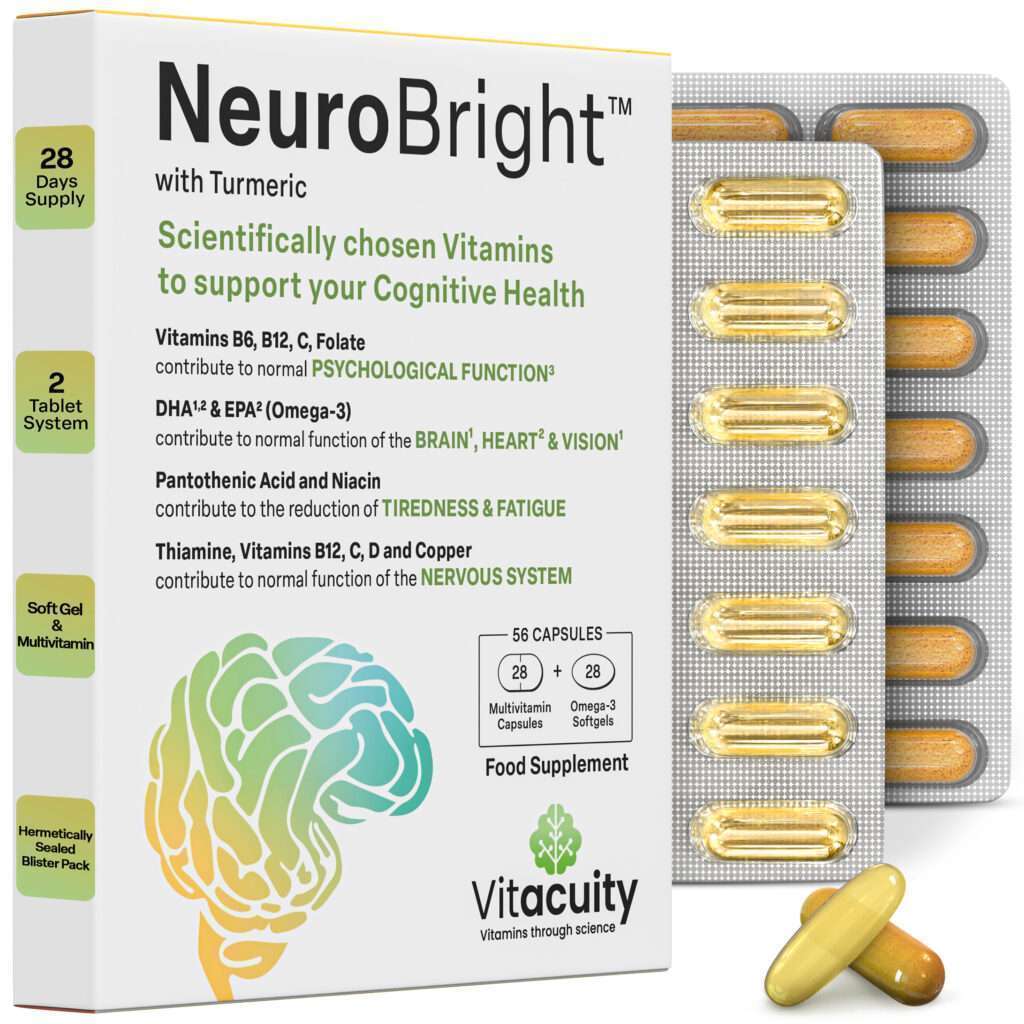
Free guide: The research behind brain health supplements
Plus our weekly research digest — straight to your inbox.
Just leave your email address.