Cold Exposure And Brain Health — What Ice Baths Actually Do To Your Neurons
Quick Read Cold exposure, particularly ice baths, activates a biological stress response called hormesis, where controlled stress triggers the body
We write a new article on supplements every day , all detailed, with citations.
Once a week we send an email containing a list of the last 7 days articles. Please sign up and also feel free to share the articles with friends and family who you think might benefit.
Simon Parrott – Vitacuity Ltd
Your body needs copper to build strong collagen, the protein that keeps skin firm and joints flexible. Collagen gets its strength from cross-links that bond individual collagen fibres together, and an enzyme called lysyl oxidase controls this cross-linking process. Without enough copper, lysyl oxidase cannot work properly, leaving your collagen weak even if you take collagen supplements.
Research shows this mechanism is well-established biochemistry. A study on human skin tissue found that copper directly boosted collagen and elastin production. However, most evidence focuses on copper deficiency rather than the benefits of supplementing copper in otherwise healthy people. The science is clear in theory, but large-scale human trials specifically testing copper supplements for collagen remain limited.
Vitamin C plays an equally important role at an earlier stage of collagen production. Taking collagen peptides (2.5g to 5g daily) combined with both copper and vitamin C, plus adequate sleep, creates a well-reasoned approach supported by the research. Most adults get suboptimal copper from diet alone, making a simple 1-2mg daily copper supplement a low-cost, sensible addition.
Verdict: Copper is essential for collagen strength and supplementing it alongside vitamin C and collagen peptides is biologically sound, though more human trials would strengthen the evidence for supplementation specifically.
What if the reason your skin is losing firmness, your joints are feeling their age, and your connective tissue is gradually weakening has less to do with how much collagen you’re taking, and more to do with whether your body can actually *build* it in the first place?
Most of the conversation around collagen focuses on supplementation: how many grams, which peptides, marine or bovine. But there’s a quieter, more fundamental story happening upstream of all of that, one involving a mineral most people never think about. Copper. Without it, your body simply cannot properly assemble and stabilise the collagen it makes. It doesn’t matter how much collagen powder you stir into your morning coffee. If the enzyme that locks collagen fibres into their strong, cross-linked structure isn’t working properly, you’re building a scaffold without bolts. Understanding this changes everything about how you approach collagen support, and it starts with a process called lysyl oxidase.
To understand why copper matters so much, you need a brief tour of how collagen is built. Collagen isn’t just one protein, it’s a family of structural proteins that form the scaffolding of skin, tendons, bone, cartilage and blood vessels. More than a third of all the protein in your body is collagen [5]. But collagen’s strength doesn’t come from the individual protein strands themselves, it comes from the *cross-links* between them.
Think of individual collagen fibres as threads. A thread on its own is weak. Weave those threads together tightly and you get something that can bear enormous load. That weaving process, the cross-linking of collagen fibres, is controlled by an enzyme called lysyl oxidase. And lysyl oxidase is entirely dependent on copper to function [6][7].
Here’s how it works. Lysyl oxidase takes specific amino acid residues, lysine and hydroxylysine, within the collagen protein and converts them into reactive aldehyde molecules. These aldehydes then spontaneously form chemical bonds with neighbouring fibres, locking the structure together through what are called aldol and Schiff-base condensations [7]. The result is a dense, mechanically strong matrix. Without adequate copper, lysyl oxidase loses its activity, this conversion doesn’t happen efficiently, cross-linking is reduced, and the structural integrity of collagen-rich tissues, skin, tendons, arteries, bone, deteriorates [7].
This isn’t a theoretical concern. Research from as far back as 1977 demonstrated clearly that nutritional copper deficiency produces “marked changes in the crosslinking of collagen and elastin” in animal models, with measurable changes to the biomechanical properties of bone and arterial tissue [7]. More recent work, including an ex-vivo study using actual human skin tissue, has shown that exposure to copper ions directly increases pro-collagen 1 and elastin production, suggesting copper’s role extends beyond just enzyme cofactor activity into actively stimulating the skin’s collagen-building machinery [8].
Vitamin C is the other major player in this picture. While copper drives cross-linking, vitamin C (ascorbic acid) is essential at an earlier stage of the process, it’s required for the hydroxylation of proline and lysine residues, which gives collagen its characteristic triple-helix shape and stability [12][14]. Deficiency in vitamin C results in reduced procollagen synthesis and impaired hydroxylation, which is why vitamin C deficiency causes scurvy, quite literally, your collagen falls apart [12]. These two nutrients, copper and vitamin C, work at different stages of the same production line, which is why combinations tend to be more effective than either alone [1][14].
The foundational research here is old but robust. A 1977 study published in the peer-reviewed literature examined what happens to bone collagen and arterial elastin when animals are deprived of dietary copper [7]. The findings were striking: copper deficiency directly impaired the activity of lysyl oxidase, reducing the formation of the aldehyde cross-links that give collagen its mechanical strength. The changes were measurable in actual tissue, altered biomechanical properties in chick bone and aorta, with collagen and elastin losing their normal structural integrity.
Evidence grade: Strong for the mechanism. The role of copper as an essential cofactor for lysyl oxidase is one of the most well-established facts in nutritional biochemistry. The 1985 review of nutrients and connective tissue synthesis confirms copper’s role within the broader landscape of collagen-relevant nutrients, alongside vitamin C, manganese, pyridoxine and riboflavin [6]. This isn’t speculative, it’s textbook biochemistry with decades of supporting evidence.
What makes this particularly relevant for people over 40 is that collagen synthesis naturally declines with age, and the cross-linking process becomes less efficient over time [5]. Starting with suboptimal copper status, which affects a meaningful proportion of adults who don’t pay attention to dietary intake, compounds this age-related decline.
Beyond its role as an enzyme cofactor, copper appears to have a more direct signalling effect on skin cells. A 2020 study published in the *Journal of Cosmetic Dermatology* used an ex-vivo human skin model, actual human skin explants kept alive in culture, to test what happens when skin tissue is exposed to low concentrations of copper ions [8].
The results were notable. Exposure to just 0.02 µmol/L of copper ions produced approximately a 100% increase in elastin concentrations in the culture medium within just one day of exposure. Pro-collagen 1 levels increased by around 20% at the same concentration. TGF-β1, a key growth factor that drives collagen production, showed a two-to-four-fold increase over six days of exposure [8].
The study also noted that clinical trials using copper oxide-embedded pillowcases had previously demonstrated reductions in facial wrinkle depth and improvements in skin elasticity [8], suggesting this isn’t purely a lab phenomenon.
Evidence grade: Promising. This is an ex-vivo human tissue study, which is a meaningful step up from pure cell culture or animal research, you’re working with real human skin architecture. However, it’s not the same as a randomised controlled trial in living humans taking oral copper supplements. The mechanism is convincing; the clinical translation to supplementation specifically still needs more direct human trial data.
A 1992 biochemistry paper adds an important layer of mechanistic understanding [9]. It examined how lysyl oxidase, the copper-dependent enzyme at the heart of this story, actually performs its chemistry, using a model system involving quinone cofactors alongside copper.
The key insight: the enzyme requires *both* a quinone cofactor and copper to function optimally. Copper alone oxidised elastin “relatively slightly”, it was the combination, in the right ratio, working aerobically (requiring oxygen), that produced the meaningful cross-linking chemistry [9]. The study also confirmed that free radical species are part of the reaction pathway, and that disrupting this system affects both collagen and elastin substrates.
Evidence grade: Early stage / mechanistic. This is laboratory biochemistry rather than a clinical trial. But it’s important because it explains *why* copper is non-negotiable for collagen integrity, not as a vague nutritional claim, but as a specific, well-characterised piece of enzyme chemistry. It also hints at why antioxidant status and oxygen availability might modulate copper’s effectiveness in collagen synthesis.
The broader collagen supplementation literature consistently points to one pattern: collagen peptides work better when combined with the nutrients that support collagen synthesis. A 2025 review integrating over 60 clinical studies concluded that hydrolyzed collagen peptides show the most consistent improvements in skin elasticity, joint function, and exercise recovery “particularly when co-supplemented with vitamin C, silica, or resveratrol” [1]. A separate 2025 review of oral collagen supplementation confirmed that combinations of collagen with vitamins, minerals, and antioxidants produced additional benefits including improved skin radiance and reduced pore size compared to collagen alone [2].
The RCT evidence for collagen peptides themselves is growing. A double-blind, randomised, placebo-controlled study of 85 women aged 45-60 found that 2.5g daily of collagen oligopeptides over 84 days improved skin hydration, firmness and elasticity [3]. Another review found that 2.5g per day produced measurable benefits to skin within four weeks [2]. A small crossover study (n=10) found that vitamin C-enriched collagen supplements taken one hour before exercise produced approximately 20% increases in procollagen markers, a measure of new collagen synthesis, compared to placebo [15].
Evidence grade for collagen peptides: Promising to strong, the RCT base is growing, particularly for skin outcomes, though most studies use female participants and relatively short durations. The case for ensuring adequate cofactors, including copper and vitamin C, alongside any collagen supplement is well-supported by the mechanistic evidence.
It would be incomplete to discuss copper’s role in collagen synthesis without being equally clear about vitamin C. While copper operates downstream, at the cross-linking stage via lysyl oxidase, vitamin C operates upstream, during the hydroxylation of proline and lysine residues that gives collagen its structural stability [12][14].
A 2022 scoping review on vitamin C and tendon health found that vitamin C deficiency is “mainly associated with a decrease in procollagen synthesis and reduced hydroxylation of proline and lysine residues, hindering the tendon repair process” [12]. The same review concluded that vitamin C supplementation, alone or in combination, increases collagen synthesis and improves outcomes in tendinopathy [12].
A 2022 review in a dermatology context went further, noting that vitamin C also stimulates collagen gene expression and acts as an antioxidant to reduce the oxidative stress that degrades existing collagen [14]. It also flagged something practically interesting: because glycine makes up one third of all amino acid residues in collagen, glycine availability can become a limiting factor for collagen synthesis, and glycinamide was found to be particularly effective at stimulating collagen production in human dermal fibroblasts, suggesting that combining vitamin C with targeted amino acid support could have synergistic effects [14].
Evidence grade for vitamin C in collagen synthesis: Strong for mechanism, promising for clinical outcomes. The biochemistry is settled. The clinical evidence for specific outcomes in specific populations continues to develop.
Being honest about the limits of the evidence is important, and there are genuine gaps here.
The copper supplementation gap. Most of the copper-collagen research focuses on copper deficiency or topical/direct tissue exposure. There are very few well-designed human RCTs looking specifically at oral copper supplementation in adults with suboptimal (but not severely deficient) copper status and measuring collagen outcomes directly. The mechanism is crystal clear; the clinical trial evidence for supplementing copper specifically to improve collagen in humans is thinner than we’d like [6][7][8].
Who is actually copper-deficient? The research is clear that copper deficiency impairs collagen cross-linking. What’s less clear is how common *subclinical* copper insufficiency is in the general adult population, and whether supplementing at commonly available doses meaningfully improves collagen outcomes in people who aren’t clinically deficient.
The ex-vivo limitation. The 2020 human skin study used copper ions applied directly to skin tissue kept alive in a lab dish [8]. This is a useful model but it’s not the same as taking an oral copper supplement and measuring what happens to skin collagen in a randomised controlled trial.
Collagen supplementation research has its own limitations. Most collagen peptide trials use female participants, are relatively short (4-12 weeks), and use skin outcomes rather than internal connective tissue outcomes. Long-term joint, tendon, and bone effects are less studied [1][2].
Sleep’s role is unexplored. One 2025 review raised an intriguing question: poor sleep accelerates oxidative stress and impairs collagen production, so could good sleep quality meaningfully enhance collagen supplementation outcomes? This is biologically plausible but has not been formally tested in trials [2].
Here’s what a sensible, informed person should actually take away from all of this.
The collagen story has two chapters. Chapter one is making collagen, which requires vitamin C, amino acids (particularly glycine and proline), and cellular signalling. Chapter two is *stabilising* collagen, locking it into strong, durable cross-linked fibres. That second chapter is almost entirely copper-dependent, via lysyl oxidase. If you’re taking collagen supplements but ignoring your copper and vitamin C status, you may be building collagen that isn’t being properly reinforced.
On copper: The mechanism is one of the most well-established in nutritional biochemistry. Copper is a trace mineral found in nuts, seeds, shellfish, legumes and wholegrains, but dietary surveys suggest many adults in the UK fall below optimal intake. Copper supplements are widely available, inexpensive, and copper toxicity at normal supplementation doses is rare. Given that the risk of insufficiency is real, the mechanism of harm is well-understood, and the cost of supplementing is low, this is a sensible daily addition. Typical supplementary doses of 1-2mg copper are well within safe ranges. You don’t need a test to justify this, the risk-benefit calculation is straightforwardly in favour of including it.
On vitamin C: This is water-soluble, so any excess is excreted harmlessly. Supplement daily without concern. It works at an earlier stage of collagen synthesis than copper, but the two are complementary rather than redundant. A daily dose of 500mg-1000mg vitamin C alongside dietary intake covers this base confidently [12][14].
On collagen peptides: The evidence is genuinely promising, particularly for skin, and getting stronger. If you choose to supplement, 2.5g-5g daily of hydrolyzed collagen peptides is the dose most consistently used in the trials showing benefits [2][3]. Take it with vitamin C, ideally around the time of any physical activity [15].
The practical stack: Copper + vitamin C + collagen peptides is a well-reasoned combination. Each works at a different stage of the same biological process. None of them are expensive. The combined evidence, mechanistic, ex-vivo, and clinical, for this combination is more compelling than any single ingredient alone [1][6][7][8][12][14].
One more thing: sleep. The research is early but biologically coherent, poor sleep increases oxidative stress, which degrades collagen, and reduces the cellular repair processes that build it [2]. If you’re investing in collagen support, protecting your sleep is the free intervention that costs nothing and has no downside.
*Vitacuity has analysed over 1.77 million research papers to bring you evidence summaries like this one. Every claim above is grounded in the peer-reviewed research cited below.*
[1] Collagen supplementation and regenerative health: advances in biomarker detection and smart material integration (2025). *Frontiers in Nutrition*. DOI: 10.3389/fnut.2025.1716166 | https://pubmed.ncbi.nlm.nih.gov/41459089/ | https://www.ncbi.nlm.nih.gov/pmc/articles/PMC12739960/
[2] Can good sleep quality enhance the benefits of oral collagen supplementation in the prevention of skin aging? A brief report (2025). DOI: 10.1007/s00403-025-03860-5 | https://pubmed.ncbi.nlm.nih.gov/39912934/
[3] Oral Collagen Oligopeptides as a Modulator of Skin Health: A Comprehensive Evaluation of Clinical and Molecular Effects (2025). *Journal of Medicinal Food*. DOI: 10.1089/jmf.2024.0252 | https://pubmed.ncbi.nlm.nih.gov/40518844/
[4] Atelocollagen Increases Collagen Synthesis by Promoting Glycine Transporter 1 in Aged Mouse Skin (2025). *International Journal of Molecular Sciences*. DOI: 10.3390/ijms262411825 | https://pubmed.ncbi.nlm.nih.gov/41465258/ | https://www.ncbi.nlm.nih.gov/pmc/articles/PMC12732917/
[5] Promoting collagen synthesis: a viable strategy to combat skin ageing (2025). DOI: 10.1080/14756366.2025.2488821 | https://pubmed.ncbi.nlm.nih.gov/40213810/ | https://www.ncbi.nlm.nih.gov/pmc/articles/PMC11995770/
[6] Role of selected nutrients in synthesis, accumulation, and chemical modification of connective tissue proteins (1985). https://pubmed.ncbi.nlm.nih.gov/2861612/
[7] Nutritional copper deficiency and penicillamine administration: some effects on bone collagen and arterial elastin crosslinking (1977). https://pubmed.ncbi.nlm.nih.gov/906929/
[8] Increased pro-collagen 1, elastin, and TGF-β1 expression by copper ions in an ex-vivo human skin model (2020). *Journal of Cosmetic Dermatology*. DOI: 10.1111/jocd.13186 | https://pubmed.ncbi.nlm.nih.gov/31603269/
[9] Oxidation of peptidyl lysine by copper complexes of pyrroloquinoline quinone and other quinones. A model for oxidative pathochemistry (1992). *Biochimica et Biophysica Acta*. DOI: 10.1016/0167-4838(92)90061-h | https://pubmed.ncbi.nlm.nih.gov/1327161/
[12] Effect of Vitamin C on Tendinopathy Recovery: A Scoping Review (2022). *Nutrients*. DOI: 10.3390/nu14132663 | https://pubmed.ncbi.nlm.nih.gov/35807843/ | https://www.ncbi.nlm.nih.gov/pmc/articles/PMC9267994/
[14] Ascorbic Acid (Vitamin C) as a Cosmeceutical to Increase Dermal Collagen for Skin Antiaging Purposes: Emerging Combination Therapies (2022). https://pubmed.ncbi.nlm.nih.gov/36139737/
[15] Effects of Different Vitamin C-Enriched Collagen Derivatives on Collagen Synthesis (2019). *International Journal of Sport Nutrition and Exercise Metabolism*. DOI: 10.1123/ijsnem.2018-0385 | https://pubmed.ncbi.nlm.nih.gov/30859848/
This article is for informational purposes only and does not constitute medical advice. Food supplements should not be used as a substitute for a varied and balanced diet and healthy lifestyle. If you are pregnant, breastfeeding, taking medication or have a medical condition, consult your doctor before taking any supplement. These statements have not been evaluated by the Food and Drug Administration (FDA) or the Medicines and Healthcare products Regulatory Agency (MHRA). This product is not intended to diagnose, treat, cure, or prevent any disease.
Quick Read Cold exposure, particularly ice baths, activates a biological stress response called hormesis, where controlled stress triggers the body
Quick Read Tiny air pollution particles (PM2.5) from traffic and burning fuel are small enough to enter your bloodstream and
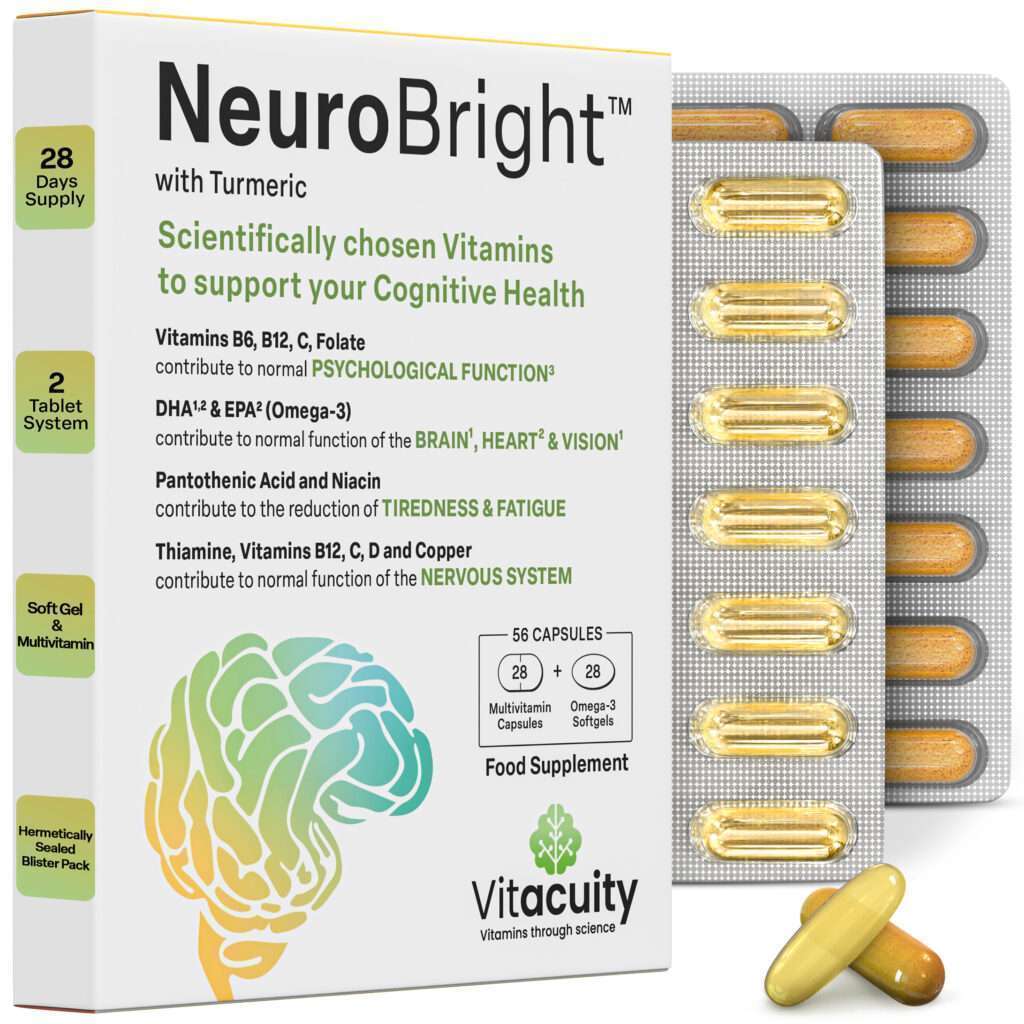
Free guide: The research behind brain health supplements
Plus our weekly research digest — straight to your inbox.
Just leave your email address.