Why Air Pollution Accelerates Cognitive Decline — And What You Can Do About It
Quick Read Tiny air pollution particles (PM2.5) from traffic and burning fuel are small enough to enter your bloodstream and
We write a new article on supplements every day , all detailed, with citations.
Once a week we send an email containing a list of the last 7 days articles. Please sign up and also feel free to share the articles with friends and family who you think might benefit.
Simon Parrott – Vitacuity Ltd
Zinc is an essential mineral your body cannot make or store in large amounts. It plays a critical role in male health, particularly in testosterone regulation, sperm production, and prostate function. Research shows that zinc deficiency in men leads to measurable drops in testosterone levels and reduced sperm quality, while the prostate gland naturally contains high zinc levels to protect itself from disease.
Key findings show that when men restrict zinc intake, testosterone can drop by up to 73 percent, and when deficient men are supplemented with zinc, testosterone nearly doubles. However, not all zinc supplements work equally. The form matters significantly: zinc gluconate and zinc citrate show better absorption than zinc sulfate, particularly in prostate tissue. Additionally, there is an optimal range for zinc, and too much can also cause problems.
For men over 40, daily supplementation with a normal dose of zinc (10-25mg) in a bioavailable form appears to be a low-risk habit that may help maintain healthy testosterone, sperm quality, and prostate function. Most detailed mechanistic research still comes from animal studies, and large human trials on long-term supplementation outcomes remain limited.
Verdict: Zinc is an evidence-backed mineral for male health, particularly for men over 40, though supplementation works best for restoring deficiency rather than enhancing already-normal levels.
What if one of the most important minerals for male health was also one of the most quietly depleted, and most men had no idea? Zinc sits at the intersection of testosterone, sperm quality, prostate health, and cellular protection, yet it rarely gets the attention it deserves. It’s not glamorous. It doesn’t have a marketing machine behind it. But the research tells a genuinely compelling story, one that’s particularly relevant for men over 40, when zinc status tends to decline and the biological stakes get higher. Here’s what over 1.77 million research papers, filtered down to the most relevant science, actually tells us.
Zinc is what scientists call an essential trace element, meaning your body can’t make it, can’t store large amounts of it, and absolutely cannot function properly without it. For men specifically, it is not a bit player. It is embedded in the core machinery of male biology.
At the most fundamental level, zinc acts as a co-factor for hundreds of enzymes, biological tools that carry out critical reactions throughout the body [2]. It plays a central role in regulating the cell cycle (how cells grow and divide), managing apoptosis (the controlled death of damaged cells), organising DNA, and supporting the metabolism of proteins, fats, and carbohydrates [8].
In male reproductive health, zinc is particularly concentrated in two key locations: the testes, where sperm are produced, and the seminal plasma, where mature sperm are suspended [1]. The prostate gland is another zinc hotspot, it accumulates more zinc than virtually any other soft tissue in the human body [12]. This isn’t random. These are locations where zinc is performing essential, specific biological work.
One of zinc’s most important roles in the male body is as an antioxidant, not directly, but indirectly, through its interaction with proteins and enzymes that regulate the body’s redox system. Think of it as a mineral that keeps the body’s cellular environment clean and stable [8]. When zinc levels fall, oxidative stress rises, and that has cascading consequences, particularly in the testes and prostate.
The connection between zinc and testosterone isn’t vague or theoretical. It’s been measured directly in human subjects, and the numbers are striking.
A landmark study published in *Nutrition* (1996) examined the relationship between zinc status and serum testosterone in 40 normal men aged 20 to 80 [14]. The researchers looked at this from two directions. First, they deliberately restricted dietary zinc in four healthy young men (average age 27.5) for 20 weeks. The results were dramatic: serum testosterone dropped from an average of 39.9 nmol/L at baseline to just 10.6 nmol/L post-restriction, a fall of roughly 73% [14]. That is not a marginal change. That is a clinically significant collapse in testosterone from zinc restriction alone.
The second arm of the study looked at elderly men (average age 64) who were already marginally zinc deficient. After six months of zinc supplementation with zinc gluconate, their average serum testosterone rose from 8.3 nmol/L to 16.0 nmol/L, nearly doubling [14]. This was statistically significant (p = 0.02).
A more recent systematic review published in the *Journal of Trace Elements in Medicine and Biology* (2023) consolidated findings from 38 papers, 8 clinical studies and 30 animal studies, and reached a consistent conclusion: zinc deficiency reduces testosterone levels, and zinc supplementation improves them [13]. The review noted that the degree of effect varies depending on baseline zinc status, the form of zinc used, the dose of elemental zinc, and duration of supplementation, important nuances we’ll come back to.
Evidence grade: Promising to strong. The human data is consistent and the mechanism is plausible. The 1996 study used small samples (four young men in the restriction arm, nine elderly men in the supplementation arm), which limits how firmly we can generalise. But the direction of effect is consistent across animal and human data, and the magnitude of effect in the 1996 study was substantial.
The testes and epididymis (the tube where sperm mature after production) are dependent on zinc at multiple stages of sperm development. Zinc supports spermatogenesis, the process of producing sperm, and is also involved in sperm maturation, motility, morphology, and protecting sperm from degradation [8].
A comprehensive 2025 review covering studies published between 2000 and 2024 found that a greater number of studies reported lower seminal zinc in infertile men than in fertile controls [1]. Seminal plasma zinc levels between 100 and 200 mg/L appear to be the broadly safe range among fertile men worldwide, according to this review [1]. Outside of this window, whether too low or, interestingly, too high, problems with sperm quality can emerge.
A 2025 animal study in mice adds mechanistic detail to this picture [3]. Thirty male ICR mice were divided into groups receiving normal, moderately zinc-deficient, and severely zinc-deficient diets for eight weeks. Both levels of zinc deficiency led to testicular structural disorder, decreased semen quality, and lower testosterone. Crucially, zinc deficiency triggered activation of the NF-κB inflammatory pathway and increased apoptosis (cell death) in testicular cells [3]. The more severe the deficiency, the worse the damage, with severe deficiency inducing testicular pyroptosis, a particularly destructive form of cell death [3]. This is animal data and can’t be directly transposed to humans, but the mechanistic insight is valuable.
A 2025 narrative review also highlighted how zinc deficiency disrupts lipid metabolism in the testes, adding another dimension to its role in sperm function, the fatty acid composition of sperm membranes is zinc-dependent, which affects their ability to fuse with an egg [2].
Evidence grade: Promising (human observational data) and early stage (mechanistic animal data). The association between low seminal zinc and reduced sperm quality is consistent across studies, but human randomised controlled trials with hard fertility outcomes remain limited.
Here is something most men don’t know: the healthy prostate gland contains more zinc than almost any other soft tissue in your body. This isn’t accidental. The prostate’s specialised epithelial cells evolved to accumulate zinc precisely because they need extraordinarily high levels to perform their function, producing and secreting citrate, which is a key component of seminal fluid [12].
A 2016 review in a peer-reviewed journal laid out the evidence clearly: healthy prostate cells require high zinc to maintain their metabolic identity [12]. When prostate cancer develops, one of the earliest and most consistent hallmarks is a dramatic drop in zinc levels within prostate cells. This happens because malignant cells actively downregulate a zinc transporter called ZIP1, which reduces zinc uptake, apparently because the high zinc levels that protect healthy cells would be cytotoxic (cell-killing) to the rapidly dividing cancer cells [12].
A more recent 2025 review confirmed that men with prostatitis (prostate inflammation), benign prostatic hyperplasia (prostate enlargement), and prostate cancer all show imbalanced zinc homeostasis and altered zinc distribution in tissues [4]. The review also highlighted zinc’s protective mechanisms in healthy prostate tissue: it blocks a metabolic pathway that would otherwise allow cancer cells to flourish, it promotes apoptosis in abnormal cells, and it acts as an antioxidant [4].
An older animal study from 1993 found that direct intra-prostatic administration of zinc (as neutralised zinc gluconate plus arginine) significantly reduced prostate weight, 5-alpha reductase activity, and DNA concentrations in the prostate tissue, without affecting testosterone levels or testicular function in rats [9]. 5-alpha reductase is the enzyme that converts testosterone into dihydrotestosterone (DHT), which drives prostate growth. This is early-stage research in rats, not humans, but it points toward an interesting mechanism.
A 2014 bioavailability study in rats found that not all zinc supplements are equal in how much zinc they actually deliver to the prostate [11]. Zinc gluconate showed the highest bioavailability in prostate tissue, with significant increases in zinc concentration even at the lowest dose tested (3.0 mg/kg body weight). Zinc citrate also performed well. Zinc sulfate, one of the most common forms sold, showed the weakest prostate uptake [11].
Evidence grade: Promising for the association between zinc status and prostate health; early stage for therapeutic applications. The mechanistic story is compelling and consistent. Human intervention trials are the missing piece.
Not all zinc is equal. This is one of the most practically important findings in the research base, and it’s frequently ignored by supplement buyers defaulting to the cheapest option.
The 2014 rat study mentioned above compared zinc sulfate, zinc gluconate, and zinc citrate delivered at three different doses over 30 days [11]. The researchers found that bioavailability in prostate tissue differed significantly between preparations. Zinc gluconate produced significant increases in prostatic zinc even at the lowest dose. Zinc citrate also showed benefit. Zinc sulfate, by far the most common form in cheap supplements, showed no significant increase in prostatic zinc concentration at any dose tested [11].
A 2025 study took this further, developing an oyster-derived peptide-zinc complex designed to address the poor bioavailability of conventional zinc supplements [5]. This peptide-zinc complex (called IE-Zn) used a dual absorption pathway, both passive and active transport, to increase cellular zinc uptake. The research also found that it helped restore mitochondrial function in zinc-deficient states by supporting a key energy-regulation signalling pathway [5]. This is early-stage research (primarily in cell lines and mice), but it points toward a meaningful future direction in zinc delivery science.
The 2023 systematic review also noted that the form of zinc used affects how significantly it influences testosterone, another reason why supplement form is not a trivial consideration [13].
Evidence grade: Promising (animal data on bioavailability); early stage (peptide-zinc complex in humans). The practical implication, that zinc gluconate and zinc citrate appear superior to zinc sulfate, is worth taking seriously even while the human data matures.
This is important and honest: zinc is not a case of “more is always better.” The research is clear that both deficiency and excess can cause problems, particularly in the context of male reproductive health.
The 2025 review on male infertility noted that while low seminal zinc is associated with impaired spermatogenesis, high zinc levels can also cause oxidative stress and contribute to fertility problems [1]. The same review estimated that seminal plasma zinc between 100 and 200 mg/L represents the broadly safe range for fertile men, above or below this window, problems can emerge [1].
The 2025 narrative review also highlighted that zinc’s relationship with oxidative stress is bidirectional: at appropriate levels it protects against oxidative damage; at excess levels it can itself become a source of harm [2].
A 2009 study investigating the popular supplement ZMA (a combination of zinc, magnesium, and vitamin B6, often marketed to athletes as a testosterone booster) specifically examined whether high-dose zinc supplementation raises serum testosterone [15]. This study adds a dose of realism to some of the more breathless marketing claims in the supplement industry, but note that the study focused specifically on high-dose formulations, not on correcting genuine deficiency.
Evidence grade: Conflicted on high-dose supplementation; consistent on the importance of staying within physiological range. The weight of evidence suggests zinc is about restoration and maintenance, not megadosing.
It’s worth being honest about where the research still has gaps, because at Vitacuity, we think you deserve the full picture.
Optimal dosing for different men remains unclear. The 2025 narrative review noted that clinical guidelines for zinc supplementation in male fertility vary considerably across institutions and regions [2]. There is no universal consensus on what dose, what form, and what duration is optimal for different presentations.
Most mechanistic research is still in animals. While the human observational data on zinc and testosterone, sperm quality, and prostate health is consistent, much of the detailed mechanistic work, particularly around how zinc deficiency triggers inflammation and cell death in the testes, comes from animal studies [3, 10]. These findings are biologically plausible and directionally informative, but we should be honest: animal results don’t always translate directly to humans.
Long-term outcomes of supplementation in healthy men are understudied. The existing human trials tend to focus on men who are already deficient, infertile, or elderly [14]. We have less data on what zinc supplementation does for healthy men in middle age who are not overtly deficient, which is arguably the most relevant population for many Vitacuity readers.
The relationship between zinc and prostate cancer in humans needs more direct study. The mechanistic evidence suggesting that zinc protects healthy prostate cells is compelling [12], but large-scale, long-term randomised controlled trials in humans are the critical missing piece. The 2025 prostate review called for further research [4].
The peptide-zinc complex research is promising but very early. The IE-Zn oyster-derived complex showed interesting results for bioavailability and mitochondrial function [5], but this remains primarily preclinical. It’s one to watch, not one to bank on yet.
Here’s how a sensible, informed person should think about zinc.
Zinc is a water-soluble-adjacent trace element, it’s not stored in large amounts in the body, and the pool of zinc available to you decreases naturally with age [11]. Deficiency is genuinely common, and the consequences for men are not trivial: lower testosterone, reduced sperm quality, impaired prostate function, and increased oxidative stress. The risk of supplementing at normal doses is low. The risk of ongoing deficiency, particularly in men over 40, is real and measurable.
Here’s what the evidence actually supports:
1. If you’re a man over 40, zinc supplementation at a normal dose (typically 10–25mg elemental zinc per day) is a low-risk, sensible baseline habit. Excess zinc can cause problems at genuinely high doses, but normal supplementation is well within safe parameters. This is not a supplement where you need to fear the daily dose, megadosing is the concern, not standard supplementation.
2. Form matters. The research suggests zinc gluconate and zinc citrate show meaningfully better bioavailability in prostate tissue than zinc sulfate [11]. If you’re buying zinc, it’s worth checking the form on the label. Zinc gluconate is a good practical choice.
3. Zinc is not a testosterone booster in the traditional marketing sense, but it is a testosterone protector. The evidence suggests zinc maintains normal testosterone levels in men who are deficient or marginally deficient [13, 14]. If you’re already replete, megadosing zinc will not supercharge your hormones. But if your levels have slipped, which is common and often asymptomatic, restoring them matters.
4. Prostate health is a genuinely compelling reason for men to pay attention to zinc. The consistent finding that healthy prostate tissue is zinc-rich, and that prostate disease is associated with zinc loss, is worth taking seriously [4, 12]. You don’t need to wait for a prostate problem to start thinking about zinc.
5. Eat zinc-rich foods as your foundation, and supplement to fill the gap. Oysters are the richest dietary source of zinc (interestingly, the same source used in the novel peptide-zinc research [5]). Red meat, pumpkin seeds, and legumes also contribute. But for men over 40, dietary sources alone often don’t fully compensate for increasing losses and decreasing absorption efficiency.
The bottom line: zinc won’t transform your biology overnight, but letting it quietly decline, which is what happens for many men as the decades pass, has real consequences. Supplementing daily at a normal dose, in a bioavailable form, is one of the simplest and most evidence-backed habits a man in his 40s, 50s or 60s can build.
[1] Association Between Zinc Levels and the Impact of Its Deficiency on Idiopathic Male Infertility: An Up-to-Date Review. (2025). DOI: 10.3390/antiox14020165 | https://pubmed.ncbi.nlm.nih.gov/40002352/ | https://www.ncbi.nlm.nih.gov/pmc/articles/PMC11851646/
[2] Zinc as a Modulator of Male Fertility: Interplay Between Lipid Metabolism, Oxidative Stress, and Sperm Function. (2025). DOI: 10.1007/s12011-025-04615-z | https://pubmed.ncbi.nlm.nih.gov/40237945/
[3] Zinc Deficiency Leads to Reproductive Impairment in Male Mice Through Imbalance of Zinc Homeostasis and Inflammatory Response. (2025). DOI: 10.1007/s12011-024-04441-9 | https://pubmed.ncbi.nlm.nih.gov/39500834/
[4] Role of zinc homeostasis in the prevention of prostate diseases. (2025). DOI: 10.1016/j.jtemb.2025.127605 | https://pubmed.ncbi.nlm.nih.gov/39864261/
[5] A dual absorption pathway of novel oyster-derived peptide-zinc complex enhances zinc bioavailability and restores mitochondrial function. (2025). DOI: 10.1016/j.jare.2025.02.005 | https://pubmed.ncbi.nlm.nih.gov/39955018/ | https://www.ncbi.nlm.nih.gov/pmc/articles/PMC12685519/
[8] Zinc and Its Impact on the Function of the Testicle and Epididymis. (2024). https://pubmed.ncbi.nlm.nih.gov/39201677/
[9] Zinc arginine, a 5 alpha-reductase inhibitor, reduces rat ventral prostate weight and DNA without affecting testicular function. (1993). https://pubmed.ncbi.nlm.nih.gov/8279712/
[11] The bioavailability of different zinc compounds used as human dietary supplements in rat prostate: a comparative study. (2014). https://pubmed.ncbi.nlm.nih.gov/24619814/
[12] A comprehensive review of the role of zinc in normal prostate function and metabolism; and its implications in prostate cancer. (2016). https://pubmed.ncbi.nlm.nih.gov/27132038/
[13] Correlation between serum zinc and testosterone: A systematic review. (2023). DOI: 10.1016/j.jtemb.2022.127124 | https://pubmed.ncbi.nlm.nih.gov/36577241/
[14] Zinc status and serum testosterone levels of healthy adults. (1996). https://pubmed.ncbi.nlm.nih.gov/8875519/
[15] Serum testosterone and urinary excretion of steroid hormone metabolites after administration of a high-dose zinc supplement. (2009). https://pubmed.ncbi.nlm.nih.gov/17882141/
This article is for informational purposes only and does not constitute medical advice. Food supplements should not be used as a substitute for a varied and balanced diet and healthy lifestyle. If you are pregnant, breastfeeding, taking medication or have a medical condition, consult your doctor before taking any supplement. These statements have not been evaluated by the Food and Drug Administration (FDA) or the Medicines and Healthcare products Regulatory Agency (MHRA). This product is not intended to diagnose, treat, cure, or prevent any disease.
Quick Read Tiny air pollution particles (PM2.5) from traffic and burning fuel are small enough to enter your bloodstream and
Quick Read Saffron contains compounds called crocin and crocetin that appear to protect memory and slow cognitive decline through multiple
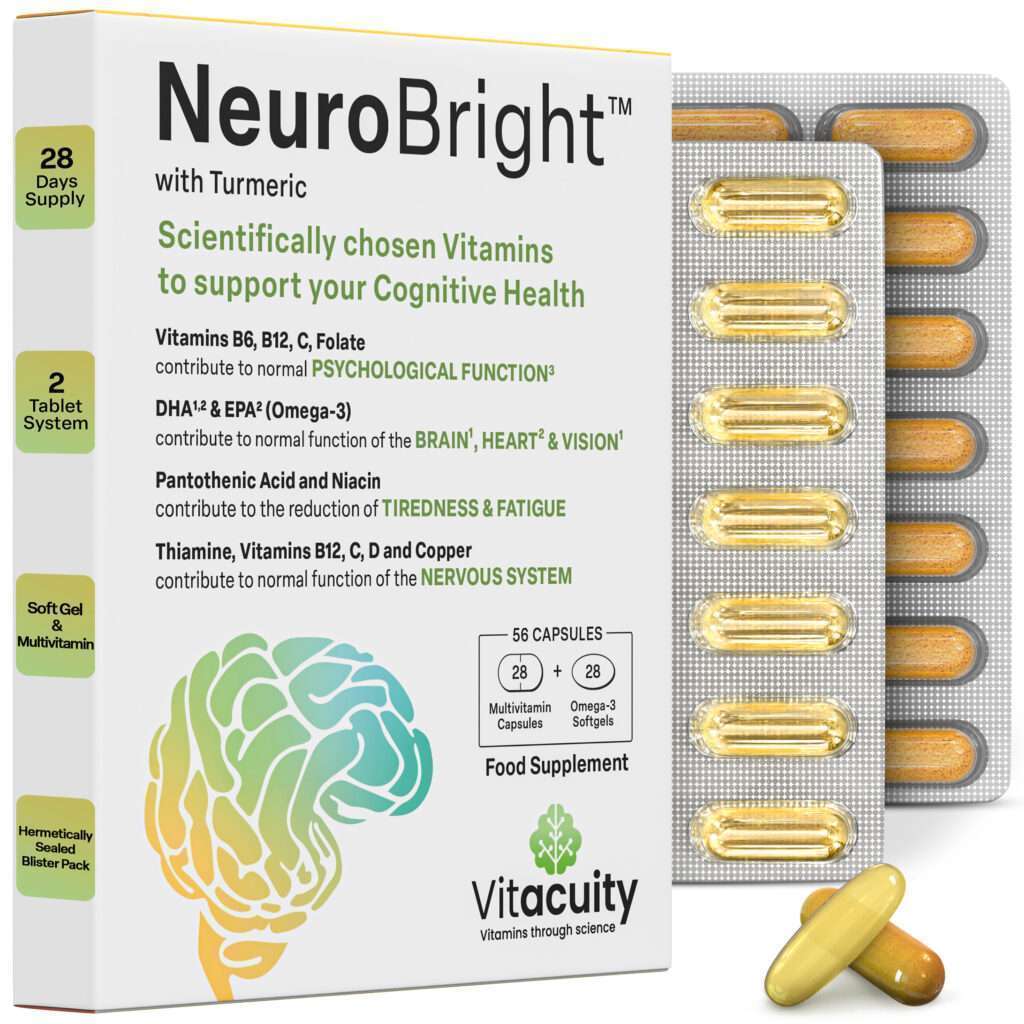
Free guide: The research behind brain health supplements
Plus our weekly research digest — straight to your inbox.
Just leave your email address.