Why Air Pollution Accelerates Cognitive Decline — And What You Can Do About It
Quick Read Tiny air pollution particles (PM2.5) from traffic and burning fuel are small enough to enter your bloodstream and
We write a new article on supplements every day , all detailed, with citations.
Once a week we send an email containing a list of the last 7 days articles. Please sign up and also feel free to share the articles with friends and family who you think might benefit.
Simon Parrott – Vitacuity Ltd
GABA is your brain’s natural “braking” chemical that tells your nervous system to calm down. Chronic stress depletes it, which ripples into poor sleep, weakened immunity, and anxiety. Recent human studies suggest that taking GABA as a supplement can shift your brain waves toward relaxation, improve sleep quality, boost heart rate variability, and reduce anxiety scores, though the studies are small and we don’t fully understand how oral GABA reaches the brain.
A promising 2025 trial found that a probiotic strain producing GABA in your gut reduced anxiety in 68% of participants after six weeks. Plant-based options like ashwagandha, valerian, and passionflower also appear to support GABA function. The evidence isn’t bulletproof yet, but multiple research pathways all point the same direction: supporting your brain’s natural stress-management system through supplementation, probiotics, and lifestyle is reasonable and safe.
The main unknowns are whether oral GABA truly crosses the blood-brain barrier, optimal dosing for different people, and long-term effects beyond six to twelve weeks. Most human trials involved fewer than 30 participants and lasted under three months. Despite these gaps, GABA supplementation at standard doses appears safe with no serious side effects reported.
Verdict: GABA supplementation shows genuine promise for stress and anxiety based on small human trials and a clear biological mechanism, but larger and longer studies are needed before claiming it as proven.
What if the reason you feel wired, anxious and unable to switch off isn’t a character flaw, a lack of willpower, or simply “modern life”, but a measurable imbalance in one of your brain’s most fundamental chemical systems? What if the same neurotransmitter that pharmaceutical companies have been targeting for decades with sedatives and anti-anxiety drugs is something your own body is supposed to produce naturally, and that chronic stress is quietly depleting it?
GABA, gamma-aminobutyric acid, is your brain’s primary braking system. It’s the chemical that tells your nervous system to slow down, stop firing so rapidly, and come back to baseline. And the evidence is growing that when stress chronically disrupts this system, the ripple effects extend far beyond feeling a bit anxious. We’re talking about sleep quality, immune function, heart rate variability, and potentially even your gut microbiome. Vitacuity has reviewed over 1.7 million research papers and selected the most relevant ones on this topic. Here’s what the science actually shows, including where it’s strong, where it’s promising, and where we genuinely don’t know enough yet.
To understand why GABA matters so much, you need a quick tour of how your brain manages stress. When you perceive a threat, whether it’s a deadline, a difficult conversation, or just a relentless mental to-do list, your brain’s alarm system fires up. The amygdala (your brain’s threat-detection centre) sends signals that cascade through your nervous system, triggering the release of cortisol and adrenaline. This is useful in short bursts. The problem is when it never quite switches off.
GABA is the chemical that’s supposed to apply the brakes. It’s classified as an inhibitory neurotransmitter, which means its job is to reduce the electrical excitability of neurons, essentially quietening the signal. Research confirms that GABAergic activity (GABA’s activity in the brain) is reduced in people with anxiety disorders, and that the circuits most affected include the amygdala and the prefrontal cortex, precisely the regions involved in emotional regulation and stress response [10].
What makes this particularly interesting is the emerging picture of the gut-brain axis. Your gut bacteria don’t just digest food, certain strains actively produce GABA, and this gut-derived GABA appears to communicate with your central nervous system through the vagus nerve and other pathways. This means your stress response and your GABA levels may be shaped, in part, by what’s happening in your microbiome, a finding that’s opening up entirely new avenues of research [2].
The molecular machinery is also more nuanced than scientists once thought. GABA doesn’t act on just one receptor, it acts on several subtypes, including GABA-A receptors (the target of benzodiazepines) and GABA-B receptors. Chronic stress appears to dysregulate these receptor systems in complex ways, and individual neurons in the amygdala can be affected very differently, some losing GABA sensitivity while others compensate [12].
One of the most frequently cited early human studies on oral GABA supplementation comes from a 2006 Japanese study published in Amino Acids [7]. Thirteen volunteers were given either water, GABA, or L-theanine, and their brain waves were measured via EEG 60 minutes later.
The results were notable: GABA supplementation significantly increased alpha brain waves, associated with relaxed, calm alertness, while simultaneously decreasing beta waves, which are associated with active, stressed thinking. This shift in the alpha-to-beta ratio is the kind of pattern you’d see in someone who has just meditated or genuinely unwound.
In a second part of the same study, eight people with acrophobia (fear of heights) crossed a suspension bridge, a deliberately stressful experience. Half received GABA beforehand, half received a placebo. The placebo group showed a marked drop in salivary immunoglobulin A (IgA), an antibody that acts as a frontline immune defence and which drops sharply under acute stress. The GABA group maintained significantly higher IgA levels throughout. In other words, GABA appeared to buffer not just the psychological experience of stress, but its measurable immune consequences.
Evidence grade: Promising, but be honest. This is a small study (13 and 8 participants respectively), conducted in Japan in 2006. The sample sizes are too small to draw firm conclusions, and replication in larger trials is needed. That said, it’s genuinely interesting early human data.
A more recent and methodologically stronger human trial, published in 2024, looked at 30 sedentary women with overweight or obesity who were starting an exercise programme [15]. Half received 200mg of oral GABA daily for 90 days; half received a placebo. Both groups exercised.
By the end of the 90 days, the GABA group showed: – Improved sleep efficiency, measured by reductions in Pittsburgh Sleep Quality Index (PSQI) scores – Reduced negative emotional affect, a measurable improvement in emotional response – Lower depression scores on the DASS-21 scale (Depression, Anxiety and Stress Scale) – Increased heart rate variability (HRV), specifically, greater parasympathetic nervous system activity, which is the “rest and digest” branch that is the physiological opposite of the stress response
HRV is a particularly meaningful marker here. Higher HRV is associated with better stress resilience and cardiovascular health. The fact that GABA supplementation was associated with a shift toward parasympathetic dominance suggests it may be working on the autonomic nervous system, not just subjective feelings.
Evidence grade: Promising. This is a randomised, double-blind, placebo-controlled trial, the right methodology. But 30 participants is a small sample, the population was specific (sedentary overweight women), and the exercise variable makes it harder to isolate GABA’s effect alone. Encouraging, but needs replication in broader populations.
Perhaps the most clinically compelling finding in our research review comes from a 2025 randomised, double-blind, placebo-controlled trial investigating *Lactiplantibacillus plantarum* Lp815, a bacterial strain that produces GABA in the gut [2].
83 adults with mild to moderate anxiety (average age 39) were randomly assigned to receive either a placebo, 1 billion CFU, or 5 billion CFU of the probiotic daily for six weeks. The results at the higher dose were striking:
– At weeks 4 and 6, participants receiving 5 billion CFU showed significantly lower anxiety scores on the GAD-7 (a validated clinical anxiety measure) compared to placebo – 68% of the 5 billion CFU group improved by more than one category on the GAD-7, for example, moving from moderate anxiety to no anxiety, compared to just 26% in the placebo group – This difference was highly statistically significant (p = 0.002) – No serious adverse events occurred
The dose-response pattern is notable too: the 1 billion CFU group showed only 37% improvement, sitting between placebo and the higher dose. This kind of dose-dependent response strengthens the biological plausibility of the finding.
Evidence grade: Promising, approaching strong. This is a well-designed RCT with a clinically meaningful outcome. The sample size (83 participants) is still relatively modest, and the six-week duration means we don’t know what happens beyond that. But the results are genuinely encouraging and the trial was IRB-approved and registered with ClinicalTrials.gov.
A 2025 mouse study examined the effects of oral GABA supplementation (at 10mg/kg and 20mg/kg) in animals subjected to chronic restraint stress, a well-validated animal model of anxiety [4]. After 14 days, the GABA-supplemented mice showed:
– Significantly reduced anxiety-like behaviours in elevated-plus maze and open-field tests – Higher GABA levels in the prefrontal cortex (measured via ELISA) – Elevated levels of anti-inflammatory cytokines IL-10 and TGF-β1 – Reversal of complement pathway dysregulation, a part of the immune system increasingly linked to neuroinflammation
This last finding is particularly interesting. The complement system is part of the innate immune response, and its dysregulation has been linked to anxiety and neurodegenerative conditions. The suggestion that oral GABA might modulate neuroinflammation through this pathway adds a new mechanistic layer to the story.
Evidence grade: Early stage. This is animal research only. Promising mechanistic data, but human trials specifically investigating GABA’s anti-inflammatory effects are needed before we can say anything definitive about this pathway in people.
Two 2025 mouse studies [1] and [13] (noting these appear to be the same study published in the same paper) examined the effects of fermented brown rice, produced using *Limosilactobacillus reuteri*, on stressed mice over four weeks.
The results showed that this fermented food: – Reduced corticosterone levels (the stress hormone equivalent of cortisol in mice) – Restored GABA and serotonin levels that had been depleted by chronic mild stress – Improved anxiety-related behaviours in behavioural tests – Shifted the gut microbiome profile back toward that of non-stressed mice – Enhanced short-chain fatty acid (SCFA) production, compounds that communicate between gut and brain – Modulated GABA receptor gene expression
The key bioactive compounds identified included quercetin, GABA itself, glutamic acid, phenylalanine, and ferulic acid, suggesting the effect is driven by multiple compounds working together rather than GABA alone.
Evidence grade: Early stage. This is animal research. The gut-brain-GABA connection is a genuinely fascinating emerging area, but the leap from stressed mice to stressed humans is a large one. The direction of the findings aligns with the human probiotic data, which adds some credibility to the mechanistic story.
A 2018 systematic review in *Phytotherapy Research* identified ten plant-based medicines with both preclinical GABA-modulating activity and human clinical trial data [6]. These included: kava, valerian, passionflower, ashwagandha, lemon balm, chamomile, Ginkgo biloba, hops, pennywort, and skullcap.
The review found that collectively, these herbs showed comparative anxiolytic effects to pharmaceutical options, with generally good safety and tolerability profiles. Most appear to work either as GABA receptor agonists (binding to GABA receptors and mimicking GABA’s effect) or by boosting endogenous GABA levels.
A complementary 2009 review [8] noted similar findings, adding theanine (found in green tea), tryptophan, and 5-HTP to the list of supplements showing relaxation and GABA-related effects. Meanwhile, a 2006 animal study found that EGCG, the major antioxidant in green tea, suppressed stress responses in chicks through GABA-A receptor pathways, though this effect was blocked by a GABA-A antagonist, confirming the mechanism [11].
Evidence grade: Promising to Traditional, varying by herb. Kava has the strongest human trial evidence for anxiety reduction. Others like valerian and lemon balm have meaningful but smaller bodies of evidence. The GABA mechanism is biologically plausible and consistent across the herbs, but individual herb quality and the size of clinical trials varies considerably.
A 2024 review published in *Biochemical and Biophysical Research Communications* provides important mechanistic context [10]. It consolidates evidence showing that:
– Decreased GABAergic activity is present in both anxiety disorders and severe depression – Brain imaging in depressed individuals shows reduced GABA levels in cortical regions – The amygdala and prefrontal cortex, the core stress-regulation circuits, are most affected
A 2022 study [12] using a chronic social defeat stress model in mice added important nuance: the dysregulation of GABA in the amygdala isn’t uniform. Different neurons are affected in different ways, some losing GABA sensitivity at extrasynaptic receptors, others compensating. This heterogeneity may explain why individual responses to stress, and to GABA-targeting interventions, vary so much between people.
Evidence grade: Strong for the basic mechanism (GABA is disrupted by stress and reduced in anxiety disorders); Early stage for the individual circuit-level details.
Let’s be honest about the gaps, and there are significant ones.
The big unanswered question: does oral GABA cross the blood-brain barrier? The blood-brain barrier is a highly selective filter that prevents many molecules from entering the brain. There’s genuine scientific debate about whether orally supplemented GABA can cross this barrier in meaningful amounts. Some researchers argue that at least some of GABA’s effects may occur peripherally (outside the brain), acting on gut receptors and the vagus nerve, rather than directly in the brain itself [9]. The 2006 EEG study [7] showing changes in brain waves after oral GABA suggests *something* is happening centrally, but the mechanism isn’t fully resolved.
The gut-brain pathway is promising but not proven in humans. The idea that gut bacteria producing GABA can meaningfully influence brain chemistry is compelling and biologically plausible, but most of the direct evidence is from animal studies [1]. The human probiotic trial [2] is encouraging, but we’re at the early stages of understanding this pathway.
Most human trials are small and short. The two direct human supplementation studies [7, 15] involved 13–30 participants. We need larger, longer trials across more diverse populations before we can make confident claims about optimal dosing, long-term effects, or who benefits most.
We don’t know the optimal dose. The mouse studies used doses of 10–20mg/kg [4], which doesn’t translate directly to human dosing. The human trial used 200mg/day [15]. Whether higher or lower doses perform better in different populations is unknown.
GABA-enriched teas are complicated. A 2020 review noted that GABA-enriched teas also alter levels of EGCG, caffeine, and theanine during anaerobic processing, all of which have their own neurological effects [9]. Disentangling GABA’s specific contribution in these products is difficult.
The research has mostly studied anxious or stressed populations. We don’t know how much GABA supplementation affects people with normal baseline anxiety levels, or whether there’s a ceiling effect.
Here’s what a sensible, well-informed person should take from all of this.
GABA is not hype. It is your brain’s genuine primary inhibitory system, and there is clear mechanistic evidence that chronic stress disrupts it. The human evidence for oral GABA supplementation is promising but not yet definitive, small studies showing real effects across sleep, mood, HRV and anxiety measures, but not yet the large-scale RCT evidence that would make us say “this is proven.” That’s an honest assessment, and it matters.
That said, here’s how to think about this practically:
1. Look at the convergence of evidence. Multiple lines of research, direct GABA supplementation studies, GABA-producing probiotic trials, GABA-modulating herbs, and mechanistic research on stress and anxiety, all point in the same direction. That convergence means something, even if no single study is definitive.
2. GABA supplementation at normal doses appears safe. The trials reviewed found no serious adverse events at doses up to 200mg/day for 90 days [15]. If you’re dealing with everyday stress, anxiety, or sleep disruption, the risk/benefit calculation is favourable at standard doses, especially given how common GABA dysregulation is in stressed adults.
3. The gut-brain angle is worth taking seriously. The 2025 probiotic trial [2] is one of the most practically useful findings here: a GABA-producing strain of *L. plantarum* at 5 billion CFU for 6 weeks produced clinically meaningful anxiety reduction in 68% of participants. A daily probiotic of this kind is low-cost, low-risk and increasingly accessible.
4. Support your GABA system through multiple pathways. GABA isn’t just a supplement, it’s a system. Physical exercise, quality sleep, and reducing chronic stress inputs all support GABAergic function. The 2024 trial [15] was conducted in women undertaking exercise, and the combination appeared effective. You don’t have to choose one approach.
5. Consider GABA-modulating herbs with good evidence profiles. Herbs like ashwagandha, lemon balm, passionflower, and valerian have GABA-modulating mechanisms supported by both preclinical and human data [6, 8]. These are practical, accessible additions to a stress-support routine.
6. GABA is water-soluble. Excess is excreted. Daily supplementation at standard doses is safe and practical, you don’t need to test your GABA levels before starting (there’s no widely available, practical clinical test for this anyway).
The bottom line? Your brain has a natural system for managing stress, and chronic modern life is putting it under sustained pressure. The research, while not complete, points clearly toward GABA as a meaningful piece of that picture. Supporting it through supplementation, probiotics, and lifestyle isn’t a leap of faith. It’s a reasonable, evidence-informed response to a well-understood problem.
[1] Limosilactobacillus reuteri fermented brown rice alleviates anxiety, improves cognition and modulates gut microbiota in stressed mice (2025). DOI: 10.1038/s41538-025-00369-z | https://pubmed.ncbi.nlm.nih.gov/39799113/ | https://www.ncbi.nlm.nih.gov/pmc/articles/PMC11724862/
[2] Lactiplantibacillus plantarum Lp815 decreases anxiety in people with mild to moderate anxiety: a direct-to-consumer, randomised, double-blind, placebo-controlled study (2025). DOI: 10.1163/18762891-bja00073 | https://pubmed.ncbi.nlm.nih.gov/40312029/
[4] Long-term GABA supplementation mitigates anxiety by modulating complement and neuroinflammatory pathways (2025). DOI: 10.1038/s41538-025-00423-w | https://pubmed.ncbi.nlm.nih.gov/40274802/ | https://www.ncbi.nlm.nih.gov/pmc/articles/PMC12022253/
[6] GABA-modulating phytomedicines for anxiety: A systematic review of preclinical and clinical evidence (2018). https://pubmed.ncbi.nlm.nih.gov/29168225/
[7] Relaxation and immunity enhancement effects of gamma-aminobutyric acid (GABA) administration in humans (2006). https://pubmed.ncbi.nlm.nih.gov/16971751/
[8] Formulations of dietary supplements and herbal extracts for relaxation and anxiolytic action: Relarian (2009). https://pubmed.ncbi.nlm.nih.gov/19865069/
[9] GABA-enriched teas as neuro-nutraceuticals (2020). DOI: 10.1016/j.neuint.2020.104895 | https://pubmed.ncbi.nlm.nih.gov/33144101/
[10] GABAergic implications in anxiety and related disorders (2024). DOI: 10.1016/j.bbrc.2024.150218 | https://pubmed.ncbi.nlm.nih.gov/38865810/
[11] (-)-Epigallocatechin gallate attenuates acute stress responses through GABAergic system in the brain (2006). DOI: 10.1016/j.ejphar.2005.12.024 | https://pubmed.ncbi.nlm.nih.gov/16457806/
[12] GABA, Dysregulated GABAergic inhibition in the amygdala under chronic social defeat stress (2022). https://pubmed.ncbi.nlm.nih.gov/36545966/
[15] GABA Supplementation, Increased Heart-Rate Variability, Emotional Response, Sleep Efficiency and Reduced Depression in Sedentary Overweight Women Undergoing Physical Exercise: Placebo-Controlled, Randomized Clinical Trial (2024). https://pubmed.ncbi.nlm.nih.gov/38321713/
This article is for informational purposes only and does not constitute medical advice. Food supplements should not be used as a substitute for a varied and balanced diet and healthy lifestyle. If you are pregnant, breastfeeding, taking medication or have a medical condition, consult your doctor before taking any supplement. These statements have not been evaluated by the Food and Drug Administration (FDA) or the Medicines and Healthcare products Regulatory Agency (MHRA). This product is not intended to diagnose, treat, cure, or prevent any disease.
Quick Read Tiny air pollution particles (PM2.5) from traffic and burning fuel are small enough to enter your bloodstream and
Quick Read Saffron contains compounds called crocin and crocetin that appear to protect memory and slow cognitive decline through multiple
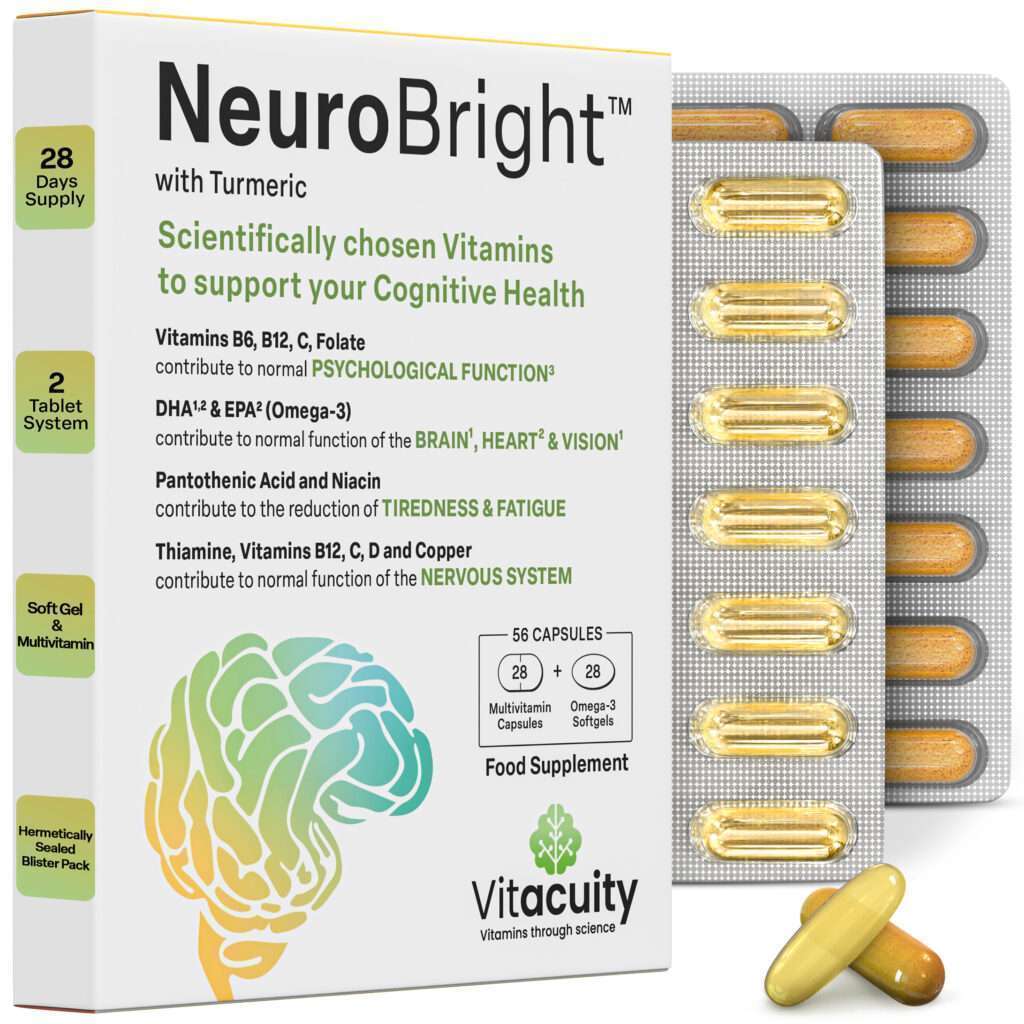
Free guide: The research behind brain health supplements
Plus our weekly research digest — straight to your inbox.
Just leave your email address.