The Supplement Timing Question — Does When You Take Them Actually Matter?
Quick Read When you take supplements matters far less than whether you take them consistently. Most supplements work by building
We write a new article on supplements every day , all detailed, with citations.
Once a week we send an email containing a list of the last 7 days articles. Please sign up and also feel free to share the articles with friends and family who you think might benefit.
Simon Parrott – Vitacuity Ltd
Your brain has a protective barrier made of specialized cells and proteins that controls what enters and exits. This barrier weakens as you age, starting in middle age and progressing quietly. When it breaks down, toxins and inflammatory molecules leak into brain tissue while beneficial nutrients like omega-3 fatty acids are transported less efficiently. Recent MRI studies confirm this happens in real people and connects directly to memory problems and Alzheimer’s disease risk.
The strongest evidence for nutritional protection comes from omega-3 fatty acids like those found in oily fish. A study of 45 older adults found higher omega-3 levels were linked to better barrier integrity and better memory and thinking skills. Vitamin C also shows promise from animal research, as it protects against oxidative damage that degrades the barrier. However, human clinical trials proving these supplements prevent cognitive decline are still lacking.
You can act now with low-cost, safe interventions. Eating oily fish two to three times weekly, or taking a daily fish oil supplement providing 500 to 1,000mg of combined EPA and DHA, is supported by current evidence. Vitamin C supplementation at 500 to 1,000mg daily is also safe and biologically sensible. More importantly, the lifestyle factors that protect your heart also protect your brain’s barrier: regular exercise, a Mediterranean-style diet, good sleep, and stress management all reduce the inflammation that damages this system.
Verdict: Your brain’s protective barrier weakens with age in ways that matter for memory and dementia risk, but omega-3 fatty acids and basic lifestyle changes can help protect it, even though definitive human proof of prevention is still being gathered.
There’s a structure in your brain so sophisticated that it has its own dedicated immune checkpoint, its own transport system, and its own repair crew. It decides what gets into your brain and what doesn’t. It keeps toxins out, lets nutrients in, and maintains the delicate chemical environment your neurons need to fire properly. It’s called the blood-brain barrier, and most people have never heard of it. Here’s the thing that should get your attention: it starts deteriorating in middle age. Not dramatically, not all at once, but quietly and progressively, and that slow erosion may be one of the most important, least-discussed drivers of cognitive decline. The better question isn’t whether this is happening to you. It almost certainly is. The better question is: what can you actually do about it?
Think of the blood-brain barrier (BBB) as the most sophisticated border control system in the body. Your brain is perfused by roughly 400 miles of blood vessels, but the cells lining those vessels aren’t like ordinary blood vessel cells elsewhere in the body. Brain endothelial cells (the cells that line your cerebral blood vessels) are sealed together by specialised proteins called tight junction proteins. These molecular seals, with names like claudin-5 and ZO-1, form an almost impermeable wall that prevents random molecules, pathogens, and immune cells from wandering freely into brain tissue [1].
Supporting the endothelial cells are pericytes (which help regulate blood flow and vessel integrity), astrocytes (star-shaped brain cells that provide structural and chemical support), and microglia (the brain’s resident immune cells). Together, these form what researchers call the neurovascular unit (NVU), a coordinated team that maintains the BBB and keeps your brain environment stable [8].
When the BBB works well, your brain is protected from the chaos of the peripheral circulation, the fluctuating blood sugar, the passing pathogens, the inflammatory signals. When it starts to fail, that protection leaks away, sometimes literally. Proteins and immune cells that should stay in the blood begin seeping into brain tissue, triggering inflammation. Waste products that should be cleared from the brain accumulate. And critically, the nutrients your brain needs, including essential fatty acids like DHA, start to be transported less efficiently [1][10].
The research is increasingly clear: this process begins earlier than we think, accelerates through middle age, and is measurable, right now, in living humans, using advanced MRI techniques [3][5].
One of the most significant discoveries in recent BBB research is that the endothelial cells lining brain microvessels appear to be uniquely vulnerable to ageing. A 2025 mouse study published by Csiszar and colleagues found that brain endothelial cells undergo senescence, a state where cells stop dividing but don’t die, instead secreting inflammatory signals, at a significantly higher rate and earlier than other brain cell types [4].
This matters enormously. Senescent endothelial cells don’t just stop working properly, they actively damage the tissue around them, releasing what’s called a senescence-associated secretory phenotype (SASP): a cocktail of inflammatory molecules that degrades tight junction proteins, impairs blood flow regulation, and accelerates the very deterioration they’re part of. In the mice studied, this microvascular endothelial senescence was directly associated with BBB disruption, reduced microvascular density (meaning fewer functioning blood vessels in the brain), impaired neurovascular coupling (the brain’s ability to direct blood flow to where it’s needed), and declining cognitive performance [4].
Evidence grade: Early stage, this is mouse data, not human trials. But the mechanisms identified are biologically plausible and consistent with human observational data on vascular ageing.
Intriguingly, the study also found that senolytic treatments, drugs that selectively clear senescent cells, improved BBB integrity, vascular density, and cognitive performance in aged mice. And the timing mattered: treatment was most effective in middle-aged mice, suggesting that earlier intervention has a greater protective effect [4]. This is early-stage research, but the principle, act before the damage compounds, is one worth keeping in mind.
The molecular hallmarks of BBB ageing are becoming well characterised. Oxidative stress, the accumulation of unstable molecules called free radicals that damage cellular machinery, is a central driver. As we age, the brain’s endothelial cells become increasingly exposed to oxidative stress, which degrades the tight junction proteins that form the BBB’s molecular seals [1].
Two molecular players are particularly important here. Matrix metalloproteinases (MMPs) are enzymes that break down the structural proteins supporting the BBB, think of them as molecular scissors that, in excess, cut away the scaffolding. The NLRP3 inflammasome is an inflammatory signalling complex that, once activated in ageing endothelial cells, triggers a cascade of neuroinflammation that further degrades barrier integrity [1].
The result is a vicious cycle: oxidative stress damages tight junctions → immune cells infiltrate through the weakened barrier → neuroinflammation increases → more oxidative stress → further BBB breakdown [2][10]. Chronic, low-grade inflammation in an ageing body feeds directly into this cycle, which is one reason why systemic health and brain health are so closely linked.
For years, BBB research was largely confined to animal models and post-mortem brain studies. That’s changing rapidly. A 2025 multimodal MRI study compared 12 younger adults (average age 26) with 18 older adults (average age 75) using three different advanced imaging techniques simultaneously [3].
The findings were striking. Older adults showed: – Reduced whole-brain water exchange rate across the BBB (p=0.021), meaning the BBB was functioning less efficiently as a selective barrier – Increased free water in white matter (p=0.002), a sign of fluid leaking into brain tissue – Reduced glymphatic function (p<0.001), the brain's waste-clearance system was also impaired [3]
The glymphatic system deserves a mention here. It’s a network of channels around blood vessels in the brain, sometimes called the brain’s lymphatic system, that flushes out metabolic waste products, including the amyloid-beta proteins associated with Alzheimer’s disease. The MRI data showed that BBB integrity and glymphatic function are closely linked: as one degrades, so does the other [3].
Evidence grade: Promising, this is human data, but the sample size is small (30 participants) and cross-sectional (a snapshot in time, not a long-term follow-up). The findings are consistent with prior animal research and provide important proof-of-concept that these changes are real and measurable in humans.
A separate 2025 study using dynamic contrast-enhanced MRI in cognitively normal older adults found that greater BBB disruption in the hippocampus, the brain’s memory hub, was directly linked to worse episodic memory performance [5]. Notably, this relationship held independently of amyloid-beta and tau accumulation, suggesting that BBB disruption contributes to memory decline through its own distinct pathway, not merely as a downstream consequence of Alzheimer’s pathology [5].
Evidence grade: Promising, human MRI data with longitudinal biomarker measurements, though sample sizes are not reported in detail in the available abstract.
The most compelling nutritional evidence for BBB protection comes from omega-3 fatty acids, specifically the long-chain omega-3s EPA and DHA found in oily fish and fish oil supplements.
A 2021 human study published in *Brain and Behavior* recruited 45 healthy older adults with a mean age of 76 and measured both their omega-3 levels and their BBB integrity using MRI [7]. The researchers found a significant association between higher omega-3 levels and better BBB integrity, as well as better performance across multiple cognitive tests including verbal learning, memory, processing speed, and executive function. This was the first study to directly demonstrate an association between omega-3 status and BBB integrity measured by MRI in living older humans [7].
Evidence grade: Promising, this is an observational study (not a randomised controlled trial), and 45 participants is a small sample. Association does not prove causation. But it’s human data, it uses direct BBB measurement, and it aligns with the mechanistic picture from animal studies.
Here’s something that isn’t widely known: DHA, the omega-3 most critical for brain structure and function, doesn’t just diffuse passively into the brain. It has to be actively transported across the BBB by dedicated protein carriers, most importantly one called MFSD2A [11].
A 2023 mouse study found that ageing significantly reduces brain uptake of DHA, and that this reduction correlates directly with decreased expression of the MFSD2A transporter in brain microvasculature. In 12- and 24-month-old mice (equivalent to middle-aged and old humans), DHA uptake was significantly lower than in young mice, and MFSD2A protein levels had fallen substantially [11].
This creates a compound problem as we age: the brain needs DHA to maintain membrane integrity and dampen neuroinflammation, but the ageing BBB becomes progressively less efficient at importing it. Simply eating more oily fish may not be enough, the transport system itself needs support [11][14].
Evidence grade: Early stage, this is mouse data. The human implications are plausible but not yet directly confirmed in human trials.
A 2024 review in *Brain, Behavior, and Immunity* synthesised the mechanistic evidence for omega-3s and BBB integrity [13]. The key pathways identified:
1. Anti-inflammatory action: DHA and EPA reduce the production of pro-inflammatory signalling molecules (cytokines and prostaglandins) that degrade tight junction proteins 2. Membrane stabilisation: As essential components of cell membranes, omega-3s help maintain the structural integrity of endothelial cell membranes 3. Glymphatic support: Omega-3s appear to support the glymphatic system, the brain’s waste-clearance network, which is closely coupled to BBB function 4. Amyloid-beta clearance: Omega-3s may help facilitate clearance of amyloid-beta proteins through both the glymphatic pathway and direct BBB transport mechanisms [13]
The same review, and a 2021 companion paper on lipid transport across the BBB, noted that the precise mechanisms by which omega-3s cross the BBB in humans remain incompletely understood, a genuine gap in the science that deserves acknowledgement [13][14].
A 2023 mouse study investigated a stabilised form of vitamin C (called NXP032, a vitamin C bound to a DNA aptamer to prevent oxidative degradation) in aged mice [9]. After 8 weeks of daily oral treatment, aged mice showed: – Reduced BBB damage (measured by microvessel fragmentation) – Preserved expression of tight junction proteins (ZO-1 and laminin) – Reduced activation of astrocytes and microglia (markers of neuroinflammation) – Better performance on spatial memory tests compared to untreated aged mice [9]
The study authors propose that oxidative stress is a primary driver of neurovascular ageing, and that sufficient antioxidant protection, particularly vitamin C, can slow this process by protecting the endothelial cells and supporting tight junction protein integrity [9].
Evidence grade: Early stage, this is mouse data using a specialist stabilised form of vitamin C, not standard ascorbic acid. The findings support the biological role of antioxidants in BBB protection but cannot be directly applied to standard vitamin C supplementation in humans without further trials.
A comprehensive 2024 review examined the relationship between BBB dysfunction and Alzheimer’s disease in detail [10]. The key finding: BBB breakdown is not just a consequence of Alzheimer’s disease, it appears to be a contributor to it, through several converging mechanisms:
– Reduced clearance of amyloid-beta (the protein that forms the plaques central to Alzheimer’s pathology) across the BBB – Increased neuroinflammation driven by immune cell infiltration through the leaky barrier – Impaired glucose transport to neurons (the brain runs almost exclusively on glucose, and BBB transporters are critical for its delivery) – Accumulation of toxic molecules in brain tissue that a healthy BBB would exclude [10]
The 2025 human MRI study mentioned earlier reinforced this picture: faster tau accumulation in the entorhinal cortex (an early marker of Alzheimer’s pathology) was associated with greater BBB disruption in the hippocampus, independent of amyloid changes [5]. This suggests the BBB and Alzheimer’s pathology are intertwined rather than simply sequential.
Evidence grade: Promising (for the BBB-Alzheimer’s link), the mechanistic case is strong and consistent across multiple study types, but direct causal evidence in humans (i.e., randomised trials showing that BBB protection reduces Alzheimer’s risk) does not yet exist.
A 2019 study added another piece to the puzzle [15]. Researchers found that an enzyme called acid sphingomyelinase (ASM), produced by endothelial cells, is elevated in the brains and blood of both aged humans and aged mice, and that elevated ASM directly causes BBB leakage by increasing a process called caveolae-mediated transcytosis (essentially, the formation of tiny transport bubbles that ferry molecules across the endothelial barrier, bypassing the tight junctions).
When ASM was genetically inhibited in mice, BBB disruption improved and neurocognitive function was preserved during ageing [15]. This identifies ASM as a potential therapeutic target, though we are firmly in early-stage territory here, with no human therapeutic trials conducted.
Evidence grade: Early stage, animal and human observational data only.
Honesty matters here, so let’s be direct about the gaps.
The human clinical trial evidence for BBB-protective supplements is thin. Almost all the mechanistic evidence for nutrients like vitamin C comes from animal studies. The omega-3 human data is the most developed, but even the best study in our dataset had only 45 participants and was observational, meaning it cannot prove that omega-3s caused better BBB integrity, only that the two are associated [7].
We don’t know the optimal doses. The human omega-3 study measured blood PUFA levels rather than testing specific supplement doses, so we can’t currently say “take X mg of DHA per day to protect your BBB.” The animal studies use doses and delivery mechanisms that don’t directly translate to human supplementation [7][11].
The DHA transport problem is unresolved. The discovery that ageing reduces MFSD2A expression, the transporter that carries DHA into the brain, is important but comes entirely from mouse data [11]. We don’t know how directly this translates to humans, what the magnitude of the effect is across the lifespan, or whether dietary omega-3 intake can compensate for reduced transport efficiency.
Vitamin C research used a specialist form, not standard supplements. The NXP032 study used a DNA aptamer-stabilised version of vitamin C specifically designed to resist oxidation, it’s not standard ascorbic acid [9]. Whether regular vitamin C supplementation replicates these BBB-protective effects in humans is unknown.
Causality versus correlation remains unproven in humans. The MRI studies show that BBB disruption correlates with cognitive decline, but whether protecting the BBB would actually prevent or slow that cognitive decline in humans hasn’t been tested in a randomised controlled trial [3][5]. This is the critical missing experiment.
The senolytic research is early. The finding that clearing senescent endothelial cells improves BBB function and cognition in mice is genuinely exciting, but it’s mouse data, and the interventions studied (ganciclovir, navitoclax) are not available as over-the-counter supplements [4].
Here’s what a sensible, well-informed person should take from all of this.
The evidence that the blood-brain barrier weakens with age, and that this matters for cognitive health, is strong and mechanistically coherent. Multiple imaging studies in humans confirm it’s real and measurable. The connection to memory, Alzheimer’s pathology, and neuroinflammation is increasingly well-supported, even if direct causal trials in humans are still lacking.
So what can you actually do, right now, with the evidence available?
1. Prioritise omega-3s, and make them consistent. This is the most evidence-backed nutritional intervention for BBB health in humans [7][13]. Oily fish (mackerel, sardines, salmon, herring) two to three times per week is the dietary gold standard. If that’s not realistic, and for many people it isn’t, a quality fish oil supplement providing at least 500–1,000mg combined EPA+DHA daily is a sensible, safe, and low-cost intervention. Omega-3s are not fat-soluble in the way that vitamin A is, excess long-chain omega-3s are metabolised rather than stored in toxic quantities at normal supplement doses. The risk-benefit calculation here strongly favours supplementation, particularly given the evidence that ageing itself impairs DHA transport into the brain [11].
2. Consider your antioxidant intake seriously. Oxidative stress is a primary driver of BBB deterioration [1][9]. Vitamin C is water-soluble, any excess is simply excreted in urine. There is no meaningful risk of toxicity at standard supplemental doses (500–1,000mg daily). The mouse data for vitamin C and BBB protection used a specialist form, so we can’t directly apply those exact findings, but the biological rationale for antioxidant protection of endothelial cells is sound, and vitamin C is a safe, cheap, and practical daily supplement. Supplement daily; no testing needed.
3. Think about the BBB when you think about inflammation. Everything that drives systemic inflammation, poor sleep, ultra-processed food, physical inactivity, chronic stress, smoking, feeds into the cycle of BBB breakdown [2][10]. This isn’t a reason to feel overwhelmed; it’s a reason to feel empowered. The lifestyle factors that protect your cardiovascular system are largely the same ones that protect your BBB. Regular aerobic exercise, a Mediterranean-style diet rich in oily fish, leafy greens and olive oil, and prioritising sleep (when glymphatic clearance occurs) are all biologically coherent protective strategies given what we know about BBB ageing.
4. Act earlier rather than later. The mouse senolytic data suggests that middle age is the most effective window for intervention, before the damage compounds [4]. If you’re reading this in your 40s or 50s, that’s not a reason for anxiety; it’s useful timing information. The biology supports starting now, not waiting until symptoms appear.
5. Watch this space. The BBB is one of the most active areas of neuroscience research right now. Advanced MRI techniques that can measure BBB integrity non-invasively are becoming more available [3][5]. Blood biomarkers like claudin-5 and PDGFRβ that reflect BBB health are being validated [1]. This field is moving quickly, and practical interventions, including refined omega-3 formulations designed to support DHA transport, are likely to emerge in the coming decade.
The bottom line: you can’t stop ageing, but you can influence how your brain’s most important protective system holds up as you do. The evidence is early in places, promising in others, but the cost of acting on it is low, the safety profile is good, and the downside of doing nothing is increasingly well-documented. That’s a risk-benefit calculation most thoughtful people would make in one direction.
*Vitacuity analysed over 1.77 million research papers and selected the most relevant studies on blood-brain barrier ageing for this article.*
[1] Aging, vascular dysfunction, and the blood-brain barrier: unveiling the pathophysiology of stroke in older adults. (2025). https://pubmed.ncbi.nlm.nih.gov/40044939/
[2] Systemic Rejuvenating Interventions: Perspectives on Neuroinflammation and Blood-Brain Barrier Integrity. (2025). https://pubmed.ncbi.nlm.nih.gov/40035979/
[3] Multimodal MRI Insights into Glymphatic Clearance and Blood-Brain Barrier Integrity in Healthy Aging. (2025). DOI: 10.1101/2025.11.27.690842 | https://pubmed.ncbi.nlm.nih.gov/41409147/ | https://www.ncbi.nlm.nih.gov/pmc/articles/PMC12707278/
[4] Senescent Endothelial Cells in Cerebral Microcirculation Are Key Drivers of Age-Related Blood-Brain Barrier Disruption, Microvascular Rarefaction, and Neurovascular Coupling Impairment in Mice. (2025). https://pubmed.ncbi.nlm.nih.gov/40167015/
[5] Cross-sectional and longitudinal relationships among blood-brain barrier disruption, Alzheimer’s disease biomarkers, and cognition in cognitively normal older adults. (2025). DOI: 10.1016/j.neurobiolaging.2024.11.002 | https://pubmed.ncbi.nlm.nih.gov/39571410/
[7] Omega-3 fatty acids are associated with blood-brain barrier integrity in a healthy aging population. (2021). DOI: 10.1002/brb3.2273 | https://pubmed.ncbi.nlm.nih.gov/34327870/ | https://www.ncbi.nlm.nih.gov/pmc/articles/PMC8413753/
[8] Role of aging in Blood-Brain Barrier dysfunction and susceptibility to SARS-CoV-2 infection: impacts on neurological symptoms of COVID-19. (2022). https://pubmed.ncbi.nlm.nih.gov/35982454/
[9] NXP032 ameliorates cognitive impairment by alleviating the neurovascular aging process in aged mouse brain. (2023). https://pubmed.ncbi.nlm.nih.gov/37237085/
[10] Unveiling the impact of aging on BBB and Alzheimer’s disease: Factors and therapeutic implications. (2024). https://pubmed.ncbi.nlm.nih.gov/38346505/
[11] Aging decreases docosahexaenoic acid transport across the blood-brain barrier in C57BL/6J mice. (2023). https://pubmed.ncbi.nlm.nih.gov/36795730/
[13] Unraveling the impact of Omega-3 polyunsaturated fatty acids on blood-brain barrier (BBB) integrity and glymphatic function. (2024). DOI: 10.1016/j.bbi.2023.10.018 | https://pubmed.ncbi.nlm.nih.gov/37914102/
[14] Lipid Transport and Metabolism at the Blood-Brain Interface: Implications in Health and Disease. (2021). DOI: 10.3389/fphys.2021.645646 | https://pubmed.ncbi.nlm.nih.gov/33868013/ | https://www.ncbi.nlm.nih.gov/pmc/articles/PMC8044814/
[15] Acid sphingomyelinase-mediated blood-brain barrier disruption in aging. (2019). DOI: 10.5483/BMBRep.2019.52.2.033 | https://pubmed.ncbi.nlm.nih.gov/30760383/ | https://www.ncbi.nlm.nih.gov/pmc/articles/PMC6443326/
This article is for informational purposes only and does not constitute medical advice. Food supplements should not be used as a substitute for a varied and balanced diet and healthy lifestyle. If you are pregnant, breastfeeding, taking medication or have a medical condition, consult your doctor before taking any supplement. These statements have not been evaluated by the Food and Drug Administration (FDA) or the Medicines and Healthcare products Regulatory Agency (MHRA). This product is not intended to diagnose, treat, cure, or prevent any disease.
Quick Read When you take supplements matters far less than whether you take them consistently. Most supplements work by building
Quick Read Creatine is known as a muscle supplement, but emerging research suggests it may also boost brain performance. Your
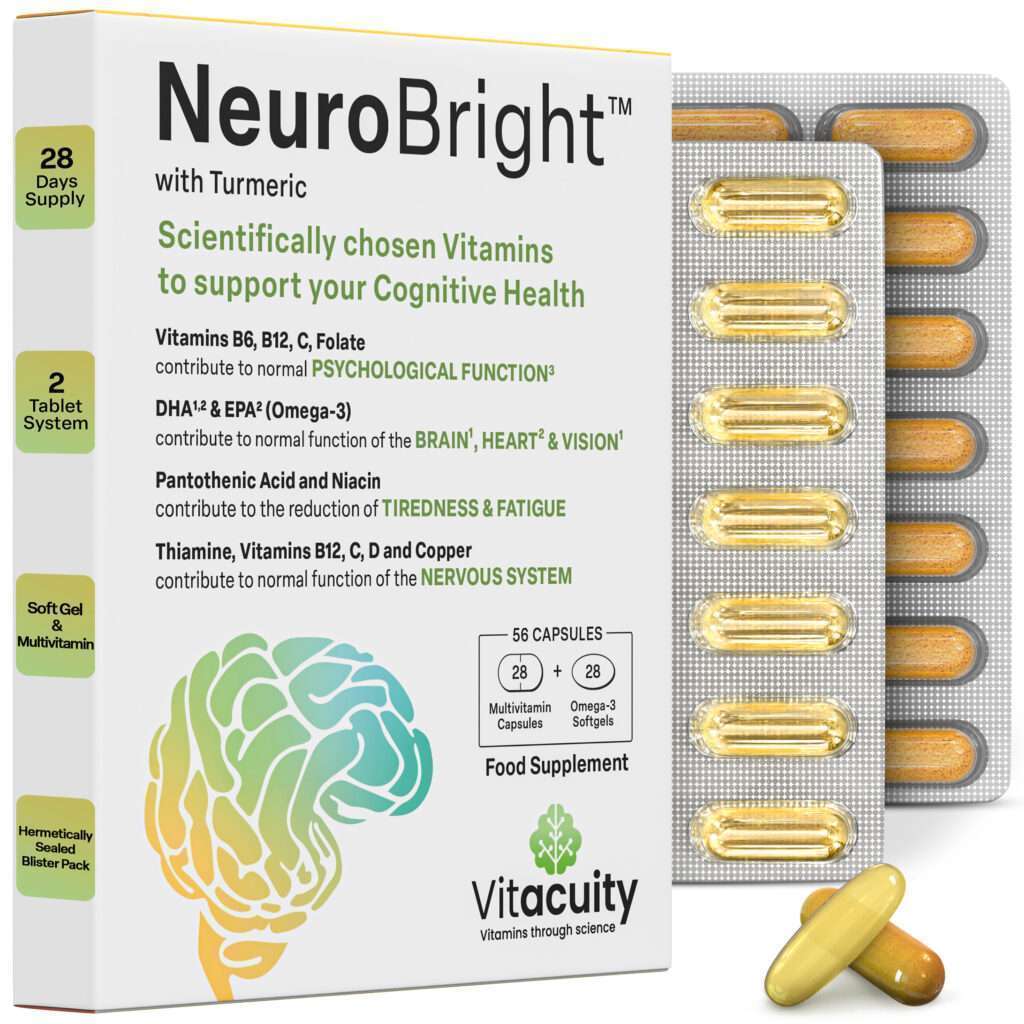
Free guide: The research behind brain health supplements
Plus our weekly research digest — straight to your inbox.
Just leave your email address.