Cold Exposure And Brain Health — What Ice Baths Actually Do To Your Neurons
Quick Read Cold exposure, particularly ice baths, activates a biological stress response called hormesis, where controlled stress triggers the body
We write a new article on supplements every day , all detailed, with citations.
Once a week we send an email containing a list of the last 7 days articles. Please sign up and also feel free to share the articles with friends and family who you think might benefit.
Simon Parrott – Vitacuity Ltd
Vitamin C won’t prevent colds in healthy adults, but it does reduce how severe they are and how long they last by about 15 percent. The exception is people under extreme physical stress, like marathon runners or soldiers, where vitamin C cuts cold rates in half. Your body uses vitamin C to support immune cells and fight damage from infection, and it burns through the supply quickly when you’re ill.
If you take vitamin C when cold symptoms start, higher doses of 6-8 grams per day work better than lower doses, though this isn’t yet a firm clinical recommendation. Special formulations like liposomal vitamin C (encased in a protective bubble) may absorb better than standard supplements, especially at higher doses. Vitamin C is safe, cheap, and excess is simply excreted, so there’s little downside to supplementing.
Vitamin C works best as part of a broader picture of nutrients like vitamin D and zinc, not as a standalone solution. Evidence is conflicting for serious illnesses like COVID-19 and pneumonia in general populations. The research clearly shows vitamin C matters for immune function, particularly for people under stress or with inconsistent diets.
Verdict: Vitamin C is a well-supported immune tool that helps you recover faster from colds and matters most when your immune system is under pressure, though it won’t prevent illness in otherwise healthy people.
You’ve heard it a thousand times: “Take vitamin C when you feel a cold coming on.” It’s practically written into British culture, the orange juice, the fizzy tablet dissolving in a glass of water, the sense that you’re *doing something*. But what if the story of vitamin C and immune health is both more interesting and more complicated than that familiar ritual suggests? What if vitamin C genuinely *does* work, just not quite in the way most people assume, and not always at the doses they’re taking?
The truth is that vitamin C has been one of the most researched nutrients in human history, from Nobel Prize-winning biochemist Linus Pauling’s controversial megadose theories in the 1970s all the way through to clinical trials during the COVID-19 pandemic. Vitacuity has reviewed over 1.77 million research papers and selected the most relevant findings on this topic. What we found tells a genuinely compelling story, but one that requires a little unpicking. Let’s go through it together.
Before we get into the studies, it helps to understand *why* vitamin C matters for immunity in the first place, not as a vague “it’s good for you” hand-wave, but mechanistically. What is it actually doing?
Vitamin C, also known as ascorbic acid, is a water-soluble antioxidant. That means it helps neutralise free radicals: the unstable molecules produced when your body fights infection. If free radicals accumulate unchecked, they damage your own cells and tissues, a process called oxidative stress. Vitamin C mops them up [11].
But its role goes further than antioxidant defence. Vitamin C is actively concentrated inside immune cells, particularly white blood cells called leukocytes, at levels up to 50 times higher than in blood plasma. That concentration matters. Your immune cells need vitamin C to function properly: to move towards sites of infection (a process called chemotaxis), to engulf and destroy pathogens, and to coordinate the inflammatory response without letting it spiral out of control [8].
Vitamin C also supports the physical barriers that keep pathogens out in the first place, the skin and mucous membranes, by stimulating collagen synthesis and enhancing what researchers call “epithelial barrier function.” In plain terms: it helps keep your walls strong so infections can’t get in as easily [12].
When you’re fighting an infection, your vitamin C levels drop sharply, your body burns through it rapidly. This is one reason why supplementing *during* illness may have a different effect than supplementing when you’re already healthy and replete [8].
This is probably the most important finding to get right, because it’s where so many people have the wrong expectation.
A 2025 narrative review covering multiple controlled trials found that vitamin C supplementation at doses greater than 1g per day did *not* prevent common colds in the general population. If you’re a healthy adult eating a reasonably balanced diet, taking vitamin C every day probably won’t stop you getting sick [2].
But here’s the part that gets lost: the same body of evidence shows that regular vitamin C supplementation *does* meaningfully reduce how bad colds are and how long they last. Across 15 trials involving 6,244 participants, regular supplementation of 1g or more per day reduced the severity of colds by approximately 15% [2]. And a separate 2022 meta-analysis of 10 placebo-controlled trials found that people taking vitamin C had a statistically significant shorter duration of respiratory infection compared to placebo (standardised mean difference of -0.36, 95% CI -0.62 to -0.09, p=0.01) [10].
A 15% reduction in severity might not sound headline-grabbing, but think about what that means in practice. A cold that would have knocked you out for a week, reduced to something more manageable. Fewer days feeling awful. That’s not nothing.
Evidence grade: Strong for reducing duration; strong for no prevention effect in general healthy adults.
Here’s where the story gets interesting. While vitamin C doesn’t prevent colds in the average person, there’s a specific group in whom it clearly does: people under heavy physical stress.
Across five controlled trials specifically involving participants engaged in heavy physical activity, marathon runners, soldiers, skiers, vitamin C supplementation halved the incidence of colds compared to placebo [2]. That is a striking effect size, and it’s been replicated consistently enough to be considered reliable.
Why this group? The theory is that intense physical exertion suppresses immune function temporarily, and vitamin C, by supporting immune cell activity and combating exercise-induced oxidative stress, helps maintain baseline defence at a point when it’s under exceptional pressure [8].
This doesn’t mean you need to be running ultramarathons for vitamin C to matter. But it does tell us something important: vitamin C supplementation is most impactful when the body is under stress, physical, environmental, or metabolic. If your immune system is already working hard (fighting infection, dealing with illness, under significant strain), that’s precisely when your vitamin C status matters most.
Evidence grade: Strong for high-physical-stress populations; promising for generalising the ‘immune stress’ principle more broadly.
This is one of the most practically useful findings in the recent literature, and it’s not widely known.
The 2025 review from Hemilä, drawing on the accumulated evidence from multiple therapeutic trials, found that when vitamin C is taken *after* the onset of cold symptoms (therapeutic use, rather than regular prophylactic supplementation), the results have been inconsistent. *However*, a crucial pattern emerged from two therapeutic trials: 6-8g per day of vitamin C was twice as effective at reducing the duration of colds compared to 3-4g per day [2].
This dose-response relationship matters enormously. Much of the research that found vitamin C made no difference in treating colds used doses of 1g or less. It may be that studies were simply testing too low a dose to see an effect. The research doesn’t yet give us a firm clinical recommendation, but it does strongly suggest that if someone wants to test whether therapeutic vitamin C helps them personally when ill, the dose worth testing is 6-8g per day, not the 500mg in a standard supermarket supplement.
The 2025 review authors put it well: given the evidence that vitamin C reduces the severity and duration of colds, paired with its excellent safety profile and low cost, it is “not unreasonable for patients to test whether therapeutic vitamin C supplementation at a dose of 6-8g/day is beneficial at the individual level” [2].
Evidence grade: Promising, consistent direction of effect across multiple trials, but not yet enough large-scale RCTs to make a firm recommendation.
A 2020 review in *Nutrients* made a point that tends to get buried: the daily micronutrient intakes necessary to *support* immune function may be higher than current recommended dietary allowances [11]. In other words, the official “recommended daily amount” is calibrated to prevent deficiency disease (like scurvy), not to optimise immune performance.
The same review identified specific populations who are particularly vulnerable to low vitamin C status: people under infection or stress, smokers, the elderly, those with obesity or diabetes [8]. And a 2025 review on vitamin C and immune-mediated diseases found that vitamin C deficiency is “common in many of these diseases” and may actively contribute to increased oxidative stress and immune dysfunction [3].
This matters because there’s a tendency to assume that most people in the UK are fine for vitamin C. But even subclinical deficiency, low-normal levels rather than outright scurvy, may impair the function of leukocytes and weaken the immune response without producing any obvious symptoms [11].
Evidence grade: Strong for the role of vitamin C in immune cell function; promising for the link between suboptimal status (below full deficiency) and impaired immunity.
This is an area of emerging and genuinely interesting research. Standard vitamin C (ascorbic acid) has a ceiling to how much your gut can absorb at once, at higher doses, absorption efficiency drops and excess is excreted. This is one reason some people experience digestive discomfort at higher doses.
Alternative forms aim to solve this. A 2024 double-blind, placebo-controlled, crossover trial (n=27) compared standard vitamin C (500mg) against liposomal vitamin C (500mg), vitamin C encased in a lipid bubble that protects it through the digestive tract and enhances uptake. The liposomal form produced significantly greater peak plasma concentration (Cmax) and total absorption (AUC) compared to standard ascorbic acid, and critically, it also delivered higher concentrations *into leukocytes*, the very immune cells that need it most [4].
A 2025 systematic literature review covering 13 studies across multiple alternative formulations, including liposomal vitamin C, Ester-C (calcium ascorbate with metabolites including L-threonate), and slow-release formulas, concluded that alternative forms “may enhance bioavailability and retention over traditional ascorbic acid,” with effects on immunity and infection outcomes [1].
This doesn’t mean standard vitamin C is ineffective, it clearly has benefits, as the rest of the evidence shows. But if you’re specifically trying to achieve higher effective doses for immune support, or if standard high-dose vitamin C causes you gastrointestinal discomfort, a liposomal or slow-release form may be worth considering.
Evidence grade: Promising, good early RCT data on bioavailability, but larger trials needed to confirm whether the absorption advantage translates to meaningfully better clinical immune outcomes.
It would be misleading to present vitamin C as a solo immune hero. The research consistently frames it as one important player in a network.
A comprehensive 2020 review in *Nutrients* identified vitamins A, D, C, E, B6, B12, folate, zinc, iron, copper, and selenium as all playing “vital, often synergistic roles at every stage of the immune response” [11]. The strongest evidence for immune support across this group was for vitamins C and D, and zinc, but the keyword is *synergistic*. These nutrients work together, and a deficiency in one can undermine the contribution of the others.
This is worth bearing in mind when you think about vitamin C supplementation. It’s not a magic bullet. But it is one of the most important and well-evidenced pieces of the immune nutrition puzzle, and given that it’s water-soluble, inexpensive, and safe at normal supplemental doses, it’s one of the easier pieces to ensure you’re not missing.
Evidence grade: Strong for the broader micronutrient-immunity relationship; strong for vitamin C as one of the key components.
Honesty matters here, so let’s be clear about the genuine gaps and conflicts in the research.
The “megadose” question remains open. While the evidence for 6-8g/day therapeutic dosing is suggestive, it rests on a relatively small number of trials. We don’t yet have large-scale RCTs confirming this as a clinical recommendation. The signal is encouraging, but it’s not settled science [2].
COVID-19 results have been conflicted. Multiple papers in our dataset looked at vitamin C in the context of SARS-CoV-2 and the results are genuinely mixed [5, 7, 8, 14]. Some studies showed potential benefits in severe illness; others did not. The reasons for the conflict likely include different doses, different routes of administration (oral vs intravenous), different populations (mild vs critically ill), and different stages of disease. We can’t draw firm conclusions from this evidence yet.
Pneumonia prevention remains context-specific. The trials showing vitamin C prevented pneumonia involved very specific, unusual populations, schoolboys at a UK boarding school before World War II, US Marine recruits, soldiers hospitalised with influenza. These contexts are so atypical that the findings almost certainly don’t generalise to the modern general population [2].
Autoimmune and inflammatory conditions show promise but lack large trials. Vitamin C supplementation has shown some benefit for conditions including rheumatoid arthritis, multiple sclerosis, and Crohn’s disease in observational and small clinical studies. But few large randomised controlled trials exist, so while the direction of evidence is interesting, we’re firmly in “promising but unproven” territory for these applications [3].
The optimal dose for everyday immune maintenance is still debated. We know the RDA (40mg in the UK) prevents scurvy. We know higher doses reduce cold severity. We don’t have a clear consensus on the ideal daily intake for *optimal* immune function rather than just preventing deficiency [11].
Here’s how a sensible, well-informed person should think about vitamin C in 2025.
Supplement daily. It’s safe, cheap, and excess is excreted. Vitamin C is water-soluble, your body doesn’t store it beyond what it needs, and anything extra is flushed out in urine. There is no realistic risk of toxicity at normal supplemental doses (up to around 1,000mg per day). The risk of going without, particularly if your diet is inconsistent, you’re under stress, or you’re over 50, is far greater than any risk of supplementing [11].
Don’t expect it to stop you getting ill. The research is clear: regular vitamin C supplementation does not prevent colds in healthy, well-nourished adults. If you’re taking it hoping to avoid every winter bug, you may be disappointed. That’s not what the evidence supports.
Do expect it to help you recover faster. This is where the evidence is solid. Regular supplementation meaningfully reduces the severity and duration of respiratory infections. Think of it less as a force field and more as a system that helps you bounce back more efficiently [2, 10].
When you feel a cold starting, consider upping the dose. The therapeutic evidence points towards 6-8g per day being more effective than 3-4g per day, which in turn is more effective than nothing. This isn’t a firm clinical recommendation, but it’s a reasonable, safe, low-cost experiment to run on yourself, particularly given the safety profile of vitamin C even at these higher doses for short periods [2]. If gastrointestinal comfort is a concern at higher doses, consider a liposomal or slow-release formulation [1, 4].
If you’re in a high-stress period, physically or otherwise, be particularly consistent about it. The people who benefit most from vitamin C are those whose immune systems are under pressure. Athletes, people who are ill, the elderly, those with diabetes or obesity, and anyone going through an unusually demanding stretch [8, 11].
Don’t stop at vitamin C. The research consistently shows that immune nutrition is a network, not a single nutrient. Vitamin D and zinc are the other two with the strongest evidence base alongside vitamin C, make sure you’re not neglecting those [11].
One final thought: vitamin C is one of the most studied nutrients in human history. That we’re still debating the precise optimal dose is not a reason for doubt, it’s evidence of the complexity of human biology. What *is* consistent across decades of research is that vitamin C matters for immune function, that deficiency impairs it, and that supplementation, particularly at higher therapeutic doses during illness, has measurable benefits. In a world full of supplements that make extravagant claims backed by thin evidence, vitamin C remains one of the most genuinely well-supported tools you have.
[1] Enhanced Vitamin C Delivery: A Systematic Literature Review Assessing the Efficacy and Safety of Alternative Supplement Forms in Healthy Adults (2025). *Nutrients*. DOI: 10.3390/nu17020279 | https://pubmed.ncbi.nlm.nih.gov/39861409/ | https://www.ncbi.nlm.nih.gov/pmc/articles/PMC11767823/
[2] Vitamin C for the common cold and pneumonia (2025). *Polish Archives of Internal Medicine*. DOI: 10.20452/pamw.16926 | https://pubmed.ncbi.nlm.nih.gov/39803741/
[3] The Role of Vitamin C in Selected Autoimmune and Immune-Mediated Diseases: Exploring Potential Therapeutic Benefits (2025). *International Journal of Molecular Sciences*. DOI: 10.3390/ijms26199375 | https://pubmed.ncbi.nlm.nih.gov/41096642/ | https://www.ncbi.nlm.nih.gov/pmc/articles/PMC12525073/
[4] Liposomal delivery enhances absorption of vitamin C into plasma and leukocytes: a double-blind, placebo-controlled, randomized trial (2024). *European Journal of Nutrition*. DOI: 10.1007/s00394-024-03487-8 | https://pubmed.ncbi.nlm.nih.gov/39237620/ | https://www.ncbi.nlm.nih.gov/pmc/articles/PMC11519160/
[5] High-dose Vitamin C intake and COVID-19 related symptoms during the SARS-CoV-2 pandemic (2024). https://pubmed.ncbi.nlm.nih.gov/38788926/
[7] Commentary: The Long History of Vitamin C: From Prevention of the Common Cold to Potential Aid in the Treatment of COVID-19 (2021). *Frontiers in Immunology*. DOI: 10.3389/fimmu.2021.659001 | https://pubmed.ncbi.nlm.nih.gov/33868305/ | https://www.ncbi.nlm.nih.gov/pmc/articles/PMC8047412/
[8] The Long History of Vitamin C: From Prevention of the Common Cold to Potential Aid in the Treatment of COVID-19 (2020). *Frontiers in Immunology*. DOI: 10.3389/fimmu.2020.574029 | https://pubmed.ncbi.nlm.nih.gov/33193359/ | https://www.ncbi.nlm.nih.gov/pmc/articles/PMC7655735/
[9] Effects of Citrus Fruit Juices and Their Bioactive Components on Inflammation and Immunity: A Narrative Review (2021). *Frontiers in Immunology*. DOI: 10.3389/fimmu.2021.712608 | https://pubmed.ncbi.nlm.nih.gov/34249019/ | https://www.ncbi.nlm.nih.gov/pmc/articles/PMC8264544/
[10] Effect of Vitamin C Supplements on Respiratory Tract Infections: A Systematic Review and Meta-Analysis (2022). *Current Nutrition & Food Science*. DOI: 10.2174/2772432817666211230100723 | https://pubmed.ncbi.nlm.nih.gov/34967304/
[11] A Review of Micronutrients and the Immune System, Working in Harmony to Reduce the Risk of Infection (2020). *Nutrients*. DOI: 10.3390/nu12010236 | https://pubmed.ncbi.nlm.nih.gov/31963293/ | https://www.ncbi.nlm.nih.gov/pmc/articles/PMC7019735/
[12] The role of micronutrient and immunomodulation effect in the vaccine era of COVID-19 (2021). *Journal of the Chinese Medical Association*. DOI: 10.1097/JCMA.0000000000000587 | https://pubmed.ncbi.nlm.nih.gov/34282078/
[14] Mini-Review on the Roles of Vitamin C, Vitamin D, and Selenium in the Immune System against COVID-19 (2020). *Molecules*. DOI: 10.3390/molecules25225346 | https://pubmed.ncbi.nlm.nih.gov/33207753/ | https://www.ncbi.nlm.nih.gov/pmc/articles/PMC7696052/
This article is for informational purposes only and does not constitute medical advice. Food supplements should not be used as a substitute for a varied and balanced diet and healthy lifestyle. If you are pregnant, breastfeeding, taking medication or have a medical condition, consult your doctor before taking any supplement. These statements have not been evaluated by the Food and Drug Administration (FDA) or the Medicines and Healthcare products Regulatory Agency (MHRA). This product is not intended to diagnose, treat, cure, or prevent any disease.
Quick Read Cold exposure, particularly ice baths, activates a biological stress response called hormesis, where controlled stress triggers the body
Quick Read Tiny air pollution particles (PM2.5) from traffic and burning fuel are small enough to enter your bloodstream and
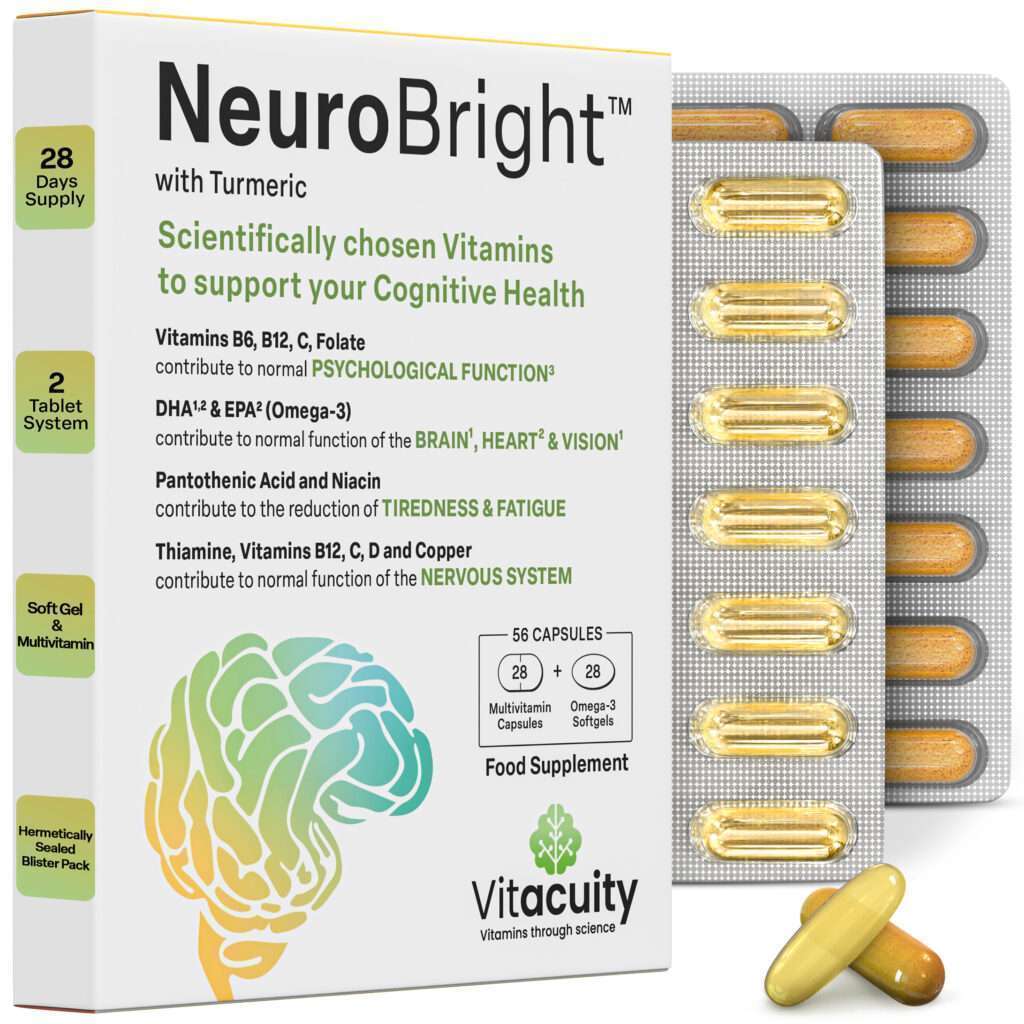
Free guide: The research behind brain health supplements
Plus our weekly research digest — straight to your inbox.
Just leave your email address.