Cold Exposure And Brain Health — What Ice Baths Actually Do To Your Neurons
Quick Read Cold exposure, particularly ice baths, activates a biological stress response called hormesis, where controlled stress triggers the body
We write a new article on supplements every day , all detailed, with citations.
Once a week we send an email containing a list of the last 7 days articles. Please sign up and also feel free to share the articles with friends and family who you think might benefit.
Simon Parrott – Vitacuity Ltd
Choline is an essential nutrient most adults aren’t getting enough of. Your brain uses it to produce acetylcholine, a chemical messenger crucial for memory and learning, to build healthy nerve cell membranes, and to control how your genes are expressed in ways that affect memory formation. A large study of older adults found that higher dietary choline intake was linked to better cognitive function, and a controlled trial showed that 300 mg of egg yolk choline daily improved verbal memory compared to placebo over 12 weeks.
Most people consume only about one-third of the recommended daily amount of choline, which is 425 mg for women and 550 mg for men. Eggs are the most practical dietary source, with one large egg providing roughly 147 mg. Pregnant women, women of childbearing age, and older adults are at particularly high risk of not getting enough, and some evidence suggests benefits appear stronger in people who are already deficient or experiencing cognitive decline rather than in healthy individuals.
The evidence for citicoline, a refined form of choline, is mixed. One controlled trial showed memory improvements at 500 mg daily, but a European authority declined to approve health claims because the overall evidence is still limited. Most studies last only 8 to 12 weeks, so the long-term effects of supplementation are not yet known.
Verdict: Choline is not a memory miracle, but since most adults are deficient in this foundational brain nutrient, prioritising dietary sources like eggs and considering modest supplementation if your diet is choline-poor is a sensible, low-risk approach.
What if one of the most important nutrients for your memory isn’t some exotic botanical or cutting-edge nootropic, but something your grandmother called “brain food” every time she put eggs on the table? Choline has been sitting quietly in the background of nutrition science for decades, often overshadowed by omega-3s and B vitamins, yet the research tells a surprisingly compelling story. Not a story of miracles, this isn’t that kind of nutrient. But a story of something fundamental: a building block so central to how your brain constructs memories, sends signals, and protects itself over time, that being even mildly deficient may be quietly costing you more than you realise. The question isn’t really whether choline matters for your brain. The more interesting question is: why are most of us not getting enough of it?
To understand why choline matters, you need to know what it actually does inside your head, and it turns out it’s doing quite a lot.
Choline is classified as an essential nutrient, meaning your body cannot make enough of it on its own and must get the rest from diet or supplements [11]. Your brain uses it in three distinct and important ways.
First, choline is a direct precursor to acetylcholine, one of the brain’s most important neurotransmitters, and the one most closely associated with memory and learning [10]. Think of acetylcholine as the chemical messenger that helps your neurons actually talk to each other when you’re trying to recall a name, learn something new, or hold a thought in working memory. Without sufficient choline, your brain has less raw material to make it.
Second, choline is a structural component of phospholipids, the fats that form every single cell membrane in your body, including in every neuron [1]. Healthy, fluid cell membranes are essential for proper brain signalling. Choline helps build and maintain them.
Third, and this is the part that genuinely surprised researchers, choline acts as a methyl donor [7]. This means it participates in a process called methylation, which directly influences how your genes are expressed. By affecting DNA and histone methylation, choline can essentially turn certain genes up or down, including genes involved in memory formation and synaptic plasticity [7]. This is the cutting edge of choline research, and it points to a level of influence that goes far deeper than simply “fuelling” your brain.
Vitacuity has reviewed over 1.77 million research papers and selected the most relevant for this topic. Here is what the evidence actually shows.
One of the most substantial pieces of evidence comes from a large population study, the China Health and Nutrition Survey, which tracked 7,659 adults aged over 55 across an average follow-up period of 6.8 years [5].
The researchers found that higher dietary intake of total choline was significantly associated with better global cognition scores (β = 0.083, 95% CI: 0.046–0.119). The average dietary intake in the cohort was just 178.8 mg per day, well below the adequate intake level, which makes the finding more meaningful, not less: even within a population consuming relatively modest amounts, those eating more choline performed better cognitively [5].
Crucially, the study also found that higher choline intake was *more* effective at improving cognitive scores in older participants, and that the benefits appeared to accumulate, suggesting that supplementing earlier in old age, rather than waiting until decline is obvious, is likely the smarter approach [5].
Evidence grade: Promising. This is a large, long-duration observational study, which is valuable for identifying real-world patterns. But it cannot prove causation, people who eat more choline may also have other healthy habits. Interventional trials are needed to confirm the picture.
If you want to get beyond observational data and look at what happens when you actually give people choline in a controlled setting, a 2023 Japanese trial is one of the more credible studies available [6].
In this 12-week, randomised, double-blind, placebo-controlled study, 41 healthy adults aged 60–80 were given either 300 mg per day of egg yolk choline (in a supplement form) or an identical placebo containing egg yolk without choline. Verbal memory scores, both immediate recall and delayed recall, were significantly higher in the choline group compared to placebo at both the 6-week and 12-week marks [6]. Plasma free choline levels were also measurably higher in the supplemented group at 6 weeks.
It’s worth noting one odd finding: the choline group showed lower processing speed scores at 6 weeks on one cognitive test. The researchers couldn’t fully explain this, and it underscores why a single trial is never the final word [6].
Evidence grade: Promising. A genuinely well-designed trial, but 41 participants is a small sample, all were Japanese adults aged 60+, and it was a single study. Replication in larger, more diverse populations is needed before firm conclusions can be drawn.
Some of the most striking choline research doesn’t involve supplements at all, it involves what happens when a developing brain is exposed to adequate choline in the womb.
A 2012 review in *Nutrients* (cited as [7] here) brought together animal and human research showing that high choline intake during gestation improves cognitive function in adulthood and may even prevent the memory decline associated with old age. The mechanism? Choline directly modifies the methylation patterns on DNA and histones, essentially programming which genes are switched on or off in the developing hippocampus, the brain’s memory centre [7]. These effects persisted for months after the nutritional exposure ended.
A 2024 systematic review of 9 human studies supported this picture, concluding that choline supplementation during pregnancy appears effective in improving or increasing cognition in children [4]. The review covered studies from 2012 onwards, using various forms of choline including choline chloride, choline bitartrate, and phosphatidylcholine.
This isn’t just a prenatal story, however. The 2019 review by Derbyshire and Obeid in *Nutrients* highlighted that choline’s epigenetic influence, its ability to regulate gene expression via methylation, is an active, ongoing process in the adult brain, not just during development [10]. The same pathways that shape a baby’s memory architecture continue to influence synaptic plasticity throughout life.
Evidence grade: Strong for developmental effects in animal models; Promising for human developmental effects; Early stage for adult epigenetic mechanisms. The animal data here is exceptionally consistent. Human developmental data is building. The adult epigenetic angle is biologically plausible and exciting, but direct human trials are still limited.
Here’s the practical problem sitting underneath all this science: most people are not meeting their adequate intake of choline, which is set at 425 mg per day for women and 550 mg per day for men [11].
The main dietary sources are eggs, dairy, and meat [11]. As plant-based and reduced-meat diets have grown more common, average choline intakes have fallen in many populations. Pregnant women, women of childbearing age, and older adults are at particularly elevated risk of suboptimal intake [11].
The observational data from the Chinese cohort study found an average dietary intake of just 178.8 mg per day among adults over 55, less than a third of the recommended intake for men [5]. If choline intake is genuinely linked to cognitive trajectory over time, this is not a trivial gap.
Evidence grade: Strong for the reality of widespread insufficiency. This is not contested, dietary surveys across multiple countries consistently find that choline intakes fall below recommended levels in the majority of adults.
Citicoline (also known as CDP-choline) is a more bioavailable, pharmaceutically refined form of choline that has attracted considerable research interest and marketing attention. It’s worth looking at the evidence clearly.
In 2024, the European Food Safety Authority (EFSA) was asked to evaluate a formal health claim for citicoline and memory support. Their verdict was cautious [3]. Reviewing three human intervention studies, the EFSA panel found that only *one* RCT showed a beneficial effect, specifically, improved episodic memory in healthy participants at a dose of 500 mg per day over 12 weeks. A second study using a higher dose of 1 g per day for 3 months showed no benefit, and data from dementia patients using 1 g per day for 12 weeks and 12 months also did not support the claim [3].
EFSA concluded that a cause-and-effect relationship had not been established between citicoline and memory support, and declined to approve the health claim [3].
This is a useful corrective to some of the more enthusiastic marketing around citicoline. One positive RCT is a start, not a conclusion. It doesn’t mean citicoline doesn’t work, it means the evidence isn’t there yet to make a confident, blanket claim.
An earlier 2003 review of “brain-specific” nutrients also found that research on citicoline was limited, though it cited one study showing a robust improvement in story recall in normally ageing older adults who scored below average at baseline [14]. The pattern here, benefits appearing more clearly in people who are already underperforming, is worth noting. It suggests choline interventions may be most effective in those who are deficient or declining, rather than in cognitively healthy individuals with adequate intake.
Evidence grade: Conflicted. One positive RCT at 500 mg, one null result at 1 g, limited overall trial data. The dose question is genuinely unresolved, and EFSA’s conclusion reflects the current state of the science honestly.
The choline research is genuinely interesting, but it has real gaps, and being honest about those is part of how we think at Vitacuity.
The dose question is unresolved. The fact that 500 mg of citicoline showed a benefit in one trial while 1,000 mg showed none is puzzling, not reassuring [3]. Whether this reflects a U-shaped response curve, different study populations, or simply small-sample noise is unknown.
Bioavailability varies dramatically between forms. Choline chloride, phosphatidylcholine, alpha-GPC, citicoline, and lysophosphatidylcholine all behave differently in the body. A 2025 trial of lysolecithin found no significant between-group differences in memory outcomes despite increases in plasma choline levels, though participants reported subjective improvements in mental acuity [2]. Whether the form matters more than the dose is genuinely unclear.
The TMAO question. Choline is metabolised by gut bacteria into a compound called TMAO (trimethylamine N-oxide), which has been associated in some research with cardiovascular risk [1, 8]. The significance of this for supplement users at normal doses is contested, but it is a live area of research and worth monitoring. Your gut microbiome composition appears to influence how much TMAO is produced from dietary choline, meaning the same supplement may behave differently in different people [1].
Most positive findings are in people who are already deficient or declining. The strongest signals for choline supplementation tend to appear in older adults, people with lower baseline cognitive scores, or those with neurodegenerative conditions, not in cognitively healthy younger adults [3, 14]. This makes biological sense (you can’t top up a full tank) but means the evidence for supplementing as a “cognitive enhancer” when already healthy is much weaker than the evidence for correcting insufficiency.
Long-term human trials are largely missing. Most studies are 8–12 weeks in duration [2, 3, 6]. The observational data spans years [5], but the interventional evidence does not. We don’t yet know what consistent, long-term supplementation does to cognitive trajectory over decades.
Here’s the honest, practical picture.
Choline is not a memory miracle. But it is a foundational nutrient that the majority of adults, particularly those over 55, are not getting enough of. The evidence linking adequate choline intake to better cognitive ageing is building steadily, and the biological mechanisms are genuinely credible. Being chronically under-supplied with a nutrient that your brain needs to make its primary memory-related neurotransmitter is not something to be relaxed about.
What a sensible, informed person would actually do:
Prioritise food first. Eggs are by far the most practical dietary source, a single large egg provides approximately 147 mg of choline, primarily as phosphatidylcholine in the yolk [6, 11]. If you’re eating two eggs a day, you’re already meaningfully ahead of the average. Dairy and meat contribute as well. If your diet is predominantly plant-based, pay close attention, your choline intake may be lower than you think.
Consider supplementing if your diet is choline-poor. Choline supplements, whether as choline bitartrate, alpha-GPC, or citicoline, are widely available, inexpensive, and have a strong safety profile at normal doses [11]. Choline is a water-soluble nutrient; excess is not stored in a way that creates toxicity risk at sensible supplementing doses. For most people over 40 eating a typical Western diet, a daily choline supplement of 250–500 mg is a low-risk, low-cost way to address a very common insufficiency.
Be appropriately cautious about citicoline marketing. It may well have benefits, one RCT showed meaningful episodic memory improvements at 500 mg [3], but EFSA declined to approve a health claim based on current evidence [3]. If you’re using citicoline, 500 mg daily seems the better-supported dose based on what we currently know.
Don’t wait until you notice decline. The large Chinese cohort study found that supplementing earlier in older age produced better outcomes [5]. The developmental research suggests that choline’s benefits work cumulatively over time [7, 10]. If you’re in your 40s or 50s and eating a choline-poor diet, this is the time to address it, not your 70s.
The bottom line: Choline is one of the most under-appreciated nutrients in adult brain health. The research doesn’t support calling it a memory drug. But it does support making sure you’re getting enough of it, and most people aren’t. That’s a gap worth closing.
[1] The Importance of Gut Microbiota on Choline Metabolism in Neurodegenerative Diseases (2024). DOI: 10.3390/biom14111345 | https://pubmed.ncbi.nlm.nih.gov/39595522/ | https://www.ncbi.nlm.nih.gov/pmc/articles/PMC11591558/
[2] Effects of an 8-week intake of lysolecithin on cognitive function and concentrations of blood choline and lysophosphatidylcholine: a randomized, double-blinded, placebo-controlled trial (2025). https://pubmed.ncbi.nlm.nih.gov/39896163/
[3] ‘Citicoline’ and support of the memory function: Evaluation of a health claim pursuant to Article 13(5) of Regulation (EC) No 1924/2006 (2024). DOI: 10.2903/j.efsa.2024.8861 | https://pubmed.ncbi.nlm.nih.gov/38966137/ | https://www.ncbi.nlm.nih.gov/pmc/articles/PMC11222871/
[4] Importance of choline during pregnancy and lactation: A systematic review (2024). DOI: 10.1016/j.semerg.2023.102089 | https://pubmed.ncbi.nlm.nih.gov/37862810/
[5] Vertical Association Between Dietary Total Choline and L-alpha-glycerylphosphorylcholine and the Cognitive Function in Chinese Adults Aged over 55, Result from China Health and Nutrition Survey 1997–2018 (2024). DOI: 10.3390/nu16213713 | https://pubmed.ncbi.nlm.nih.gov/39519545/ | https://www.ncbi.nlm.nih.gov/pmc/articles/PMC11547823/
[6] Effects of egg yolk choline intake on cognitive functions and plasma choline levels in healthy middle-aged and older Japanese: a randomized double-blinded placebo-controlled parallel-group study (2023). DOI: 10.1186/s12944-023-01844-w | https://pubmed.ncbi.nlm.nih.gov/37340479/ | https://www.ncbi.nlm.nih.gov/pmc/articles/PMC10280906/
[7] Choline nutrition programs brain development via DNA and histone methylation (2012). https://pubmed.ncbi.nlm.nih.gov/22483275/
[8] The Importance of Gut Microbiota on Choline Metabolism in Neurodegenerative Diseases (2024). DOI: 10.3390/biom14111345 | https://pubmed.ncbi.nlm.nih.gov/39595522/ | https://www.ncbi.nlm.nih.gov/pmc/articles/PMC11591558/
[9] Effects of an 8-week intake of lysolecithin on cognitive function and concentrations of blood choline and lysophosphatidylcholine: a randomized, double-blinded, placebo-controlled trial (2025). https://pubmed.ncbi.nlm.nih.gov/39896163/
[10] Neuroprotective Effects of Choline and Other Methyl Donors (2019). DOI: 10.3390/nu11122995 | https://pubmed.ncbi.nlm.nih.gov/31817768/ | https://www.ncbi.nlm.nih.gov/pmc/articles/PMC6950346/
[11] Importance of choline in cognitive function (2021). DOI: 10.20960/nh.03351 | https://pubmed.ncbi.nlm.nih.gov/32993309/
[12] Effect of lecithin on memory in normal adults (1983). https://pubmed.ncbi.nlm.nih.gov/6346908/
[13] ‘Citicoline’ and support of the memory function: Evaluation of a health claim pursuant to Article 13(5) of Regulation (EC) No 1924/2006 (2024). DOI: 10.2903/j.efsa.2024.8861 | https://pubmed.ncbi.nlm.nih.gov/38966137/ | https://www.ncbi.nlm.nih.gov/pmc/articles/PMC11222871/
[14] “Brain-specific” nutrients: a memory cure? (2003). DOI: 10.1016/s0899-9007(03)00024-8 | https://pubmed.ncbi.nlm.nih.gov/14624946/
[15] “Brain-Specific” Nutrients: A Memory Cure? (2002). DOI: 10.1111/1529-1006.00007 | https://pubmed.ncbi.nlm.nih.gov/26151475/
This article is for informational purposes only and does not constitute medical advice. Food supplements should not be used as a substitute for a varied and balanced diet and healthy lifestyle. If you are pregnant, breastfeeding, taking medication or have a medical condition, consult your doctor before taking any supplement. These statements have not been evaluated by the Food and Drug Administration (FDA) or the Medicines and Healthcare products Regulatory Agency (MHRA). This product is not intended to diagnose, treat, cure, or prevent any disease.
Quick Read Cold exposure, particularly ice baths, activates a biological stress response called hormesis, where controlled stress triggers the body
Quick Read Tiny air pollution particles (PM2.5) from traffic and burning fuel are small enough to enter your bloodstream and
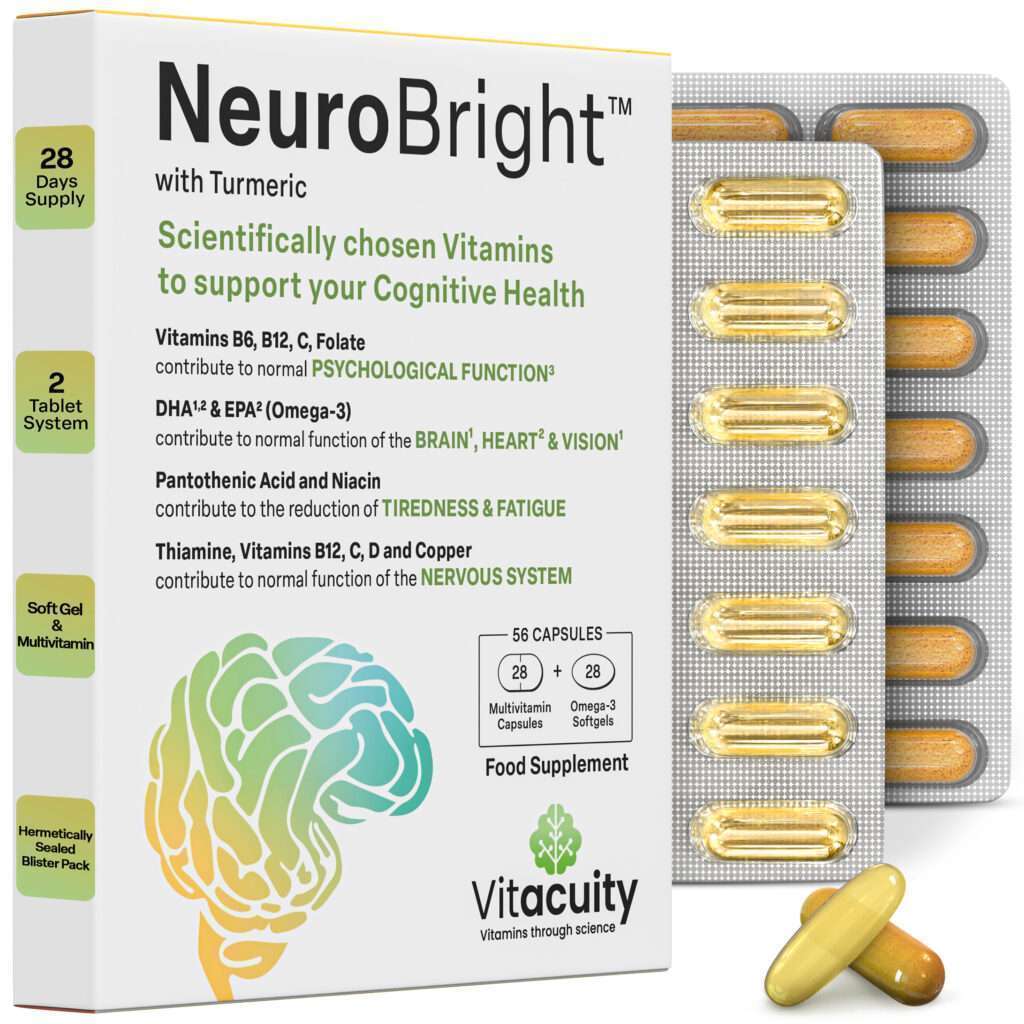
Free guide: The research behind brain health supplements
Plus our weekly research digest — straight to your inbox.
Just leave your email address.