Curcumin And Depression — The Inflammation Connection
Quick Read Depression may involve chronic, low-grade inflammation in the brain, not just a chemical imbalance. Curcumin, the active compound
We write a new article on supplements every day , all detailed, with citations.
Once a week we send an email containing a list of the last 7 days articles. Please sign up and also feel free to share the articles with friends and family who you think might benefit.
Simon Parrott – Vitacuity Ltd
Your gut bacteria communicate directly with your brain through nerve signals and chemical messengers, influencing memory, mood, and cognitive decline. When gut bacteria are imbalanced, they produce fewer protective compounds like butyrate and fail to support brain cell growth. Recent studies show that specific probiotic strains, particularly Lactobacillus rhamnosus and Bifidobacterium longum, improved memory and cognitive function in healthy older adults within just 10 weeks, and reduced inflammation in Alzheimer’s patients over 12 weeks.
The evidence is promising but still limited. Human trials have been small (under 100 participants) and short-term (10 to 12 weeks), while cognitive decline develops over decades. We need larger, longer studies to confirm that consistent probiotic use slows decline in healthy people. Individual responses vary widely because each person’s microbiome is unique. The mechanistic story is strong in animal studies but less established in humans so far.
Diet quality matters as much as supplementation. Mediterranean and high-fibre diets support beneficial bacteria and appear protective for brain health. If you’re considering probiotics, prioritize products containing studied strains rather than generic formulations, and combine them with a healthy diet. For middle-aged and older adults, particularly those with a family history of dementia, the low risk and emerging evidence make probiotics a reasonable choice now, even as we await larger trials.
Verdict: Probiotics show genuine promise for brain health through credible mechanisms and early positive trials, but we still need larger, longer human studies before calling them proven for dementia prevention.
What if the most important organ for protecting your memory isn’t your brain, it’s your gut? For most of us, that feels like a stretch. We’ve been taught to think of cognitive decline as a brain problem: neurons dying, plaques building up, synapses fraying with age. But a rapidly growing body of research is pointing somewhere else entirely, down to the trillions of microorganisms living in your intestinal tract, and the surprisingly direct conversation they’re having with your brain every single day.
This isn’t fringe science anymore. From Vitacuity’s analysis of over 1.77 million research papers, we’ve selected the most relevant and recent studies to bring you a clear-eyed look at what the science actually says about probiotics, the gut-brain axis, and cognitive decline. The picture that emerges is genuinely exciting, and genuinely honest about where the evidence is strong, where it’s promising, and where we still need more data.
Let’s start with the mechanism, because once you understand *how* your gut talks to your brain, the rest of the research makes a lot more sense.
Your gut and brain are in constant, two-way communication through what scientists call the gut-brain axis [1]. Think of it as a motorway running between your intestines and your brain, with signals travelling in both directions via the vagus nerve, the immune system, and chemical messengers in your bloodstream. The microorganisms living in your gut, your microbiome, are not passive passengers. They actively produce and regulate neurotransmitters, influence inflammation, and shape the environment your brain cells live in [14].
Here’s what that looks like in practice. Certain beneficial gut bacteria produce short-chain fatty acids (SCFAs), compounds like butyrate that help maintain the integrity of the blood-brain barrier (that protective boundary separating your bloodstream from your brain tissue) and reduce neuroinflammation [3]. Other bacteria influence the metabolism of tryptophan, a precursor to serotonin, yes, a significant proportion of your body’s serotonin production is connected to your gut [3]. Still others modulate the HPA axis, the stress-response system that, when chronically overactivated, accelerates brain ageing [1].
When the microbiome falls out of balance, a state called dysbiosis, these protective functions break down. The blood-brain barrier becomes more permeable. Inflammatory signals increase. Neurotrophic factors like BDNF (brain-derived neurotrophic factor, essentially a fertiliser for brain cells) decline. Hippocampal neurogenesis, the brain’s ability to generate new neurons in the memory centre, slows down [1][4].
The question researchers are now asking is whether we can reverse or slow this process through deliberate microbiome modulation, specifically, through probiotic supplementation.
One of the most compelling pieces of human evidence comes from a 2025 randomised double-blind placebo-controlled crossover trial published with ClinicalTrials registration (NCT04828421) [2].
Thirty-three healthy older adults took a multi-species probiotic containing *Lactobacillus rhamnosus* and *Bifidobacterium lactis* daily for 10 weeks, followed by a 4-week washout period before crossing over to placebo.
The results were statistically significant across multiple domains:
– Cognitive function improved by a mean difference of 1.90 points (95% CI: 1.09–2.70, p < 0.005) on the Mini-Mental State Examination - Memory scores improved by a mean difference of 4.60 (95% CI: 2.91–6.29, p < 0.005) on combined MMSE and digit tasks - Depressive symptoms reduced by a mean difference of 4.09 points (95% CI: 1.70–6.48, p < 0.005) on the Beck Depression Inventory - Additional improvements were seen in planning, problem-solving, selective attention, cognitive flexibility, and impulse control
These are meaningful numbers, not just statistical noise. A nearly 2-point improvement in MMSE scores in just 10 weeks in *healthy* older adults (not people with dementia) is clinically notable.
Evidence grade: Promising. This is a well-designed RCT with proper controls and a crossover design. However, with only 33 participants and a 10-week duration, replication in larger samples is needed before we can call this conclusive.
A 2025/2026 Italian clinical study from IRCCS Istituto Centro San Giovanni di Dio Fatebenefratelli recruited 45 patients with probable Alzheimer’s disease and 47 healthy controls [5].
Researchers first confirmed that Alzheimer’s patients showed measurable differences in their microbiome, including intestinal inflammation, altered tryptophan metabolism in the blood, and reduced glutamate levels, all consistent with MGBA (microbiota-gut-brain axis) disruption.
Then, the Alzheimer’s patients underwent 12 weeks of probiotic supplementation (uncontrolled, no placebo arm for this phase). After treatment:
– Several pro-inflammatory mediators were significantly reduced – Butyrate levels, a key protective SCFA, increased significantly (p < 0.040) - Changes were in microbiome *functionality* rather than composition, suggesting the probiotics were shifting how the gut bacteria were working, not necessarily which species were present
This is a nuanced and important finding. The probiotics didn’t transform the microbiome wholesale, they appeared to change its metabolic output in a protective direction.
Evidence grade: Promising, with important caveats. The lack of a placebo control in the intervention phase is a significant limitation. These results are encouraging but require confirmation in controlled trials.
A 2025 review in *Antonie van Leeuwenhoek* synthesised evidence on how probiotics interact specifically with hippocampal neurogenesis, the process of growing new brain cells in the region most critical for learning and memory [1].
The review identified three key probiotic strains, *Lactobacillus rhamnosus*, *Bifidobacterium longum*, and *Lactobacillus plantarum*, as having the most consistent evidence for supporting hippocampal health, via several pathways:
– Increased BDNF expression, BDNF is a protein that supports the growth and maintenance of neurons; lower BDNF levels are consistently associated with cognitive decline and depression – Reduced microglial overactivation, microglia are the brain’s immune cells; when chronically activated, they become damaging rather than protective – Modulation of serotonin, dopamine and GABA metabolism, all neurotransmitters directly involved in mood, focus and cognitive performance
While much of the hippocampal neurogenesis evidence still comes from animal studies, the review notes that clinical evaluations of these specific strains are increasingly supporting the same mechanisms in humans.
Evidence grade: Early to Promising. Mechanistic understanding is strong. Human clinical evidence for the neurogenesis pathway specifically is still emerging, but the direction of travel is consistent.
It’s not just about whether you take a probiotic capsule. A 2025 narrative review examining diet, gut microbiota and neurocognition found that dietary patterns have a profound and rapid effect on microbiome composition, and through it, on cognitive function [4].
Key findings from the review:
– Mediterranean, DASH and MIND diets promoted microbial diversity, reduced neuroinflammation, and were associated with better cognitive outcomes – Western diets (high in refined sugars and saturated fats) disrupted gut microbiota, reduced SCFA production, and were linked to hippocampal synaptic loss – High-fibre diets enhanced populations of *Bifidobacterium* and *Akkermansia muciniphila*, bacteria associated with gut barrier integrity and reduced neuroinflammation – Probiotic strains *Lactobacillus rhamnosus* and *Bifidobacterium longum* specifically improved cognitive function and reduced anxiety in clinical trials cited within the review
The research also noted that the gut microbiome responds to dietary changes rapidly and bidirectionally, meaning both improvement and deterioration can happen quickly.
Evidence grade: Promising for dietary patterns; Early for specific microbiome mechanisms in humans. The diet-microbiome-brain connection has solid observational support, with mechanistic plausibility well established.
A 2021 systematic review published in *Nutrients* examined 22 studies on probiotic supplementation and Alzheimer’s disease [6], and a 2022 meta-analysis published in *European Journal of Nutrition* took a similarly rigorous look [12].
The 2022 meta-analysis found:
– In elderly humans, probiotics produced a non-significant difference in MMSE scores in the overall population, but showed significant improvement specifically in those diagnosed with Alzheimer’s disease – In animal studies, probiotics significantly improved neurocognitive function across multiple validated tests (Morris Water Maze, Y-Maze, Passive Avoidance) – The association in humans was age-dependent, older adults appeared to benefit more than younger ones – It was not dose-dependent or duration-dependent in the existing studies, suggesting the benefit may be more about the *type* of intervention than the quantity
The 2021 systematic review highlighted that probiotics modulate inflammatory processes, counteract oxidative stress, and modify gut microbiota composition, all mechanisms relevant to Alzheimer’s pathology [6].
Evidence grade: Conflicted (leaning Promising for diagnosed Alzheimer’s; less clear for prevention in healthy populations). The conflict here is largely explained by population differences, people with existing Alzheimer’s pathology show more consistent responses than healthy older adults, possibly because the baseline gut dysbiosis is more severe and therefore more responsive to correction. This doesn’t mean probiotics don’t help healthy people, it means the effect size is smaller and harder to detect in shorter studies.
A 2025 protocol paper describes one of the most rigorously designed probiotic-cognition trials yet to be completed [15]. The PCAMCI trial is recruiting 110 middle-aged and older adults (aged 55–80) with mild cognitive impairment (MCI), randomising them 1:1 to either a probiotic combination (*Lactiplantibacillus plantarum* ST-III, *Lacticaseibacillus rhamnosus* KF7, and *Lacticaseibacillus paracasei* BD5115) or placebo for 12 months, triple-blinded.
Critically, this trial is measuring not just cognition (via the Montreal Cognitive Assessment) but also sleep, facial ageing, body composition, bone density, muscle function, gut health, and brain MRI data. It’s also using wearable devices including continuous glucose monitors.
Why does this matter to you now? Because the fact that this trial *exists*, in this form, at this scale, reflects how seriously the scientific community now takes the gut-brain-cognition link. This is no longer a fringe area of research. It’s a mainstream clinical priority.
Evidence grade: Protocol only, no results yet. But its existence signals the direction of the field.
Let’s be genuinely honest here, because that’s how we earn your trust.
The human evidence is still limited in scale. Most RCTs in this space involve fewer than 100 participants and run for 10–12 weeks. Cognitive decline is a decades-long process. We don’t yet have large-scale, long-duration trials showing that consistent probiotic use over years meaningfully slows measurable cognitive decline in healthy people [2][12].
Strain specificity matters enormously, and we don’t fully understand it. *Lactobacillus rhamnosus* and *Bifidobacterium longum* appear across multiple studies with positive signals [1][4], but different strains behave very differently. A generic “probiotic” label tells you almost nothing about whether a product contains the strains that have been studied. This is a real practical problem.
Individual variability is substantial. Your microbiome is as unique as your fingerprint. What shifts the gut-brain axis positively in one person may do very little in another [3][4]. We don’t yet have the tools to predict individual response to probiotic interventions.
The hippocampal neurogenesis pathway is compelling but largely animal-derived. The mechanistic story, probiotics → BDNF → new neurons → better memory, is biologically plausible and well-supported in rodent models [1]. Human evidence for this specific pathway is emerging but not yet definitive.
We lack long-term safety data at scale. Probiotics are generally considered safe and have an excellent track record, but most studies are short-term. This is unlikely to be a significant concern given decades of widespread use, but it’s worth noting.
Reverse causality is possible. Does a disrupted gut microbiome contribute to cognitive decline, or does the underlying brain pathology disrupt gut function? The relationship is probably bidirectional [14], but the causality chain in humans isn’t fully established.
So what does a sensible, well-informed person actually *do* with all this?
Here’s how we’d reason through it as your trusted, research-literate friend:
The gut-brain axis is real, the mechanisms are understood, and the early clinical evidence is pointing in a positive direction. This isn’t a proven prevention strategy for dementia, we need to be clear about that. But the risk-benefit calculation for probiotics is unusually favourable. They are safe, widely available, relatively affordable, and the downside risk of supplementation is minimal for most healthy adults.
Prioritise strain quality over brand marketing. Look for products containing *Lactobacillus rhamnosus*, *Bifidobacterium longum*, and/or *Lactobacillus plantarum*, these are the strains with the most consistent evidence across the reviewed studies [1][2][4]. A product listing “10 billion CFU” of unnamed strains is of questionable value.
Feed your microbiome, don’t just supplement it. Probiotics work best in the context of a diet that supports a healthy gut environment. High-fibre foods, fermented foods, and Mediterranean dietary patterns all nourish the bacterial diversity your gut, and brain, need [3][4]. A probiotic capsule alongside a processed food diet is working against itself.
If you’re in your 40s or 50s, now is the time to think about this, not later. Age-related changes in gut microbiome composition begin well before obvious cognitive symptoms appear [14]. The protective window is while your brain is still healthy. This is precisely the population where the preventive logic is strongest, even if the clinical trials in healthy populations are still catching up.
Consistency matters more than quantity. The 10-week RCT showed significant effects at a daily dose of a multi-species formulation [2]. This isn’t a situation where more is better, it’s about regular, consistent exposure over time.
Don’t wait for perfect evidence before making a sensible low-risk choice. The 12-month PCAMCI trial [15] will give us much better data, but that’s still years away from publication and replication. If you’re already eating well and wondering whether a good-quality probiotic is worth adding to your routine, the current evidence says: yes, the risk-benefit makes sense. This is especially true if you have a family history of dementia, notice early memory concerns, or know your diet isn’t as diverse as it could be.
The gut-brain story is one of the most fascinating in modern neuroscience. We’re not at the finish line, but we know enough to act thoughtfully, and we know exactly which direction the research is heading.
[1] Microbial modulators of the mind: probiotic interventions in hippocampal neurogenesis and cognitive flexibility (2025). DOI: 10.1007/s10482-025-02162-0 | https://pubmed.ncbi.nlm.nih.gov/40944778/
[2] Cognitive and Emotional Effect of a Multi-species Probiotic Containing Lactobacillus rhamnosus and Bifidobacterium lactis in Healthy Older Adults: A Double-Blind Randomized Placebo-Controlled Crossover Trial (2025). DOI: 10.1007/s12602-024-10315-2 | https://pubmed.ncbi.nlm.nih.gov/38935259/ | https://www.ncbi.nlm.nih.gov/pmc/articles/PMC12532666/
[3] Could a Mediterranean Diet Modulate Alzheimer’s Disease Progression? The Role of Gut Microbiota and Metabolite Signatures in Neurodegeneration (2025). DOI: 10.3390/foods14091559 | https://pubmed.ncbi.nlm.nih.gov/40361641/ | https://www.ncbi.nlm.nih.gov/pmc/articles/PMC12071848/
[4] Diet, Gut Microbiota and Neurocognition, Narrative Review (2025). DOI: 10.1002/alz70860_105330 | https://pubmed.ncbi.nlm.nih.gov/41433978/ | https://www.ncbi.nlm.nih.gov/pmc/articles/PMC12725045/
[5] Microbiota-gut-brain axis dysregulation in Alzheimer’s disease and its modulation through probiotic supplementation (2026). DOI: 10.1016/j.bbi.2025.106138 | https://pubmed.ncbi.nlm.nih.gov/41093142/
[6] Probiotics for Alzheimer’s Disease: A Systematic Review (2021). DOI: 10.3390/nu14010020 | https://pubmed.ncbi.nlm.nih.gov/35010895/ | https://www.ncbi.nlm.nih.gov/pmc/articles/PMC8746506/
[10] Effects of Lactobacillus plantarum on memory and cognitive dysfunction (2022). https://pubmed.ncbi.nlm.nih.gov/36296983/
[12] Probiotic supplementation demonstrates therapeutic potential in treating gut dysbiosis and improving neurocognitive function in age-related dementia (2022). DOI: 10.1007/s00394-021-02760-4 | https://pubmed.ncbi.nlm.nih.gov/35001217/
[13] The Beneficial Effects of Lactobacillus Strains on Gut Microbiome in Alzheimer’s Disease: A Systematic Review (2025). https://pubmed.ncbi.nlm.nih.gov/39791681/
[14] Age-Related Cognitive Decline and Dementia: Interface of Microbiome-Immune-Neuronal Interactions (2025). https://pubmed.ncbi.nlm.nih.gov/40036891/
[15] Probiotic supplementation on cognitive and other aging-related physiological functions in middle-aged and older adults with mild cognitive impairment (PCAMCI): protocol for a randomized, triple-blinded, placebo-controlled trial (2025). DOI: 10.1186/s12937-025-01253-y | https://pubmed.ncbi.nlm.nih.gov/41462287/ | https://www.ncbi.nlm.nih.gov/pmc/articles/PMC12751911/
This article is for informational purposes only and does not constitute medical advice. Food supplements should not be used as a substitute for a varied and balanced diet and healthy lifestyle. If you are pregnant, breastfeeding, taking medication or have a medical condition, consult your doctor before taking any supplement. These statements have not been evaluated by the Food and Drug Administration (FDA) or the Medicines and Healthcare products Regulatory Agency (MHRA). This product is not intended to diagnose, treat, cure, or prevent any disease.
Quick Read Depression may involve chronic, low-grade inflammation in the brain, not just a chemical imbalance. Curcumin, the active compound
Quick Read Cold exposure, particularly ice baths, activates a biological stress response called hormesis, where controlled stress triggers the body
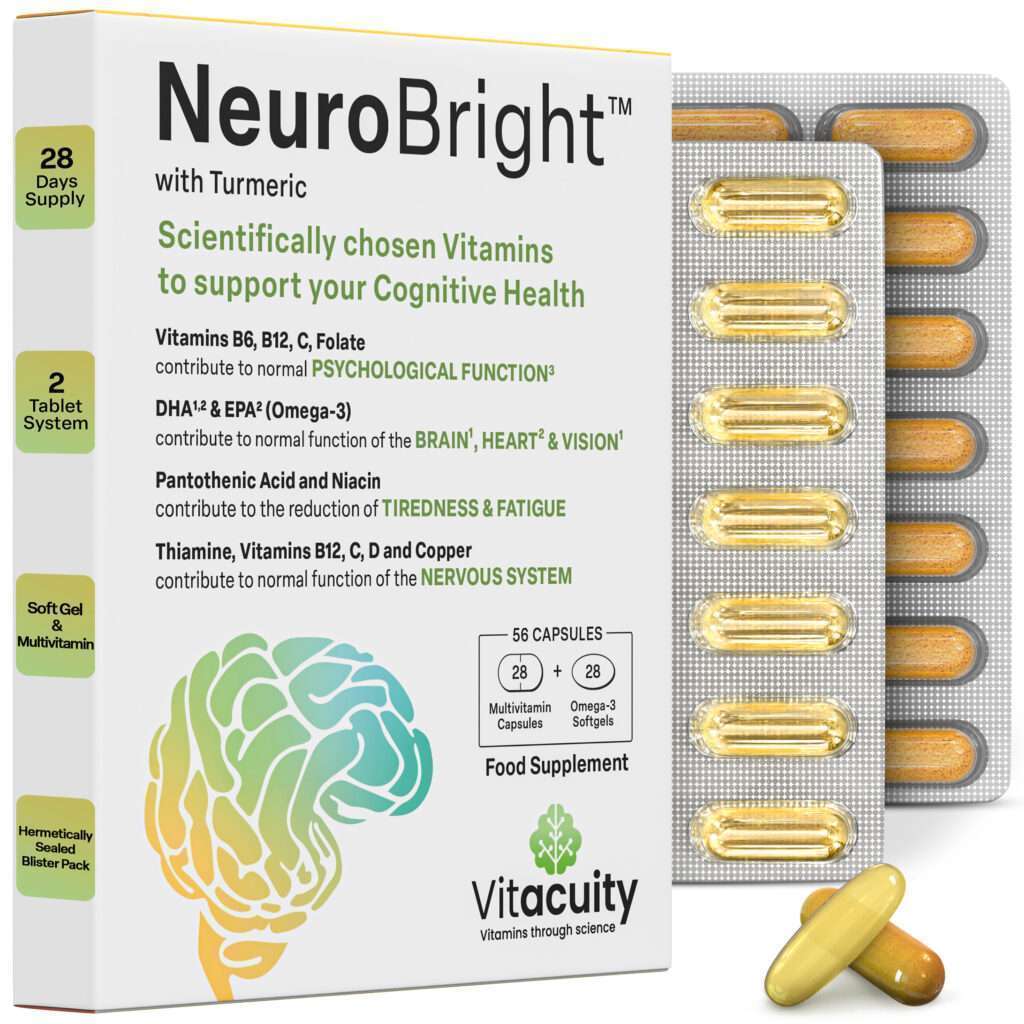
Free guide: The research behind brain health supplements
Plus our weekly research digest — straight to your inbox.
Just leave your email address.