The Difference Between Brain Fog And Early Cognitive Decline — How To Tell
Quick Read Brain fog, a temporary cloudiness caused by poor sleep, stress, or nutritional gaps, is far more common than
We write a new article on supplements every day , all detailed, with citations.
Once a week we send an email containing a list of the last 7 days articles. Please sign up and also feel free to share the articles with friends and family who you think might benefit.
Simon Parrott – Vitacuity Ltd
PQQ is a naturally occurring compound that appears to activate your cells’ ability to build new mitochondria, the tiny power generators inside every cell. It does this by switching on a specific pathway called PGC-1α, which controls whether your body creates fresh mitochondria. This matters for brain health because mitochondrial decline is linked to age-related cognitive slowdown. Research in animals and cells clearly shows this mechanism works, and several human trials found that 20mg of PQQ daily improved memory and cognitive processing, particularly in middle-aged adults.
The evidence for PQQ’s benefits is genuine but still early stage. Human studies exist and show promise, but they involve relatively small groups studied for only 8 to 12 weeks. We haven’t directly confirmed that PQQ actually builds new mitochondria in human brains, though the logic is sound based on animal research. PQQ also appears to boost energy production in existing mitochondria and has been approved as a food ingredient by the FDA since 2008, suggesting a solid safety profile at standard doses.
If you’re noticing the kind of mental fatigue or processing slowdown that comes with middle age, PQQ may be worth trying. The combination of PQQ with CoQ10 showed enhanced cognitive benefits in human trials. Think of PQQ less like a cognitive stimulant and more like maintenance for your brain’s underlying energy infrastructure, to be taken daily with patience for gradual benefits over time.
Verdict: PQQ has a credible mechanism for supporting brain energy and emerging human evidence for cognitive benefits, making it a reasonable choice for midlife cognitive maintenance at the standard 20mg daily dose.
What if the most important thing you could do for your brain health wasn’t about adding more neurons, but about upgrading the tiny power stations already inside every cell you have? Most conversations about cognitive decline focus on neurons dying, connections weakening, or memory fading. But there’s a quieter, earlier story happening beneath all of that: your mitochondria, the energy generators that keep your brain cells alive and firing, are gradually losing their efficiency. And a little-known compound called PQQ may be one of the most remarkable tools we’ve found for doing something genuinely unusual: stimulating your body to *build new mitochondria* from scratch.
That’s not a metaphor. That’s mitochondrial biogenesis, a biological process that was long thought to be largely fixed in adulthood. And PQQ appears to switch it on. The question isn’t whether this is real (the evidence says it is, at least in animal and cell models). The question is: how much of this translates to humans, and what should you actually do about it? Let’s dig in.
PQQ stands for pyrroloquinoline quinone, a redox-active compound found naturally in soil and food, and originally identified as an essential cofactor for bacterial enzymes [1]. In plain English: it’s a molecule that helps biological reactions transfer electrons, which is fundamental to how cells generate energy.
What makes PQQ particularly interesting is what happens when it enters your cells. It doesn’t just act as a simple antioxidant, mopping up reactive oxygen species (ROS) one for one. Instead, it appears to trigger a cascade of signalling events that activate one of the most important biological pathways for healthy ageing: the PGC-1α pathway [14].
Here’s how to think about it. PGC-1α is essentially the master controller of mitochondrial biogenesis, the process of building new mitochondria. When PQQ activates this pathway, it’s like pressing the “build more power stations” button inside your cells. The downstream effects include increased expression of NRF-1 and NRF-2 (nuclear respiratory factors that govern mitochondrial gene expression), and TFAM, a protein that your body needs to replicate mitochondrial DNA [14]. No TFAM, no new mitochondria.
PQQ also activates AMPK, the cellular energy sensor that kicks in when your cells need to generate more power, and SIRT1, one of the sirtuin proteins strongly linked to longevity and cellular resilience [9][11][5]. These aren’t minor side-effects. They’re central to what makes PQQ biologically interesting.
Additionally, PQQ has genuine antioxidant properties, but unlike most antioxidants, which are “used up” after a single reaction, PQQ can cycle through its redox reactions thousands of times before being degraded [12]. This gives it an unusually high antioxidant efficiency for the amount of compound present.
One more thing worth understanding: some researchers have proposed that PQQ behaves more like a vitamin than a standard supplement. When animals are deprived of dietary PQQ, they show deficits in growth and development that are reversed when PQQ is reintroduced, a pattern characteristic of vitamin deficiency [12]. Whether PQQ will ever be formally classified as a vitamin remains unresolved, but the biological logic is compelling.
Evidence grade: Early stage to promising, strong cell and animal data, human evidence emerging
The foundational research here comes from a landmark 2010 study published in the Journal of Biological Chemistry, which remains one of the most cited papers in the PQQ literature [14]. Researchers exposed mouse liver cells (Hepa1-6 cells) to PQQ at concentrations of 10–30 micromoles for 24–48 hours.
The results were striking. PQQ exposure led to measurable increases in: – Citrate synthase and cytochrome c oxidase activity (markers of mitochondrial function) – Mitochondrial DNA content – Cellular oxygen respiration
Crucially, the researchers confirmed that this happened specifically through the CREB/PGC-1α pathway, not through some non-specific effect. When they used RNA interference to knock out either PGC-1α or CREB expression, PQQ could no longer stimulate mitochondrial biogenesis. This is important because it tells us the mechanism is real and specific, not just an artefact [14].
The same study showed that PQQ also protected cells from mitochondrial inhibition caused by several toxic compounds, including rotenone, a pesticide that works by disrupting mitochondrial Complex I. This protective effect would become a recurring theme in the PQQ research that followed.
Evidence grade: Early stage, animal data only, but mechanistically detailed
A 2026 study published in *Antioxidants* went a step further, investigating whether PQQ could actually improve cognitive performance in naturally aged mice, not disease models, just old mice [5]. This distinction matters: most neuroprotection research uses artificially induced damage, so testing in natural ageing is more relevant to what happens in humans.
The study used twenty-month-old mice (equivalent to late middle age or older in human terms). PQQ supplementation improved both spatial working memory and recognition memory, two cognitive domains that decline significantly with age and are closely linked to hippocampal health. Importantly, it did this without inducing anxiety-like behaviour, which suggests the effect was specific rather than a general stimulant effect.
At the mechanistic level, the researchers identified SIRT1, a longevity-associated protein, as a major regulator of PQQ’s transcriptional response in the hippocampus [5]. PQQ increased hippocampal SIRT1 expression. When SIRT1 was pharmacologically blocked, PQQ’s ability to increase ATP production was significantly reduced, confirming that this pathway is functionally important, not just a correlate.
PQQ also restored mitochondrial membrane potential and enhanced mitochondrial respiratory capacity in hippocampal cells, essentially, it helped the brain’s energy generators function closer to how they did when the animals were younger [5].
Evidence grade: Early stage, consistent animal and cell data across multiple models
Multiple research teams have now demonstrated PQQ’s neuroprotective effects in models of Parkinson’s disease, specifically using rotenone, a mitochondrial toxin that reliably mimics aspects of Parkinson’s pathology [6][11].
A 2018 study in *Neuroscience Letters* showed that in rotenone-injured human neuroblastoma cells (SH-SY5Y), PQQ prevented mitochondrial morphology damage visible under electron microscopy [6]. Rotenone typically downregulates the genes that govern both mitochondrial biogenesis (PGC-1α, TFAM) and the delicate balance between mitochondrial fission and fusion (Drp1, Mfn2). PQQ reversed all of these effects. In an in vivo rat model, PQQ was given intraperitoneally once daily for 8 weeks and produced similar protective effects in the midbrain [6].
A 2021 study in *Acta Pharmacologica Sinica* mapped the specific signalling pathway responsible [11]. Using an advanced phosphoproteomics technique (PTMScan Direct analysis), researchers showed that PQQ treatment differentially regulated protein phosphorylation in injured SH-SY5Y cells, with the AMPK signalling pathway showing the clearest activation. When AMPK was inhibited, PQQ’s protective and biogenesis-stimulating effects were significantly attenuated. The study used three doses of PQQ (0.8, 4, and 20 mg/kg/day) and showed dose-dependent improvement in locomotor deficits and protection of dopaminergic neurons in PD mice [11].
Separately, a 2017 study found that in a transgenic rat model of early Alzheimer’s disease, dietary PQQ supplementation from weaning to six months of age prevented cognitive impairments and partially reversed mitochondrial bioenergetic deficits at synapses, the contact points between neurons [15]. The researchers noted that pre-synaptic mitochondria in these animals showed decreased respiratory control ratio and spare respiratory capacity, essentially, an early energy failure, and that PQQ addressed this directly [15].
Evidence grade: Promising, multiple double-blind trials, but relatively small samples and short durations
This is where the science gets genuinely interesting for humans. A 2024 review in the *Journal of Medical Investigation* summarised the existing human trial data on PQQ [8]. Several double-blind, placebo-controlled trials have been conducted, and they report improvements across a range of cognitive domains: general memory, verbal memory, working memory, and attention.
One particularly interesting finding from a stratified analysis: PQQ appeared to have *different* effects depending on age. In younger adults (20–40 years), cognitive flexibility and executive processing speed improved within 8 weeks. In older adults (41–65 years), the pattern of benefits differed, but this doesn’t mean PQQ doesn’t work in older age groups, it may mean the mechanisms or timescales are different [8].
The standard intake studied in human trials appears to be around 20mg per day, described as the “baseline intake level” in this context [8]. Co-administration with Coenzyme Q10 (another mitochondria-supporting compound) further enhanced cognitive effects, which makes mechanistic sense given that CoQ10 is a direct participant in the mitochondrial electron transport chain [8].
PQQ also showed benefits in an open-label trial for sleep quality and mood, though open-label trials carry a higher risk of placebo effect, so these findings should be interpreted cautiously [8].
It’s worth noting that PQQ disodium salt has been approved as a food ingredient by the FDA (since 2008) and is approved as a food in Japan and the EU, which speaks to its safety profile even if the clinical evidence for benefits is still accumulating [8].
Evidence grade: Early stage, in vitro and animal data, no large human trials
A 2023 study in *Acta Neuropathologica Communications* specifically investigated PQQ in the context of retinal ganglion cells, neurons that are among the most metabolically demanding in the nervous system [7]. These cells require strictly regulated mitochondrial function to maintain ATP in a physiological range, and their degeneration underlies conditions like glaucoma and certain optic neuropathies.
The study found that PQQ was neuroprotective in two separate models of retinal ganglion cell degeneration, and, crucially, identified increased ATP content in retinal ganglion cell-related tissues both in vitro and in vivo after PQQ treatment [7]. This is significant because it suggests PQQ’s benefit isn’t purely structural (more mitochondria) but functional (more energy output from the mitochondria that exist).
The researchers noted that PQQ had a “moderate effect on mitochondrial biogenesis and content”, which is an honest finding worth highlighting [7]. This suggests that in some contexts, PQQ may enhance how efficiently existing mitochondria produce energy, rather than simply building more of them. The two effects are complementary, but the distinction matters.
Evidence grade: Promising, consistent animal and mechanistic data; human epidemiology limited
A 2021 review in *Biomolecules* made a case worth taking seriously: PQQ may function more like a vitamin than a conventional supplement [12]. The argument rests on several observations. First, PQQ is present in human breast milk, suggesting it has biological relevance from the earliest stages of life. Second, PQQ deficiency in animals produces a characteristic syndrome (impaired growth, reproductive deficits, reduced mitochondrial content) that reverses upon PQQ repletion, the hallmark pattern of a vitamin deficiency [12].
The review highlighted that PQQ modulates NAD+-dependent sirtuin activity by influencing lactate dehydrogenase, which connects it to NAD+ metabolism, one of the most intensively researched areas of longevity biology [12]. This is the same pathway targeted by NMN and NR (nicotinamide mononucleotide and nicotinamide riboside), and a 2026 comparative review noted that PQQ and NMN/NR have complementary, potentially synergistic mechanisms, PQQ primarily driving mitochondrial biogenesis and antioxidant signalling, NMN/NR primarily boosting NAD+ levels for energy metabolism and DNA repair [4].
Being honest about the gaps here is important, and there are real ones.
The human trial evidence is thin by pharmaceutical standards. Most of the mechanistic data on PQQ comes from cell culture studies and animal models. The human trials that exist are double-blind and placebo-controlled, which is the right design, but they tend to involve relatively small sample sizes and run for 8–12 weeks. We don’t yet have large, long-term human trials tracking cognitive outcomes over years [8].
The optimal dose for humans isn’t established. The human studies have used around 20mg per day, but we don’t know if this is the right dose for different populations, age groups, or health conditions. Animal studies have used a wide range of doses (0.8 to 20mg/kg/day in mice, which does not translate directly to human dosing) [11].
The mitochondrial biogenesis effect in humans is not directly confirmed. We know PQQ stimulates mitochondrial biogenesis in cells and animals. We know it appears to improve cognitive outcomes in some human trials. But we haven’t yet directly measured mitochondrial biogenesis in human brains after PQQ supplementation. The inference is biologically reasonable, but it is still an inference [5][14].
Results may be context-dependent. The 2023 retinal ganglion cell study noted that PQQ’s effects are “highly context-dependent” [7]. What works in one cell type or disease model may not transfer identically to another. This is a reason for intellectual humility, not for dismissing the evidence, but it means we should resist sweeping generalisations.
The age-stratified cognitive findings need replication. The observation that PQQ affects younger and older adults differently is intriguing, but it comes from a single stratified analysis. It needs independent replication before we draw firm conclusions [8].
Long-term safety data at higher doses is limited. At 20mg/day, PQQ appears to have a good safety profile based on existing approvals and trial data [8]. But what happens at higher doses over years is not well characterised in humans.
Here’s the honest summary from someone who has read every study on this topic in our database, and Vitacuity analysed over 1.77 million research papers to select the most relevant ones for this piece.
PQQ is one of the more genuinely interesting compounds in the brain health space, not because of hype, but because the mechanism is real, specific, and biologically meaningful. The ability to stimulate mitochondrial biogenesis through the PGC-1α/AMPK/SIRT1 pathway isn’t a vague “supports energy” claim. It’s a specific molecular action with demonstrable effects in multiple cell types and animal models, and emerging, if preliminary, evidence in humans.
The practical questions are: should you take it, and how much?
On safety: PQQ has FDA food ingredient approval, is approved as a food in Japan and the EU, and has been used in human trials at 20mg/day without safety concerns emerging [8]. This is not a compound with a concerning toxicity profile.
On dose: The human trial data centres on 20mg/day. That’s the sensible starting point.
On who might benefit most: The evidence suggests PQQ may be particularly relevant if you’re noticing the kind of cognitive friction that comes with middle age, that slight dulling of processing speed, the moments of mental fatigue that weren’t there a decade ago. These are consistent with the early mitochondrial bioenergetic changes that PQQ appears to address [5][15].
On stacking: The combination of PQQ with CoQ10 showed enhanced cognitive effects in human trials [8], and the theoretical case for combining PQQ with NMN or NR is compelling, they work on complementary aspects of the same energy metabolism pathway [4]. If you’re already taking one, the other may be a logical addition.
On realistic expectations: PQQ is not a cognitive performance drug. It doesn’t produce the kind of immediate, dramatic effects that would make you feel different tomorrow. What it may do, based on the evidence we have, is support the underlying cellular infrastructure of your brain over time. Think of it less like a cup of coffee and more like maintaining the electrical wiring in your house. You don’t feel it working. But you notice when it isn’t.
The mitochondrial decline associated with ageing is real, measurable, and consequential for brain health [5][15]. PQQ is currently one of the most plausible tools we have for addressing it at the source. The human evidence isn’t yet at the level of “multiple large RCTs with thousands of participants”, but waiting for that level of certainty before acting is itself a choice with consequences. At 20mg/day with a good safety profile, the risk-benefit calculation is straightforward for most healthy adults.
Take it daily. Be patient. And think of it as one of the more intelligent investments you can make in your brain’s long-term energy infrastructure.
[1] Protective effects of pyrroloquinoline quinone in CNS disorders (2026). *Journal of Nutritional Biochemistry*. DOI: 10.1016/j.jnutbio.2025.110178 | https://pubmed.ncbi.nlm.nih.gov/41237996/
[2] No effect of pyrroloquinoline quinone on mouse body weight and energy metabolism with the concomitant increase in mitochondrial biogenesis and antioxidant ability (2026). *Metabolism Open*. DOI: 10.1016/j.metop.2025.100433 | https://pubmed.ncbi.nlm.nih.gov/41503358/ | https://www.ncbi.nlm.nih.gov/pmc/articles/PMC12771500/
[3] Pyrroloquinoline Quinone (PQQ) as a Mitochondrial Rejuvenation Strategy in Aesthetic Dermatology: Mechanisms, Therapeutic Potential, and Future Clinical Applications (2026). *Biomolecules*. DOI: 10.3390/biom16081197 | https://pubmed.ncbi.nlm.nih.gov/42650863/ | https://www.ncbi.nlm.nih.gov/pmc/articles/PMC13510592/
[4] Comparison of anti-aging effect of PQQ (Pyrroloquinoline quinone) and NMN/NR (Nicotinamide mononucleotide/Nicotinamide riboside), possible combination use (2026). *Ageing Research Reviews*. DOI: 10.1016/j.arr.2025.102992 | https://pubmed.ncbi.nlm.nih.gov/41390101/
[5] Pyrroloquinoline Quinone Improves Cognitive-Related Behavioral Performance Associated with Enhanced Mitochondrial Bioenergetics in Naturally Aged Mice (2026). *Antioxidants*. DOI: 10.3390/antiox15080921 | https://pubmed.ncbi.nlm.nih.gov/42650185/ | https://www.ncbi.nlm.nih.gov/pmc/articles/PMC13509254/
[6] Mitochondrial regulation by pyrroloquinoline quinone prevents rotenone-induced neurotoxicity in Parkinson’s disease models (2018). *Neuroscience Letters*. DOI: 10.1016/j.neulet.2018.09.031 | https://pubmed.ncbi.nlm.nih.gov/30240821/
[7] Pyrroloquinoline quinone drives ATP synthesis in vitro and in vivo and provides retinal ganglion cell neuroprotection (2023). *Acta Neuropathologica Communications*. DOI: 10.1186/s40478-023-01642-6 | https://pubmed.ncbi.nlm.nih.gov/37684640/ | https://www.ncbi.nlm.nih.gov/pmc/articles/PMC10486004/
[8] The effects of pyrroloquinoline quinone disodium salt on brain function and physiological processes (2024). *Journal of Medical Investigation*. https://pubmed.ncbi.nlm.nih.gov/38735721/
[9] Current study on Pyrroloquinoline quinone (PQQ) therapeutic role in neurodegenerative diseases (2025). *Molecular Biology Reports*. DOI: 10.1007/s11033-025-10491-6 | https://pubmed.ncbi.nlm.nih.gov/40234255/
[10] Protective effects of pyrroloquinoline quinone in brain folate deficiency (2023). *Fluids and Barriers of the CNS*. DOI: 10.1186/s12987-023-00488-3 | https://pubmed.ncbi.nlm.nih.gov/37981683/ | https://www.ncbi.nlm.nih.gov/pmc/articles/PMC10659058/
[11] Pyrroloquinoline quinone promotes mitochondrial biogenesis in rotenone-induced Parkinson’s disease model via AMPK activation (2021). *Acta Pharmacologica Sinica*. DOI: 10.1038/s41401-020-0487-2 | https://pubmed.ncbi.nlm.nih.gov/32860006/ | https://www.ncbi.nlm.nih.gov/pmc/articles/PMC8115282/
[12] Pyrroloquinoline-Quinone Is More Than an Antioxidant: A Vitamin-like Accessory Factor Important in Health and Disease Prevention (2021). *Biomolecules*. DOI: 10.3390/biom11101441 | https://pubmed.ncbi.nlm.nih.gov/34680074/ | https://www.ncbi.nlm.nih.gov/pmc/articles/PMC8533503/
[13] Protective effects of pyrroloquinoline quinone in CNS disorders (2026). *Journal of Nutritional Biochemistry*. DOI: 10.1016/j.jnutbio.2025.110178 | https://pubmed.ncbi.nlm.nih.gov/41237996/
[14] Pyrroloquinoline quinone stimulates mitochondrial biogenesis through cAMP response element-binding protein phosphorylation and increased PGC-1alpha expression (2010). *Journal of Biological Chemistry*. https://pubmed.ncbi.nlm.nih.gov/19861415/
[15] Synaptosomal bioenergetic defects are associated with cognitive impairment in a transgenic rat model of early Alzheimer’s disease (2017). *Neurobiology of Aging*. https://pubmed.ncbi.nlm.nih.gov/26661224/
This article is for informational purposes only and does not constitute medical advice. Food supplements should not be used as a substitute for a varied and balanced diet and healthy lifestyle. If you are pregnant, breastfeeding, taking medication or have a medical condition, consult your doctor before taking any supplement. These statements have not been evaluated by the Food and Drug Administration (FDA) or the Medicines and Healthcare products Regulatory Agency (MHRA). This product is not intended to diagnose, treat, cure, or prevent any disease.
Quick Read Brain fog, a temporary cloudiness caused by poor sleep, stress, or nutritional gaps, is far more common than
Quick Read Most magnesium supplements don’t reach your brain effectively because they struggle to cross the blood-brain barrier, the brain’s
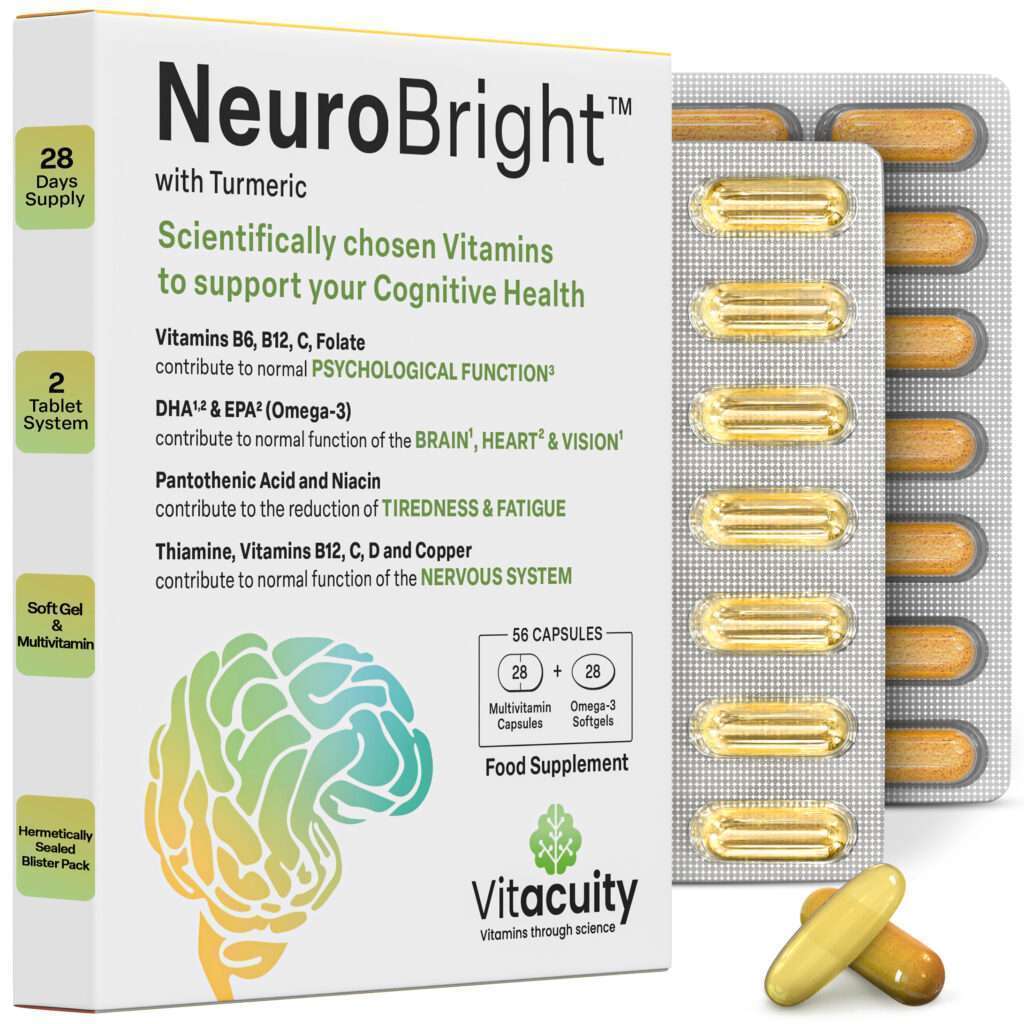
The nutrients that matter, the forms that work, and the claims to ignore.