The Supplement Timing Question — Does When You Take Them Actually Matter?
Quick Read When you take supplements matters far less than whether you take them consistently. Most supplements work by building
We write a new article on supplements every day , all detailed, with citations.
Once a week we send an email containing a list of the last 7 days articles. Please sign up and also feel free to share the articles with friends and family who you think might benefit.
Simon Parrott – Vitacuity Ltd
Omega-3 fatty acids, particularly EPA and DHA, are structural components of brain cell membranes that help neurons communicate efficiently. Your brain is roughly 60% fat, and these omega-3s keep cell membranes fluid and flexible, which matters for verbal fluency and language skills. Research shows mixed but cautiously positive results: a 12-week trial found flaxseed oil improved word generation in older adults, a 30-month trial showed sustained cognitive benefits from high-dose fish oil, and a meta-analysis of 58 studies found language improvements with higher doses.
The research suggests supplementation works best for people with low baseline omega-3 levels rather than as a universal cognitive boost. A key finding is that EPA may be more cognitively active than DHA for brain function. Benefits typically require months of consistent use rather than weeks, and doses in trials ranged from 1,400mg to 3,360mg daily. The evidence is strongest for older adults and those with inadequate dietary intake.
Most people don’t eat enough oily fish to maintain optimal omega-3 levels, making supplementation a practical option. Fish oil and flaxseed oil are both safe at standard doses, though EPA-rich supplements may have a cognitive edge. The research does not yet definitively show exactly how much omega-3 you need or for how long, but consistent daily supplementation appears sound given how fundamental these fats are to brain structure.
Verdict: The evidence for omega-3 supplementation and verbal fluency is cautiously positive, especially for older adults and those with low baseline levels, though benefits require sustained use over months rather than weeks.
What if the reason you occasionally stumble over words, lose your train of thought mid-sentence, or find yourself saying “you know, the thing” more than you used to, isn’t simply age, stress, or a bad night’s sleep? What if part of the answer is sitting in your cell membranes right now, quietly determining how well your brain retrieves and produces language? Omega-3 fatty acids have long been associated with heart health, but the story of what they do to the brain, and specifically to your ability to think and speak fluidly, is considerably more interesting, and considerably more actionable, than most people realise. Vitacuity analysed over 1.77 million research papers and selected the most relevant studies on this topic. Here is what the evidence actually says.
Your brain is roughly 60% fat by dry weight. A substantial portion of that fat is docosahexaenoic acid (DHA), one of the two primary long-chain omega-3 fatty acids, the other being eicosapentaenoic acid (EPA). These aren’t incidental passengers in your brain cells. They are structural components of the phospholipid membranes that surround every neuron, the biological scaffolding that determines how efficiently your brain cells communicate with one another [8].
Think of your cell membranes as the hardware your brain runs on. DHA keeps those membranes fluid and flexible, which matters because neurons need to fire signals quickly and accurately. When membranes become rigid, which can happen with age or with low omega-3 intake, signal transmission slows. EPA, meanwhile, appears to play a more regulatory role, influencing mood, inflammation, and cognitive efficiency rather than acting purely as a structural building block [8].
There is also a third omega-3 worth knowing: alpha-linolenic acid (ALA), found in plant sources like flaxseed oil. ALA is a precursor to DHA, your body can theoretically convert it, but that conversion is slow and inefficient in humans. Nonetheless, as we’ll see, ALA itself may have direct cognitive benefits worth taking seriously [1].
Verbal fluency specifically, the ability to rapidly generate words, sentences and ideas, is governed largely by the prefrontal cortex and frontal lobe networks. These executive functions depend heavily on fast, efficient neural transmission. They are also among the first cognitive domains to show subtle decline with age. The question researchers have been asking is whether keeping omega-3 levels topped up can protect or even improve this capacity.
Most omega-3 research focuses on fish-derived DHA and EPA. But a 2023 randomised, double-blind, placebo-controlled trial published by Shingai and colleagues tested something different: flaxseed oil, rich in alpha-linolenic acid (ALA) [1].
Sixty healthy older adults aged 65 to 80 were randomly assigned to receive either 3.7g per day of flaxseed oil (containing 2.2g of ALA) or a placebo of corn oil for 12 weeks. Researchers measured six cognitive domains including attention, executive function, working memory, and processing speed.
The standout finding was verbal fluency. Scores on the Frontal Assessment Battery, a neuropsychological test where participants generate as many words as possible in a set time, improved significantly more in the flaxseed oil group (0.30 ± 0.53) compared to the placebo group (0.03 ± 0.49). This was a statistically significant difference, and it was specific: no other cognitive domains reached significance.
Evidence grade: Promising. This is a properly designed RCT, but with only 60 participants and a 12-week duration. The verbal fluency finding is a genuine signal worth watching, but it needs replication in larger, longer trials before we can say more.
If one study suggests omega-3 and verbal fluency are linked, a 2021 secondary analysis of a randomised clinical trial published in the *American Journal of Clinical Nutrition* provides considerably stronger evidence [6].
Two hundred and eighty-five adults with stable coronary artery disease were randomly assigned to either 3.36g per day of EPA and DHA combined (as omega-3 ethyl esters) or a control group for 30 months. Cognitive function was assessed via neuropsychological testing at baseline, 12 months, and 30 months.
The results were striking. Over the 30-month period, the omega-3 group had significantly better scores than the control group on a combined measure of verbal fluency, language, and memory (mean difference: 1.08; 95% CI: 0.25–1.91; p = 0.011). The improvement appeared to emerge at the 12-month mark, suggesting that sustained supplementation, not a short burst, is what drives the effect.
The omega-3 group also outperformed controls on two tests of visual-motor coordination. Importantly, post-hoc analyses found no difference by age, sex, or diabetes status, the effect held across the board.
Evidence grade: Promising to Strong. This is a well-designed RCT with 285 participants and a 30-month follow-up, which is unusually long by the standards of supplement research. The limitation is that the sample had coronary artery disease, so we cannot be entirely certain these findings apply to the general healthy population.
Beyond controlled trials, observational data from a 2025 analysis of the US National Health and Nutrition Examination Survey (NHANES) adds important real-world context [3].
Researchers analysed data from 2,430 older adults aged 60 and above. They found significant positive correlations between omega-3 dietary intake and scores across three cognitive assessments, including the Animal Fluency Test, a standard verbal fluency measure where participants name as many animals as possible in 60 seconds.
In their fully adjusted model, the beta coefficient for the Animal Fluency Test was statistically significant (95% CI: 0.33–0.72), meaning higher omega-3 intake was independently associated with better verbal fluency even after controlling for other variables.
This is cross-sectional data, it cannot prove causation, but the consistency with the RCT findings above is meaningful. The relationship held across subgroups, suggesting it is not an artefact of a specific population.
Evidence grade: Promising. Cross-sectional observational data in a large real-world sample, consistent with RCT findings, but causation cannot be confirmed from this study design alone.
The most comprehensive picture comes from a 2025 systematic review and dose-response meta-analysis published in *Scientific Reports*, which synthesised 58 randomised controlled trials on omega-3 supplementation and cognitive function [4].
Every 2,000mg per day increment in omega-3 supplementation was associated with significant improvements across multiple cognitive domains, including, critically for this topic, language (SMD: 0.98; 95% CI: 0.41–1.54). Attention, perceptual speed, primary memory, visuospatial functions, and global cognitive abilities also showed significant improvements.
The dose-response analysis found that global cognitive benefits increased with higher omega-3 doses up to a point, after which they plateaued or slightly decreased, suggesting there may be an optimal range rather than a simple “more is better” relationship.
The GRADE certainty ratings were low to moderate, which the authors attribute to heterogeneity across trials, different populations, doses, forms of omega-3, and durations. This is an important caveat. But 58 RCTs pointing in a consistent direction is not something to dismiss lightly.
Evidence grade: Promising to Strong. The breadth of the meta-analysis is impressive; the GRADE ratings of low-to-moderate reflect real variability in trial quality rather than absence of effect.
One of the more surprising findings in recent research is that EPA and DHA may not be interchangeable, and for cognition, EPA appears to have the edge.
A 2021 RCT published in the *American Journal of Clinical Nutrition* randomised 310 healthy adults aged 25 to 49 into three groups: EPA-rich oil (900mg EPA/270mg DHA per day), DHA-rich oil (900mg DHA/360mg EPA per day), or olive oil placebo, for 26 weeks [11].
EPA-rich oil improved both global cognitive accuracy and speed compared to placebo (accuracy p = 0.044; speed p = 0.003). DHA-rich oil showed no significant cognitive benefit over placebo. Memory accuracy was also significantly better with EPA than DHA (p = 0.034). Interestingly, both EPA and DHA showed trends toward reduced prefrontal cortex oxygenated haemoglobin, interpreted by the authors as a sign of greater *neural efficiency* (the brain achieving the same results with less metabolic effort).
A 2020 editorial in *Current Opinion in Clinical Nutrition and Metabolic Care* echoed this debate, raising the question of whether it is time to treat EPA and DHA as distinct interventions for brain and heart separately, rather than always combining them [12].
Evidence grade: Promising. The EPA-DHA distinction is an emerging and important area of research, but this is based on a relatively small number of trials directly comparing the two. The finding is plausible and consistent with mechanistic reasoning, but needs replication.
A 2023 exploratory study published in *Brain Sciences* examined 40 cognitively healthy older adults (mean age 76.3 years) who completed neurocognitive testing, blood draws, and structural brain MRI [14].
EPA levels and an overall omega-3 index were associated with delayed memory recall and processing speed. Crucially, both EPA and DHA levels correlated significantly with total white matter volume, the brain’s communication network. The omega-3 index was also associated with entorhinal cortex thickness, a region critical to memory consolidation.
This is a small, exploratory study and cannot establish causation. But it adds a structural dimension to the story: omega-3 levels are not just associated with cognitive test performance but with the physical architecture of the ageing brain.
Evidence grade: Early stage to Promising. Small sample (n=40), exploratory design, cross-sectional. The structural brain findings are biologically plausible and worth attention, but far from conclusive.
A 2020 RCT published in *Psychological Medicine* provides one of the most important nuances in this entire field [10].
Two hundred and seventy-one healthy mid-life adults (aged 30–54) consuming very low omega-3 diets received 1,400mg per day of EPA and DHA (from fish oil) or placebo for 18 weeks. Overall, supplementation did not significantly improve any of the four cognitive domains tested.
But here is the critical detail: exploratory analyses revealed that participants with *low baseline DHA levels* did show improved executive function with supplementation, while those with adequate baseline levels did not.
This matters enormously for interpretation. It suggests omega-3 supplementation may function as deficiency correction more than universal enhancement, people who are genuinely low may benefit significantly, while those already at good levels may see little change. This likely explains much of the conflict in the literature.
Evidence grade: Promising. Well-designed RCT, but the key finding emerged from exploratory subgroup analysis rather than the primary outcome, which is a limitation. The insight about baseline status is clinically important.
The omega-3 and cognition literature is genuinely conflicted in places, and honesty demands we explain exactly why, because the conflict is informative rather than discouraging.
Why do some trials find no effect? Several factors explain the inconsistency. First, as the 2020 RCT showed [10], supplementation may only benefit people who are deficient. Giving omega-3s to people who are already replete is unlikely to show a dramatic effect, just as giving vitamin C to someone who isn’t deficient won’t eliminate their scurvy risk (they don’t have any). Second, doses vary wildly across studies, from under 500mg to over 3,000mg per day. Third, the ratio of EPA to DHA differs, and these may have distinct cognitive effects [11][12]. Fourth, trial duration matters: the 30-month RCT [6] found effects that a 12-week trial might miss entirely.
A 2025 review titled *”Nourishing the Brain or the Mood?”* concluded that omega-3s may benefit psychological outcomes (mood, stress, depression) more reliably than cognitive outcomes in healthy adults, particularly at lower doses [2]. This is a fair and important point. The cognitive benefits appear most consistent in older adults, those with lower baseline intake, and those at higher cognitive risk, not necessarily in all healthy adults across all ages.
We don’t yet know the optimal dose for verbal fluency specifically. The flaxseed trial used 2.2g of ALA [1]; the coronary artery disease trial used 3.36g EPA+DHA [6]; the meta-analysis found benefits per 2,000mg increment [4]. There is no precise, agreed optimal dose for language-specific cognitive benefits.
We don’t know how long you need to supplement. The 18-week trial found no overall effect [10]; the 12-week trial found a verbal fluency signal [1]; the 30-month trial found the clearest sustained improvement [6]. Duration appears to matter, but exactly how much time is needed is unclear.
The ALA finding needs replication. The 2023 flaxseed RCT [1] is a single study with 60 participants. ALA’s conversion to DHA in humans is known to be limited. Whether the verbal fluency benefit comes from the ALA itself or from partial DHA conversion is unknown.
Most of the structural brain data is cross-sectional and exploratory [14]. We cannot yet confirm that supplementing omega-3s will grow or preserve brain volume, only that higher omega-3 blood levels are associated with better brain architecture in observational studies.
Here is what a sensible, well-informed friend would actually tell you after reading all of this research.
Start with your diet, but be realistic. The research consistently shows that people with *low* omega-3 intake benefit the most [10]. If you regularly eat oily fish (salmon, mackerel, sardines, herring) two to three times a week, your baseline may already be reasonable. But in the UK, most people don’t consistently hit that target, which means most people reading this are probably in the group who would benefit from supplementation.
Supplement daily. It is safe, practical, and the risk of deficiency far outweighs the risk of supplementing. Omega-3s at standard doses (1,000–3,000mg EPA+DHA per day) are among the safest supplements in existence. There is no meaningful risk of toxicity at these levels. Testing your omega-3 index before starting is possible but not essential, the practical default is to supplement and benefit from it rather than wait for a blood test that is neither cheap nor widely available.
Pay attention to the EPA:DHA ratio. The 2021 RCT found EPA-rich oil outperformed DHA-rich oil for cognitive outcomes [11], and the EPA-DHA distinction is increasingly important in the literature [12]. If cognitive function is your primary goal, consider a supplement with a higher EPA ratio rather than a standard equal-blend fish oil. That said, both are likely beneficial, and a high-quality combined supplement is a solid starting point.
Think in months, not weeks. The most impressive cognitive finding, verbal fluency, language, and memory improvement, came from a 30-month trial [6]. If you take omega-3s for six weeks and feel nothing, that is not evidence they are not working. Structural and functional brain changes operate on a slower timeline than, say, a caffeine hit. Commit to at least six months before evaluating.
If you are plant-based or fish-averse, ALA from flaxseed oil is genuinely worth considering. The 2023 trial showed a real verbal fluency improvement at 3.7g flaxseed oil per day in older adults [1]. It is not a perfect substitute for marine EPA and DHA, ALA conversion is limited, but it is a legitimate option, and potentially better than nothing by a meaningful margin.
The broader picture. Omega-3s are not a magic bullet for cognition, and this post has not pretended otherwise. But across 58 RCTs, a large population study, and a 30-month trial specifically showing verbal fluency benefits, the signal is real and consistent enough to act on, especially given the safety profile and the likelihood of deficiency. For a nutrient this fundamental to brain membrane structure, and this commonly under-consumed, the case for daily supplementation in anyone aged 40 and above is, frankly, hard to argue against.
Your words, your recall, your ability to think clearly and speak fluently as you age, they depend on fat. The right kind. Make sure you’re getting enough of it.
[1] Shingai, et al. *Supplementation with Flaxseed Oil Rich in Alpha-Linolenic Acid Improves Verbal Fluency in Healthy Older Adults* (2023). https://pubmed.ncbi.nlm.nih.gov/36986229/
[2] *Nourishing the Brain or the Mood? Dietary Omega-3s for Psychological, but Not Cognitive Health* (2025). DOI: 10.3390/nu18010050 | https://pubmed.ncbi.nlm.nih.gov/41515168/ | https://www.ncbi.nlm.nih.gov/pmc/articles/PMC12787927/
[3] *Dietary omega-3 intake and cognitive function in older adults* (2025). DOI: 10.1177/00912174241284925 | https://pubmed.ncbi.nlm.nih.gov/39277856/
[4] *A systematic review and dose response meta analysis of Omega 3 supplementation on cognitive function* (2025). DOI: 10.1038/s41598-025-16129-8 | https://pubmed.ncbi.nlm.nih.gov/40836005/ | https://www.ncbi.nlm.nih.gov/pmc/articles/PMC12368174/
[5] *The influence of n-3 polyunsaturated fatty acids on cognitive function in individuals without dementia: a systematic review and dose-response meta-analysis* (2024). https://pubmed.ncbi.nlm.nih.gov/38468309/
[6] *ω-3 Ethyl ester results in better cognitive function at 12 and 30 months than control in cognitively healthy subjects with coronary artery disease: a secondary analysis of a randomized clinical trial* (2021). DOI: 10.1093/ajcn/nqaa420 | https://pubmed.ncbi.nlm.nih.gov/33675344/ | https://www.ncbi.nlm.nih.gov/pmc/articles/PMC8243604/
[7] *Omega-3 fatty acids and cognitive decline: a systematic review* (2019). DOI: 10.20960/nh.02496 | https://pubmed.ncbi.nlm.nih.gov/31215788/
[8] Kidd, P.M. *Omega-3 DHA and EPA for cognition, behavior, and mood: clinical findings and structural-functional synergies with cell membrane phospholipids* (2007). https://pubmed.ncbi.nlm.nih.gov/18072818/
[10] *The effects of omega-3 fatty acids on neuropsychological functioning and brain morphology in mid-life adults: a randomized clinical trial* (2020). DOI: 10.1017/S0033291719002617 | https://pubmed.ncbi.nlm.nih.gov/31581959/ | https://www.ncbi.nlm.nih.gov/pmc/articles/PMC8109262/
[11] *Supplementation with oil rich in eicosapentaenoic acid, but not in docosahexaenoic acid, improves global cognitive function in healthy, young adults: results from randomized controlled trials* (2021). DOI: 10.1093/ajcn/nqab174 | https://pubmed.ncbi.nlm.nih.gov/34113957/ | https://www.ncbi.nlm.nih.gov/pmc/articles/PMC8408864/
[12] *Editorial: Is it time to separate EPA from DHA when using omega-3 fatty acids to protect heart and brain?* (2020). DOI: 10.1097/MCO.0000000000000632 | https://pubmed.ncbi.nlm.nih.gov/32028319/
[13] *Docosahexaenoic acid and adult memory: a systematic review and meta-analysis* (2015). https://pubmed.ncbi.nlm.nih.gov/25786262/
[14] *Omega-3 Fatty Acids, Cognition, and Brain Volume in Older Adults* (2023). DOI: 10.3390/brainsci13091278 | https://pubmed.ncbi.nlm.nih.gov/37759879/ | https://www.ncbi.nlm.nih.gov/pmc/articles/PMC10526215/
[15] *A randomised control trial in schoolchildren showed improvement in cognitive function after consuming a bread spread, containing fish flour from a marine source* (2009). https://pubmed.ncbi.nlm.nih.gov/19201180/
This article is for informational purposes only and does not constitute medical advice. Food supplements should not be used as a substitute for a varied and balanced diet and healthy lifestyle. If you are pregnant, breastfeeding, taking medication or have a medical condition, consult your doctor before taking any supplement. These statements have not been evaluated by the Food and Drug Administration (FDA) or the Medicines and Healthcare products Regulatory Agency (MHRA). This product is not intended to diagnose, treat, cure, or prevent any disease.
Quick Read When you take supplements matters far less than whether you take them consistently. Most supplements work by building
Quick Read Creatine is known as a muscle supplement, but emerging research suggests it may also boost brain performance. Your
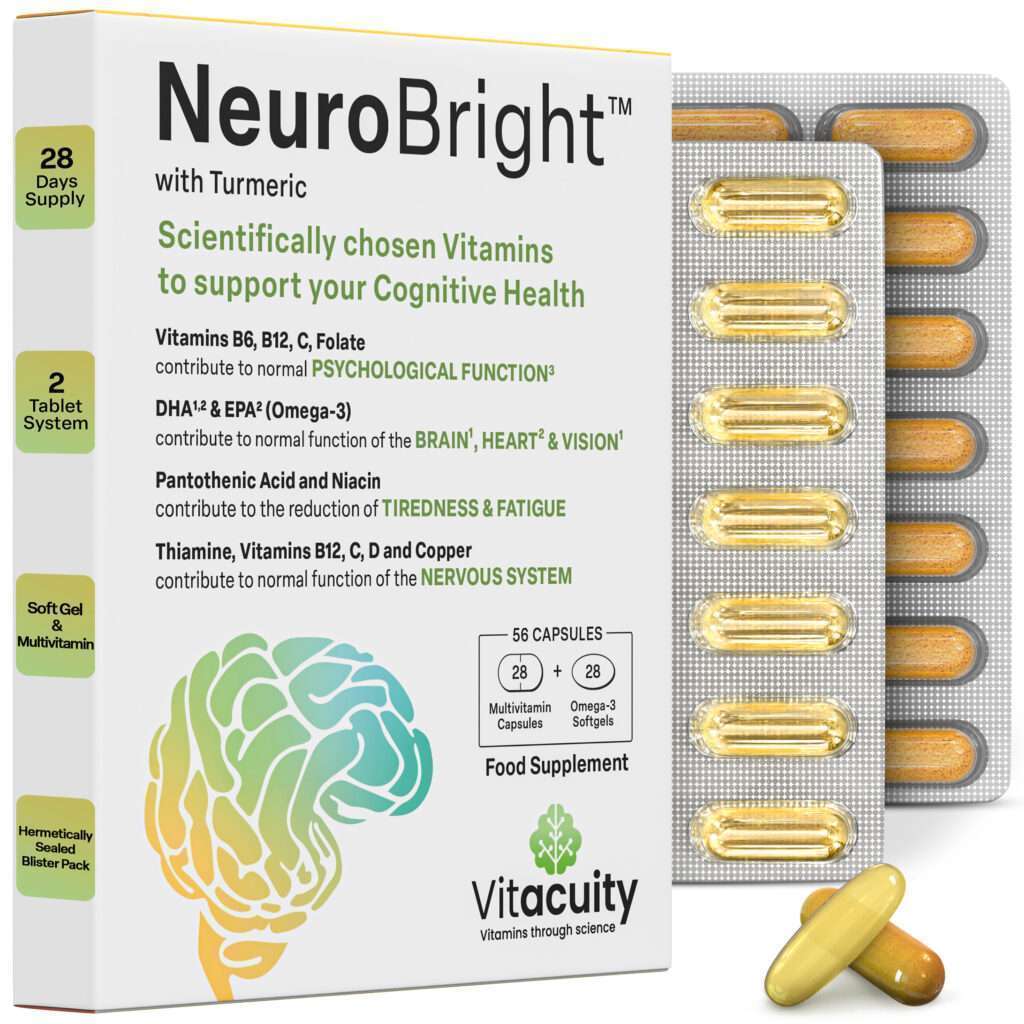
Free guide: The research behind brain health supplements
Plus our weekly research digest — straight to your inbox.
Just leave your email address.