The Supplement Timing Question — Does When You Take Them Actually Matter?
Quick Read When you take supplements matters far less than whether you take them consistently. Most supplements work by building
We write a new article on supplements every day , all detailed, with citations.
Once a week we send an email containing a list of the last 7 days articles. Please sign up and also feel free to share the articles with friends and family who you think might benefit.
Simon Parrott – Vitacuity Ltd
Your brain needs multiple nutrients working together, not single supplements in isolation. The strongest evidence supports a foundation of omega-3 fatty acids (DHA and EPA), B vitamins, vitamin D, and vitamin C. These nutrients work because your brain uses them to build nerve cell membranes, make neurotransmitters, and protect itself from damage. Studies show this multi-nutrient approach works better than any single ingredient alone, especially for people with early memory problems or metabolic risk factors.
Beyond the foundation, phosphatidylserine and Bacopa monnieri have decent supporting evidence, while popular herbs like Ginkgo biloba show mixed results. Most individual supplements tested in healthy adults haven’t shown compelling benefits on their own, which is why combination matters. The research is honest about its gaps: we don’t know optimal doses for combinations, results vary hugely between individuals, and most botanical studies are small or poorly designed.
The biggest brain-health finding isn’t about supplements at all. A Mediterranean-style diet rich in fish, vegetables, and olive oil consistently beats any supplement stack. Supplements work best when they fill real nutritional gaps inside an otherwise healthy diet and lifestyle, not as a substitute for them.
Verdict: Build a foundation of omega-3s, B vitamins, vitamin D, and vitamin C, and skip expensive single-ingredient brain supplements that lack solid evidence.
What if the reason most brain health supplements don’t work isn’t the ingredients themselves, but the way we’re using them? One at a time, in isolation, chosen from a label that promises the world and delivers very little. The supplement industry for brain health is now worth over $7.6 billion globally, predicted to nearly double by 2030 [2]. And yet, as any honest reading of the research will tell you, the science for many of these products remains surprisingly thin.
That doesn’t mean supplementation is pointless. Far from it. But building a brain health stack that’s actually grounded in evidence is less about picking the trendiest ingredient and more about understanding what your brain genuinely needs, and what the research genuinely supports. Vitacuity has analysed over 1.77 million research papers and selected the most relevant studies on this topic. Here’s what we found.
Your brain is not a simple machine with a single lever. It’s a metabolically hungry organ, consuming roughly 20% of your body’s energy despite representing only 2% of your body weight, that depends on a constant supply of structural building blocks, energy cofactors, anti-inflammatory compounds, and antioxidant protection [9].
This is why the concept of a “stack”, combining multiple evidence-supported nutrients rather than relying on a single magic bullet, makes biological sense. Your neuronal membranes are built from fatty acids. Your neurotransmitters are synthesised with the help of B vitamins and choline. Your brain’s defences against the oxidative stress that accumulates with age depend on vitamins C, E, and polyphenols from food. And your neurons’ long-term survival is influenced by vitamin D, which acts more like a hormone than a vitamin, with receptors throughout the brain [5].
The research increasingly supports a multi-target approach rather than a single-nutrient intervention [12]. No single supplement has been shown in randomised controlled trials to reliably prevent dementia or reverse cognitive decline on its own. But a thoughtfully constructed combination, built on the strongest evidence, honest about its gaps, is a very different proposition from the scatter-gun marketing of most off-the-shelf products [1].
The key is knowing which ingredients deserve a place in your stack, which are promising but unproven, and which are being sold to you on hope rather than data.
Evidence grade: Promising, some human data, but results are context-dependent
If there is one ingredient that belongs in almost any brain health stack, it’s omega-3 fatty acids, specifically DHA (docosahexaenoic acid) and EPA (eicosapentaenoic acid). DHA is a structural component of neuronal membranes. It’s not a nice-to-have; it’s a material from which your brain is literally made [11].
Multiple reviews have identified omega-3s as playing important roles in preserving neuronal structure and function and minimising cognitive decline [10]. A 2025 review found that multinutrient supplementation combining B vitamins and omega-3 fatty acids appears beneficial for episodic memory, particularly in people with metabolic risk factors or early cognitive impairment [3]. The same review noted that dietary patterns rich in omega-3s, like the Mediterranean diet, are consistently associated with better memory and global cognitive outcomes in observational data [3].
The honest caveat? The clinical trial picture is more mixed than the headlines suggest. A 2023 review found no “compelling evidence” for omega-3 supplementation alone specifically for memory improvement in otherwise healthy adults [2]. And a 2024 review of fish oil combined with other natural ingredients found that, in two double-blind RCTs, adding curcumin or vitamin E to fish oil did not produce additional cognitive benefits over fish oil alone [4, 15].
The weight of evidence suggests omega-3s are most valuable as a foundational structural support, particularly DHA, and most effective when combined with other key nutrients rather than taken in isolation [12]. The research on combination approaches (discussed below) is where things get more interesting.
Practical dose from the literature: Studies typically use 1–2g combined DHA/EPA daily [4, 11].
Evidence grade: Promising, strongest for those with deficiency or elevated homocysteine
B vitamins, particularly folate (B9), B6, and B12, don’t get the glamour of some botanicals, but the mechanistic case for their role in brain health is solid. They are essential cofactors in the synthesis of neurotransmitters and in the methylation cycle that controls homocysteine levels [12]. High homocysteine is associated with cognitive decline and is directly lowered by adequate B vitamin intake [5].
Low B vitamin levels have been specifically associated with cognitive decline in multiple studies, and B vitamins may even help inhibit amyloid plaque aggregation, one of the hallmarks of Alzheimer’s disease pathology [5]. A 2025 review of dietary interventions confirmed that combinations of B vitamins and omega-3 fatty acids appear beneficial for episodic memory, especially in those with early cognitive impairment or metabolic risk [3].
A 2023 review, however, found no compelling evidence for B6, B9, or B12 supplementation alone specifically for memory in healthy adults [2]. This is an important distinction, the evidence is strongest for people whose levels are already low, or who have identifiable metabolic risk factors [3].
For people in the 40–65 age bracket, B12 absorption decreases with age due to declining stomach acid production. This makes deficiency genuinely common, and largely invisible without testing [5]. Folate from diet is also frequently below optimal levels in people not eating significant quantities of leafy greens.
Vitamin logic applies here: B vitamins are water-soluble. Any excess is excreted in urine. The risk of supplementing at normal doses is essentially nil. Supplement daily, it’s safe and practical.
Evidence grade: Conflicted, consistent associations, but interventional trials are mixed
Vitamin D deficiency has been linked to increased risk of cognitive impairment and correlates with Alzheimer’s pathology [5]. In Parkinson’s disease, vitamin D shows promise in reducing dopaminergic neuron loss and improving both motor and cognitive outcomes [5]. A 2023 review found mixed results for vitamin D supplementation and memory, which likely reflects the fact that studies include both deficient and replete participants, muddying the results [2].
Here’s the honest truth about why results conflict: most vitamin D trials don’t stratify participants by their baseline blood levels. A person already at 70 nmol/L getting a supplement won’t see the same benefit as someone starting at 25 nmol/L. The conflicted results almost certainly reflect this methodological gap rather than the absence of a real effect for those who are actually deficient [1].
In the UK, where sunlight is limited for six months of the year, vitamin D deficiency is genuinely common, particularly in adults over 50 [5]. The NHS itself recommends everyone supplement during autumn and winter.
Vitamin logic: Very hard to overdose at normal supplement doses (1,000–4,000 IU daily). Toxicity requires sustained mega-doses. Supplement confidently, deficiency is far more common and harmful than excess.
Evidence grade: Promising, early but encouraging human trial data
Here’s where the research starts to point in a genuinely useful direction. Individual nutrients, tested in isolation on healthy adults with no deficiencies, predictably produce underwhelming results. But multi-nutrient combinations, designed around the brain’s actual biological needs, tell a more interesting story.
A 2014 review examined the clinical evidence for a nutrient mixture called Souvenaid, combining uridine monophosphate, choline, and omega-3 fatty acids with B vitamins and other micronutrients specifically to support neuronal membrane synthesis and synaptic function [12]. Clinical trials with this combination showed improved memory performance in patients with mild Alzheimer’s disease, a finding that no single nutrient had previously been able to demonstrate in RCTs [12].
The theoretical basis is sound: your brain needs fatty acids, choline, and uridine monophosphate together to build phospholipids for neuronal membranes. Without all three in adequate supply, the process is rate-limited [12]. This is why B vitamins, phospholipids (like phosphatidylserine and phosphatidylcholine), and omega-3s are often discussed together in the cognitive nutrition literature [11].
A 2025 review echoed this, finding that multinutrient supplementation, particularly B vitamins plus omega-3s, appeared most beneficial for episodic memory in people with metabolic risk or early cognitive impairment [3]. The evidence for combinations continues to outpace the evidence for individual nutrients in isolation.
Evidence grade: Varies, Bacopa monnieri promising; Ginkgo biloba conflicted; others early stage
The botanical market is where the noise-to-signal ratio gets highest. Walk into any pharmacy and you’ll find dozens of products built around herbs with impressive-sounding claims and, often, underwhelming clinical data. Here’s an honest breakdown.
Bacopa monnieri is arguably the strongest botanical candidate for cognitive support. It has been reviewed positively for effects on memory, attention, and cognitive processing, with available clinical data noted in a 2021 review of nootropic botanicals [6]. It’s also considered relatively safe. Evidence grade: Promising.
Ginkgo biloba is one of the most widely used supplements in the world for cognitive improvement, with proposed mechanisms around cerebral blood flow and vascularisation [11]. However, a 2010 review found “mixed evidence” for its cognitive-enhancing properties [10], and a 2023 review similarly found mixed results [2]. The research is not settled. Evidence grade: Conflicted.
Ashwagandha, curcumin, Lion’s Mane, and polyphenols all appear in a 2023 review as having “some current evidence” for memory benefit [2]. However, “some evidence” is doing a lot of work in that sentence, trial sizes are typically small, durations short, and dosing unstandardised.
Phosphatidylserine has perhaps the most consistent botanical-adjacent track record. A 2003 review found that for older adults with moderate cognitive impairment, phosphatidylserine produced consistently modest increases in recall of word lists [14]. Effects were less consistent for other memory tests, and results for healthy adults or Alzheimer’s patients were less clear [14]. Evidence grade: Promising, particularly for those with moderate cognitive impairment.
The honest botanical summary: If you’re going to add a botanical to your stack, Bacopa monnieri and phosphatidylserine have the most clinical data behind them. Most others are at early-stage or conflicted evidence levels. Don’t build your stack around them, build it on the foundation nutrients and consider botanicals as additions, not substitutes.
Evidence grade: Promising in combination; weaker evidence for individual vitamins alone
Oxidative stress is a key driver of neuronal damage as we age. The mechanistic case for antioxidant protection is strong. But translating that into supplement evidence is where it gets complicated.
Vitamin C reduces oxidative stress and preserves neuronal integrity [5]. Vitamin E has been studied for delaying Alzheimer’s disease progression and supporting functional abilities [5]. Polyphenols, found in berries, green tea, and other plant foods, have shown great potential in animal research, with human data still emerging [10].
However, a 2003 double-blind review found that vitamin E did not significantly slow memory decline in Alzheimer’s patients, and a combination of vitamins C and E did not significantly improve cognitive performance in healthy young adults [14]. A 2010 review noted that vitamins C and E appear “particularly beneficial for combating age-related oxidative stress when administered in combination”, but acknowledged that most polyphenol research at that time had been done in rodents [10].
The honest picture: antioxidant vitamins are unlikely to deliver dramatic standalone cognitive gains in already-healthy adults. But as part of a broader stack, supporting the anti-inflammatory and neuroprotective environment in which other nutrients do their work, they remain a sensible inclusion, particularly vitamin C (water-soluble and safe to supplement freely) and vitamin E at moderate doses [1, 5, 10].
Evidence grade: Strong for observational data; promising for interventional data
No discussion of a brain health stack is complete without acknowledging that the most consistent finding across the entire nutritional neuroscience literature is not about any single supplement, it’s about dietary pattern.
The Mediterranean diet, rich in fruits, vegetables, legumes, olive oil, fish, and low in processed foods and red meat, has been shown to reduce the incidence of mild cognitive impairment and probably reduce the conversion of MCI to dementia [11]. A 2022 review found that the Mediterranean diet’s ingredients (rich in antioxidant, anti-inflammatory, and neuroprotective activity) play an essential role in preventing and managing neurological diseases [9]. The 2025 dietary interventions review confirmed that antioxidant-rich diets and the MIND diet (a Mediterranean-DASH hybrid) are consistently associated with better memory and global cognitive outcomes [3].
What does this tell us? Your supplement stack is most effective when it’s filling genuine gaps in an otherwise good diet, not compensating for a poor one. The Mediterranean dietary pattern gives you the foundational omega-3s, polyphenols, B vitamins, and antioxidants; targeted supplementation addresses what diet alone may not reliably deliver, particularly for vitamins D, B12, and omega-3s in people not eating oily fish regularly [9].
Here’s where we need to be honest, and where the research itself is remarkably candid.
We don’t know the optimal combinations or doses. Almost every review in this area concludes that more research is needed on long-term use, optimal dosing, and the right populations [1, 2, 3]. What works for someone with mild cognitive impairment may not produce measurable results in a healthy 45-year-old.
Individual variation is enormous and understudied. Bioavailability, genetics, baseline nutritional status, gut microbiome, and metabolic health all affect how you respond to any given supplement [1]. A person deficient in vitamin D or B12 will respond very differently to supplementation than someone already replete.
Most botanical research is either early stage or poorly standardised. Doses, extract types, and treatment durations vary wildly between studies, making it very difficult to draw firm conclusions from the available data [6]. The lack of standardisation is a genuine problem for the field.
Combination therapy clinical data is thin. While the mechanistic logic for multi-nutrient stacks is compelling and early data is encouraging, we don’t yet have large-scale RCTs testing specific stack combinations in healthy middle-aged adults over five or ten years [4, 15]. The Souvenaid data [12] is promising but specific to Alzheimer’s patients.
Results in healthy adults are systematically harder to show. Many studies are conducted in people with existing cognitive impairment or diagnosed deficiencies. Results may not transfer to healthy, nutritionally adequate adults, though absence of evidence here is not the same as evidence of absence [2, 3].
The supplement industry is largely unregulated. The ingredients in many commercial brain health supplements have not been independently verified for purity, potency, or accuracy of labelling [2]. The quality of the product you buy matters enormously.
So, what would a sensible, well-informed person actually do? Here’s how to think about building your stack in the real world.
Start with the foundation, these are your non-negotiables:
1. Omega-3s (DHA/EPA): Take them daily. Aim for at least 1g combined EPA/DHA. If you eat oily fish (salmon, mackerel, sardines) three or more times a week, you may be covered. Most people aren’t. A good fish oil or algae-based omega-3 is the single most evidence-supported structural supplement for brain health [3, 11, 12].
2. B Vitamins: Supplement daily, it’s safe and excess is excreted. A good B-complex covers your bases for B6, B9, and B12. B12 absorption specifically declines with age, making supplementation more important from your 40s onwards [5]. Water-soluble, zero risk of accumulation. Just take them.
3. Vitamin D: Supplement confidently, especially in the UK. 1,000–4,000 IU daily is a sensible, safe range. Deficiency is common, under-recognised, and linked to cognitive risk [5]. The risk of supplementing at normal doses is trivially small compared to the risk of being deficient for years without knowing.
Build on the foundation, these add meaningful value with good supporting evidence:
4. Vitamin C: Safe, inexpensive, water-soluble. Supplement daily. 500mg–1,000mg. Antioxidant protection for neuronal integrity with essentially no downside [5, 10].
5. Phosphatidylserine: Worth considering, particularly if you’re over 50. The most consistent evidence of any phospholipid supplement for cognitive support, modest but real benefits for recall, particularly in those with some cognitive slippage [14]. 100mg daily is a typical study dose.
6. Bacopa monnieri: If you want a botanical, this is your best bet. The most clinically supported of the nootropic herbs, with data on memory and cognitive processing [6]. Give it at least 8–12 weeks, effects appear to build over time.
Honest advice on what to skip (or approach with realistic expectations):
– Ginkgo biloba: Evidence is genuinely mixed. Not a priority for your stack [2, 10]. – Curcumin alone: Interesting mechanistically, promising in some studies, but clinical evidence for cognitive benefit in humans remains weak and bioavailability is a known problem [2]. – Vitamin E in high-dose isolation: The evidence for meaningful cognitive protection is not convincing in clinical trials [14]. Getting it through diet and a multivitamin is sensible; high-dose supplementation is not well supported. – CoQ10, L-theanine, apoaequorin: A 2023 review found no compelling memory evidence for these [2]. Keep your money.
The bigger picture: Your supplement stack works best inside a broader framework of brain-healthy habits. An antioxidant-rich, Mediterranean-style diet gives you the baseline. Regular exercise, good sleep, and social engagement do things no supplement can replicate [9]. Supplementation fills genuine nutritional gaps and provides consistent delivery of key brain nutrients, it doesn’t override the fundamentals.
Build your stack on foundation, not hope. The evidence says the foundation is solid.
[1] Improving Cognitive Function with Nutritional Supplements in Aging: A Comprehensive Narrative Review of Clinical Studies Investigating the Effects of Vitamins, Minerals, Antioxidants, and Other Dietary Supplements. (2023). *Nutrients*. DOI: 10.3390/nu15245116 | https://pubmed.ncbi.nlm.nih.gov/38140375/ | https://www.ncbi.nlm.nih.gov/pmc/articles/PMC10746024/
[2] Over the Counter Supplements for Memory: A Review of Available Evidence. (2023). *CNS Drugs*. DOI: 10.1007/s40263-023-01031-6 | https://pubmed.ncbi.nlm.nih.gov/37603263/
[3] Effects of Dietary Interventions on Cognitive Outcomes. (2025). *Nutrients*. DOI: 10.3390/nu17121964 | https://pubmed.ncbi.nlm.nih.gov/40573075/ | https://www.ncbi.nlm.nih.gov/pmc/articles/PMC12196293/
[4] Combination Therapy for Sustainable Fish Oil Products: Improving Cognitive Function with n-3 PUFA and Natural Ingredients. (2024). https://pubmed.ncbi.nlm.nih.gov/38927446/
[5] The Role of Vitamins in Neurodegeneration: A Brief Review of Mechanisms, Clinical Evidence, and Therapeutic Perspectives. (2025). *Psychogeriatrics*. DOI: 10.1111/psyg.70071 | https://pubmed.ncbi.nlm.nih.gov/40659185/
[6] The Safety and Efficacy of Botanicals with Nootropic Effects. (2021). *Current Neuropharmacology*. DOI: 10.2174/1570159X19666210726150432 | https://pubmed.ncbi.nlm.nih.gov/34315377/ | https://www.ncbi.nlm.nih.gov/pmc/articles/PMC8762178/
[9] Dietary Supplements in Neurological Diseases and Brain Aging. (2022). https://pubmed.ncbi.nlm.nih.gov/36479494/
[10] Supplementing Cognitive Aging: A Selective Review of the Effects of Ginkgo Biloba and a Number of Everyday Nutritional Substances. (2010). https://pubmed.ncbi.nlm.nih.gov/20054730/
[11] Dietary Supplements for Cognitive Impairment. (2017). https://pubmed.ncbi.nlm.nih.gov/29171642/
[12] Rationale and Clinical Data Supporting Nutritional Intervention in Alzheimer’s Disease. (2014). https://pubmed.ncbi.nlm.nih.gov/24635394/
[14] “Brain-specific” Nutrients: A Memory Cure? (2003). *Nutrition*. DOI: 10.1016/s0899-9007(03)00024-8 | https://pubmed.ncbi.nlm.nih.gov/14624946/
[15] Combination Therapy for Sustainable Fish Oil Products: Improving Cognitive Function with n-3 PUFA and Natural Ingredients. (2024). https://pubmed.ncbi.nlm.nih.gov/38927446/
This article is for informational purposes only and does not constitute medical advice. Food supplements should not be used as a substitute for a varied and balanced diet and healthy lifestyle. If you are pregnant, breastfeeding, taking medication or have a medical condition, consult your doctor before taking any supplement. These statements have not been evaluated by the Food and Drug Administration (FDA) or the Medicines and Healthcare products Regulatory Agency (MHRA). This product is not intended to diagnose, treat, cure, or prevent any disease.
Quick Read When you take supplements matters far less than whether you take them consistently. Most supplements work by building
Quick Read Creatine is known as a muscle supplement, but emerging research suggests it may also boost brain performance. Your
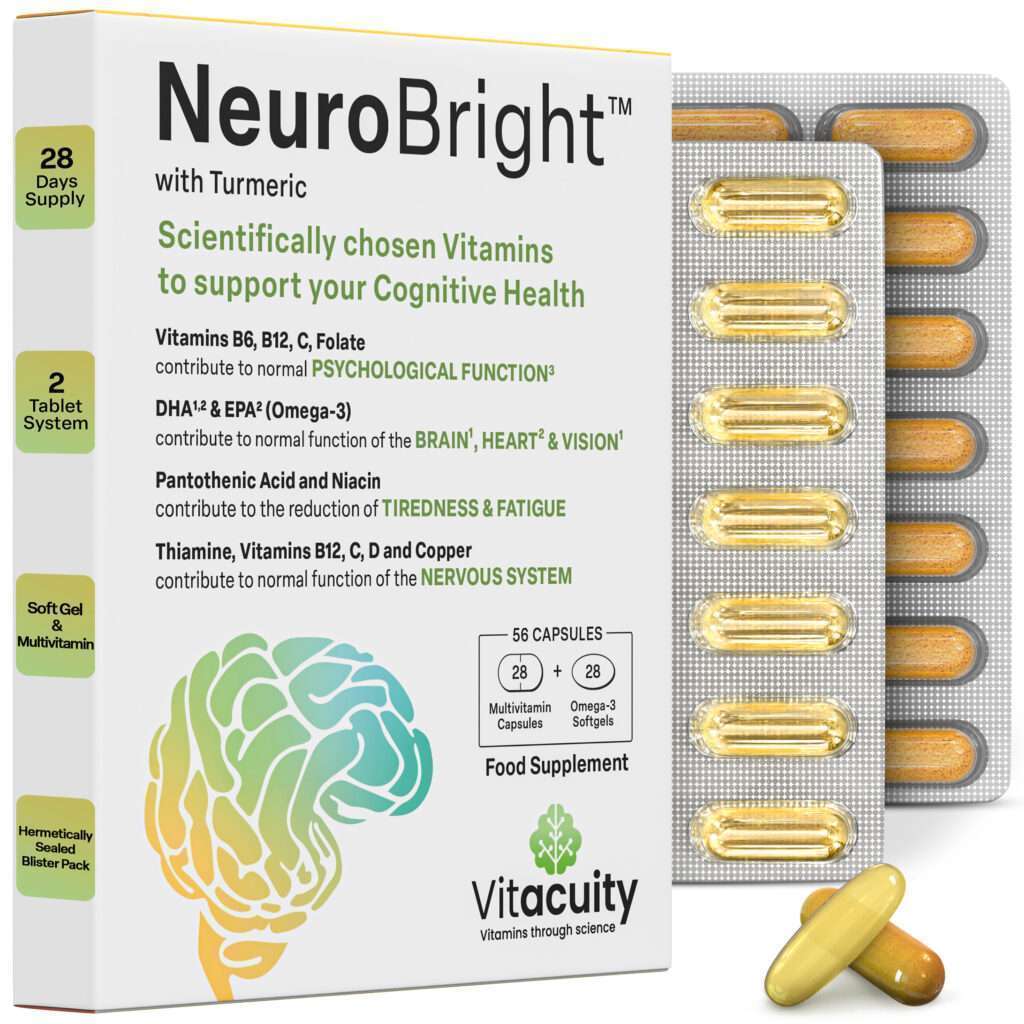
Free guide: The research behind brain health supplements
Plus our weekly research digest — straight to your inbox.
Just leave your email address.