Curcumin And Depression — The Inflammation Connection
Quick Read Depression may involve chronic, low-grade inflammation in the brain, not just a chemical imbalance. Curcumin, the active compound
We write a new article on supplements every day , all detailed, with citations.
Once a week we send an email containing a list of the last 7 days articles. Please sign up and also feel free to share the articles with friends and family who you think might benefit.
Simon Parrott – Vitacuity Ltd
Vitamin D acts like a hormone throughout your body, controlling how cells produce energy, manage inflammation, and regulate mood chemicals. When levels are low, your cells become less efficient at generating power, inflammation increases, and your motivation-related brain chemicals fall out of balance. Research consistently shows that people with low vitamin D report more fatigue than those with healthy levels.
Studies prove that correcting a vitamin D deficiency can improve tiredness, though results vary depending on the person and the cause of their fatigue. The evidence is strongest for people with confirmed deficiency, especially those recovering from viral illness. One study even measured muscle cells directly and found they produced energy more efficiently after vitamin D levels were restored.
If you live at a northern latitude, spend most time indoors, or feel persistently tired, a daily supplement of 2,000 IU of vitamin D3 (the more effective form) through autumn and winter is safe and likely worthwhile. At these doses, toxicity is not a realistic concern, and you’re supporting immune function and bone health alongside potential fatigue relief.
Verdict: Low vitamin D is a real, common, and fixable contributor to fatigue, though it may be one factor among several if exhaustion is severe or longstanding.
You’ve probably blamed your tiredness on poor sleep, too much screen time, or just the relentless pace of modern life. Fair enough, those things matter. But what if part of the reason you feel bone-tired, foggy, and unmotivated has nothing to do with your schedule, and everything to do with a molecule your body makes from sunlight? What if the exhaustion you’ve been pushing through for months is, at least in part, a vitamin deficiency, one that’s remarkably easy to fix?
Vitamin D3 and fatigue have a more complex, interesting relationship than most people realise. It’s not as simple as “take a supplement and feel great tomorrow.” But it’s also not as uncertain as “the research is all over the place, so who knows.” The truth, as is usually the case, sits somewhere more nuanced, and considerably more useful, than either of those takes. Vitacuity has reviewed over 1.77 million research papers and selected the most relevant studies on this topic to give you a clear-eyed picture of what the science actually shows.
To understand why low vitamin D might leave you exhausted, you need to understand what vitamin D actually *does* inside your body, because it’s doing a lot more than keeping your bones strong.
Vitamin D isn’t really a vitamin in the traditional sense. It behaves more like a hormone, interacting with receptors found in almost every tissue in the body, including the brain, immune system, and skeletal muscle. When your levels are sufficient, this system hums along quietly in the background. When your levels drop, a surprisingly wide range of biological processes start to falter, and fatigue is one of the first signs [1].
Here’s where it gets interesting. Research published in *Nutrients* in 2024 identified at least four distinct pathways through which low vitamin D can drive fatigue [1]:
Oxidative stress. Vitamin D appears to regulate the body’s antioxidant defences. Without enough of it, oxidative stress builds up in cells, essentially, more cellular “rust”, which impairs energy production at the most fundamental level.
Inflammatory cytokines. Low vitamin D is associated with elevated levels of pro-inflammatory signalling molecules. Chronic low-grade inflammation is one of the most well-established biological drivers of fatigue, it’s why you feel wiped out when you’re fighting an infection, and why people with inflammatory conditions like rheumatoid arthritis often report crippling tiredness.
Neurotransmitter regulation. Vitamin D plays a role in regulating both dopamine and serotonin, the neurotransmitters most closely associated with motivation, mood, and the subjective sense of having energy. An imbalance between these two, the 2024 review found, is directly linked to the genesis of fatigue [1].
Mitochondrial function. This one is particularly fascinating. Your mitochondria are the energy-generating engines inside your cells. A landmark study using magnetic resonance spectroscopy found that correcting vitamin D deficiency in symptomatic adults measurably improved mitochondrial oxidative function in skeletal muscle [11]. In plain English: their muscles started producing energy more efficiently once their vitamin D levels recovered.
Calcium and chloride channel control. Vitamin D also regulates voltage-gated calcium and chloride channels, structures that govern how muscle cells contract and how nerve signals are transmitted [1]. Dysfunction here can contribute to muscle weakness, cramps, and the heavy, leaden sensation that many vitamin D-deficient people describe.
What’s striking about this picture is that vitamin D isn’t influencing energy through one mechanism, it’s influencing it through at least five. That breadth of action helps explain both why deficiency can cause such pervasive, hard-to-pin-down exhaustion, and why the research on correction is sometimes complicated.
The link between low vitamin D and fatigue is one of the more robust observational findings in this area. A 2025 study using data from the IMAGE cohort, 273 participants across four groups including healthy elderly, frail elderly, frail elderly with cancer, and healthy young controls, found that vitamin D levels were a significant independent predictor of fatigue, frailty, and reduced muscle strength [3].
The numbers were striking. Healthy elderly participants had median vitamin D levels of 82 nmol/L and reported median fatigue scores of just 2 out of 10. Frail elderly without cancer had median levels of 54 nmol/L and fatigue scores of 5. Frail elderly with cancer had median levels of 47 nmol/L and fatigue scores of 7. Regression models confirmed that low vitamin D was independently associated with increased fatigue (p < 0.001), even after accounting for other variables [3].
Evidence grade: Promising, this is a well-conducted prospective observational study, but it cannot prove causation. It tells us that low vitamin D and fatigue travel together consistently; it doesn’t prove that one causes the other.
A separate 2020 study from India added useful scale to this picture [7]. Over 1,200 women presenting to primary care with fatigue (and no identified medical illness) were screened for vitamin D levels. The result? 84.8% of these fatigued women had low vitamin D. Those who received cholecalciferol therapy showed significant improvement in fatigue assessment questionnaire scores after treatment.
The study was non-randomised, a limitation worth noting, but the sample size and the magnitude of the deficiency prevalence are hard to dismiss [7].
This is where the story gets more nuanced, and we want to be straight with you.
The best-quality evidence comes from a double-blind, randomised, placebo-controlled trial published in 2016, the gold standard of clinical research [6]. Vitamin D-deficient adults received vitamin D3 supplementation and self-reported fatigue was measured. The trial found a significant improvement in self-perceived fatigue in the treatment group compared to placebo.
Supporting this, a 2019 prospective cohort study of 152 active-duty soldiers found that those with low vitamin D who were supplemented for 90 days showed statistically significant improvements in both fatigue and sleep as measured by the Patient-Reported Outcomes Measurement Information System (PROMIS) scores (p < 0.01) [14]. Vitamin D intake in the cohort at baseline was only 44% of the Recommended Dietary Allowance, a reminder of how common insufficiency is even in physically active populations.
Evidence grade: Promising-to-conflicted, the positive trials exist, but the overall picture is inconsistent enough that we can’t call this settled science.
Why? Because a well-designed 2015 randomised controlled trial of 50 chronic fatigue syndrome patients told a different story [8]. Participants received either high-dose intermittent vitamin D3 (100,000 IU every two months for six months) or placebo. Vitamin D levels rose significantly in the treatment group, by 22 nmol/L relative to placebo, but there was no improvement in fatigue scores on the Piper Fatigue Scale (adjusted treatment effect 0.2 points; 95% CI -0.8 to 1.2; p = 0.73) [8].
This matters. And it illustrates why the evidence is conflicted rather than simply positive. More on that shortly.
A 2014 review in *Immunology Letters* made a compelling case for an immune-mediated pathway between vitamin D deficiency and fatigue [9]. The argument runs like this: vitamin D is essential for the proper functioning of both innate and adaptive immunity. In deficiency, the secretion of cathelicidin, an antimicrobial peptide, is reduced. Phagocytosis, antigen processing, and the regulation of T-cells, B-lymphocytes and natural killer cells all become disrupted. The result is persistent low-grade immune activation, chronic inflammation, and, fatigue [9].
This immune connection may be particularly relevant for people experiencing fatigue in the context of viral illness, which brings us to some of the newer data.
A 2025 retrospective study examined 28 patients who developed myalgic encephalomyelitis/chronic fatigue syndrome (ME/CFS) following COVID-19 vaccination [4]. At their initial visit, 27 of the 28 patients had insufficient or deficient vitamin D levels (mean 16 ± 4 ng/mL). Following vitamin D replacement therapy, including supplementation, dietary guidance, and sun exposure advice, vitamin D levels rose to 28 ± 5 ng/mL, and ME/CFS diagnostic symptom scores fell dramatically from 10.3 ± 2.1 to 3.3 ± 2.0. Notably, 82% of patients no longer met ME/CFS diagnostic criteria after treatment, with sleep problems showing the most improvement (71%), followed by autonomic symptoms (68%) [4].
A separate 2025 case-control study found significantly lower vitamin D levels in post-COVID syndrome (PCS) patients (mean ~17 ng/mL) compared to a non-PCS control group (mean ~22-24 ng/mL), across multiple years of data [5].
Evidence grade for post-COVID findings: Early stage to Promising, the retrospective ME/CFS study had no control group, and we can’t rule out natural recovery or the placebo effect. But the consistency of findings, profound deficiency in symptomatic patients, meaningful improvement with correction, is clinically notable and warrants the ongoing RCT the authors are now preparing [4].
Of all the mechanisms linking vitamin D to fatigue, the mitochondrial one may be the most directly compelling, because it’s measurable, objective, and hard to explain away.
The 2013 study using phosphorus magnetic resonance spectroscopy examined skeletal muscle mitochondrial function in symptomatic, vitamin D-deficient adults before and after cholecalciferol therapy [11]. Mitochondrial oxidative phosphorylation, the process by which cells generate ATP, the body’s energy currency, improved measurably following correction of deficiency.
This is important because it suggests that the fatigue experienced by vitamin D-deficient people isn’t purely subjective or mood-related. There is a real, quantifiable decline in the capacity of muscle cells to produce energy when vitamin D levels are low, and that capacity improves when levels are restored [11].
Evidence grade: Promising, this was a small longitudinal study without a placebo arm, so we can’t rule out confounding factors. But the use of objective spectroscopy (rather than self-report) makes the findings noteworthy.
A 2025 dose-comparison pilot study followed 35 young healthy volunteers through two winter seasons, testing daily doses of 1,000, 2,000, 4,000 and 8,000 IU of cholecalciferol (D3) over 60-day periods [2].
Key findings: – 1,000 IU/day raised levels into the recommended range (above 75 nmol/L) but couldn’t sustain them through a 30-day break – 2,000 IU/day maintained levels within the recommended range even after a break, the minimum effective maintenance dose – 4,000 IU/day produced a rapid rise and sustained levels above 100 nmol/L, useful for those seeking broader health benefits – 8,000 IU/day produced a more dramatic rise and fall, less stable over time
No toxicity was observed at any of the doses tested [2].
Evidence grade: Promising, this was a small pilot study (35 participants) but the dose-response findings are internally consistent and align with broader supplementation research.
A separate 2017 pharmacist-focused review confirmed that cholecalciferol (D3) is meaningfully more effective than ergocalciferol (D2) at raising and maintaining serum 25(OH)D levels, relevant if you’re comparing supplement forms [15].
Let’s be honest about the gaps, because they matter.
Why does correcting deficiency sometimes not work? The 2015 CFS randomised trial found no fatigue benefit despite a significant rise in vitamin D levels [8]. One plausible explanation: in chronic fatigue syndrome, fatigue is multifactorial. Low vitamin D may be one contributor among many, and correcting it alone may not be sufficient to overcome the full burden of the condition. The dose and timing used (intermittent high doses rather than daily supplementation) may also have produced suboptimal tissue-level effects despite raising serum levels.
Causation versus correlation. Most of the observational data, including the IMAGE study [3] and the post-COVID studies [4][5], tell us that low vitamin D and fatigue co-occur. They don’t definitively prove that the low D caused the fatigue. Fatigued people may go outdoors less (reducing sun exposure and thus vitamin D synthesis), creating a reverse causation problem.
Optimal target levels remain debated. The 2025 dose study used 75 nmol/L as the “recommended range” lower threshold and 100 nmol/L as the target for broader benefits [2], but different guidelines set different thresholds. There is no global consensus on what “optimal” means for energy and fatigue specifically.
Most trials are short and relatively small. Even the positive RCTs in this field involve modest sample sizes and follow-up periods of six months or less. Long-term data on fatigue outcomes from sustained vitamin D optimisation is limited.
The ME/CFS retrospective study needs a proper RCT. The 82% improvement rate in post-vaccination ME/CFS patients is striking, but without a control group, we cannot draw firm conclusions [4]. The authors acknowledge this and are preparing a randomised trial, which is exactly the right next step.
The 2024 narrative review puts it well: vitamin D is “significantly involved in regulating mechanisms governing fatigue,” but “other factors could also play a role” [1]. That’s not a reason to dismiss the research, it’s a reason to understand it clearly.
Here’s what a sensible, well-informed friend would tell you after reading all of this:
Vitamin D deficiency is common, especially in the UK. If you live at a northern latitude, spend most of your time indoors, and don’t take a supplement, there is a real probability that your levels are suboptimal, particularly in the autumn and winter months. The population-level data on this is not subtle [2][14].
The link between low D and fatigue is real and biologically plausible. It’s not just an association, there are at least five distinct mechanisms through which low D impairs energy production, mood regulation, immune function, and muscle performance [1][9][11]. This isn’t speculative. It’s well-documented biochemistry.
Correcting deficiency is worth doing for many reasons, fatigue is one of them. Even if the fatigue trials are mixed, you’re also potentially helping your immune system, your bones, your muscles, and your mood. The risk-benefit calculus here is straightforward [1][9][14].
On dose: the practical default is 2,000 IU of D3 daily through autumn and winter. This was the minimum dose that maintained levels in the recommended range in the 2025 pilot study [2]. If you suspect deficiency, 4,000 IU is a reasonable step up and was shown to be safe in the same study. Vitamin D is fat-soluble, but toxicity at these doses is not a realistic concern, it requires sustained mega-doses well above the range discussed here. The 2025 dose study used up to 8,000 IU without safety issues [2]. Deficiency is far more common and far more harmful than supplementation at sensible doses.
Should you get tested first? Ideally, yes, a blood test gives you a baseline. But GP testing for vitamin D isn’t always straightforward to access, home testing kits cost money, and the reality is that if you’re in the UK, spending most of your time indoors, and feeling persistently tired, the probability of suboptimal levels is high enough to justify a low-cost D3 supplement without waiting. Water-soluble vitamins get excreted, vitamin D doesn’t, it accumulates, so a test is the better answer where practical. But don’t let the perfect be the enemy of the good. Supplement daily at 2,000 IU, take it with food (it’s fat-soluble so it absorbs better with fat), and use D3 specifically, not D2 [15].
If you’re recovering from a viral illness, or dealing with post-COVID symptoms, the emerging evidence for a vitamin D–fatigue connection in this context is particularly worth noting [4][5]. This area needs better RCTs, but the existing signal is notable, the intervention is low-risk, and the downside of not supplementing is real.
One honest caveat: if your fatigue is severe, persistent, and unexplained, vitamin D is one piece of a larger puzzle. Thyroid function, iron levels, sleep quality, and mental health all matter too. Don’t stop at vitamin D, but don’t skip it either.
The science here is genuinely interesting, and it’s still developing. What it already tells us is that running low on this particular molecule carries a real energy cost, and that restoring it is one of the simpler, cheaper, and safer things you can do for your health.
[1] Vitamin D and Its Role on the Fatigue Mitigation: A Narrative Review. (2024). *Nutrients.* DOI: 10.3390/nu16020221 | https://pubmed.ncbi.nlm.nih.gov/38257114/ | https://www.ncbi.nlm.nih.gov/pmc/articles/PMC10818509/
[2] Comparison of Vitamin D3 Supplementation Doses of 1,000, 2,000, 4,000 and 8,000 IU in Young Healthy Individuals. (2025). DOI: 10.21873/invivo.13848 | https://pubmed.ncbi.nlm.nih.gov/39740917/ | https://www.ncbi.nlm.nih.gov/pmc/articles/PMC11705152/
[3] Fatigue and Vitamin D Status in Frail Elderly with and without Cancer, and Healthy Controls of Different Ages: Results from the IMAGE Study. (2025). DOI: 10.1159/000548451 | https://pubmed.ncbi.nlm.nih.gov/40952957/ | https://www.ncbi.nlm.nih.gov/pmc/articles/PMC12622988/
[4] Efficacy of vitamin D replacement therapy on 28 cases of myalgic encephalomyelitis/chronic fatigue syndrome after COVID-19 vaccination. (2025). *Nutrition.* DOI: 10.1016/j.nut.2025.112718 | https://pubmed.ncbi.nlm.nih.gov/40090177/
[5] Decreased levels of vitamin D in Post-Corona Virus-19 Disease syndrome (PCS) patients compared to a control group. (2025). DOI: 10.1016/j.clnesp.2024.11.023 | https://pubmed.ncbi.nlm.nih.gov/39617141/
[6] Effect of vitamin D3 on self-perceived fatigue: A double-blind randomized placebo-controlled trial. (2016). https://pubmed.ncbi.nlm.nih.gov/28033244/
[7] Can self-perceived easy fatigability be a predictor of vitamin D deficiency in young Indian women? (2020). *Journal of Family Medicine and Primary Care.* DOI: 10.4103/jfmpc.jfmpc_862_19 | https://pubmed.ncbi.nlm.nih.gov/32318457/ | https://www.ncbi.nlm.nih.gov/pmc/articles/PMC7113952/
[8] Effect of intermittent vitamin D3 on vascular function and symptoms in chronic fatigue syndrome, a randomised controlled trial. (2015). *Nutrition, Metabolism and Cardiovascular Diseases.* DOI: 10.1016/j.numecd.2014.10.007 | https://pubmed.ncbi.nlm.nih.gov/25455721/
[9] Review: Vitamin D3 deficiency results in dysfunctions of immunity with severe fatigue and depression in a variety of diseases. (2014). https://pubmed.ncbi.nlm.nih.gov/24425848/
[11] Improving the vitamin D status of vitamin D deficient adults is associated with improved mitochondrial oxidative function in skeletal muscle. (2013). https://pubmed.ncbi.nlm.nih.gov/23393184/
[14] A Prospective Cohort Study of Vitamin D Supplementation in AD Soldiers: Preliminary Findings. (2019). *Military Medicine.* DOI: 10.1093/milmed/usy393 | https://pubmed.ncbi.nlm.nih.gov/30901440/
[15] Cholecalciferol (D₃) Versus Ergocalciferol (D₂) in Older Adults. (2017). https://pubmed.ncbi.nlm.nih.gov/28595683/
This article is for informational purposes only and does not constitute medical advice. Food supplements should not be used as a substitute for a varied and balanced diet and healthy lifestyle. If you are pregnant, breastfeeding, taking medication or have a medical condition, consult your doctor before taking any supplement. These statements have not been evaluated by the Food and Drug Administration (FDA) or the Medicines and Healthcare products Regulatory Agency (MHRA). This product is not intended to diagnose, treat, cure, or prevent any disease.
Quick Read Depression may involve chronic, low-grade inflammation in the brain, not just a chemical imbalance. Curcumin, the active compound
Quick Read Cold exposure, particularly ice baths, activates a biological stress response called hormesis, where controlled stress triggers the body
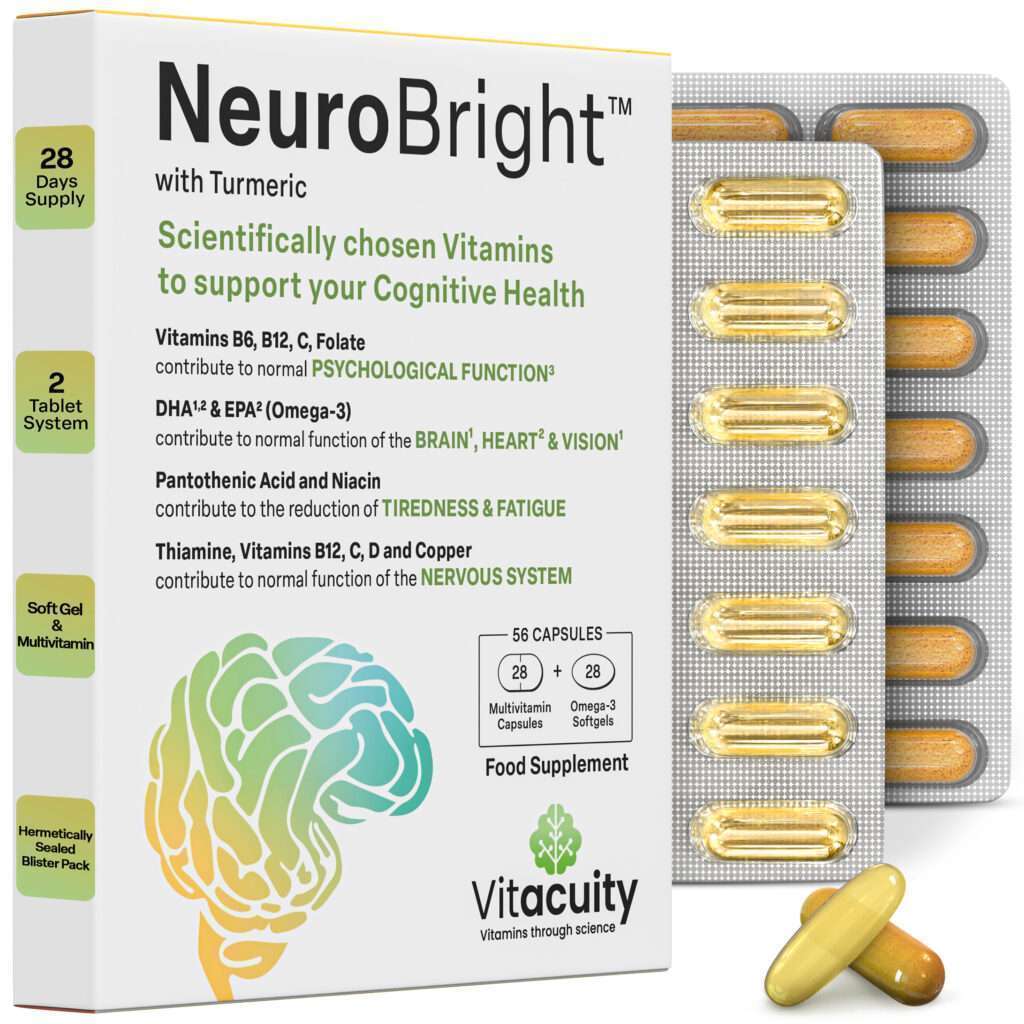
Free guide: The research behind brain health supplements
Plus our weekly research digest — straight to your inbox.
Just leave your email address.