The Supplement Timing Question — Does When You Take Them Actually Matter?
Quick Read When you take supplements matters far less than whether you take them consistently. Most supplements work by building
We write a new article on supplements every day , all detailed, with citations.
Once a week we send an email containing a list of the last 7 days articles. Please sign up and also feel free to share the articles with friends and family who you think might benefit.
Simon Parrott – Vitacuity Ltd
About one in three people with depression don’t respond to standard antidepressants. Research suggests this may be because their depression is driven by chronic inflammation in the brain, not just low serotonin. A brain immune cell called microglia can trigger inflammation that damages neurons and disrupts mood, but standard antidepressants don’t address this inflammatory process.
EPA, an omega-3 fatty acid found in fish oil, appears to work differently. It acts as an anti-inflammatory agent and creates specialised molecules that actively switch off brain inflammation rather than just suppress it. Multiple studies suggest EPA works particularly well for people with measurable low-grade inflammation, and twelve studies combining 498 participants found encouraging results in people whose depression hasn’t responded to standard treatments. Importantly, EPA appears to be more effective than DHA, another common omega-3.
The evidence is promising but limited. Most human trials are small and short, and the mechanistic work proving how EPA works is mostly in animals. If you have persistent depression that hasn’t improved with standard treatment, an EPA-dominant supplement (around 1-2g daily, taken with fatty food) appears safe and may help, but this is an addition to, not replacement for, professional care and should be discussed with your doctor.
Verdict: EPA shows encouraging early evidence as an add-on treatment for depression that doesn’t respond to standard antidepressants, particularly when inflammation is present, but larger human studies are needed before firm conclusions can be drawn.
What if the reason your antidepressant stopped working, or never worked at all, has less to do with your brain chemistry and more to do with your immune system? That’s not a fringe idea. It’s where a growing body of serious research is pointing. Around one in three people with major depressive disorder don’t respond adequately to standard antidepressants, even after multiple trials [2]. For decades, we assumed that meant the serotonin equation needed tweaking. But a different story is emerging, one that begins not in the synapse, but in the inflammation cascade firing silently inside your brain.
Enter EPA. Eicosapentaenoic acid, the long-chain omega-3 fatty acid found primarily in oily fish, has been quietly accumulating an impressive research dossier. Not as a cure. Not as a miracle. But as a biologically credible, mechanistically plausible intervention for a specific type of depression: the kind driven by chronic, low-grade neuroinflammation. And for people who’ve tried antidepressant after antidepressant without lasting relief, that distinction might matter enormously.
At Vitacuity, we’ve reviewed over 1.77 million research papers and selected the most relevant evidence on this topic. Here’s what the science actually shows, and where it still falls short.
To understand why EPA might work where standard antidepressants don’t, you need a quick picture of what’s going wrong in the brain during this type of depression.
Your brain contains specialised immune cells called microglia, think of them as the brain’s resident security guards. When they detect a threat (stress, infection, poor diet, poor sleep), they shift into an inflammatory mode known as M1 polarisation. In that mode, they release pro-inflammatory signalling molecules called cytokines, particularly IL-1β, IL-6, and TNF-α. In short bursts, this is useful. Sustained over months or years, it damages neurons, disrupts neurotransmitter production, impairs neuroplasticity, and, critically, is associated with the development of depression that doesn’t respond to conventional treatment [1][5][11].
Here’s the problem with standard antidepressants in this context: most of them target monoamine neurotransmitters, serotonin, dopamine, noradrenaline. They don’t touch the inflammatory machinery driving the problem. That’s why, for people with what researchers are now calling “inflamed depression,” the monoamine approach can feel like trying to fix a leaking pipe by repainting the wall [5][13].
EPA works differently. It is both a direct anti-inflammatory agent and a precursor to a remarkable class of molecules called specialised pro-resolving lipid mediators, or SPMs for short. These include resolvins, which actively switch off the inflammatory response rather than merely suppressing it [4][7]. EPA-derived resolvins (the E-series: RvE1–RvE4) have been shown to reduce neuroinflammation and, in animal models, to produce antidepressant-like effects through mechanisms that partially overlap with those of ketamine, one of the most potent rapid-acting antidepressants currently available [4]. That’s a striking finding, even if much of the resolvin research remains in animal models.
EPA also competes directly with arachidonic acid, an inflammatory omega-6 fatty acid, for incorporation into cell membranes. Where arachidonic acid generates pro-inflammatory eicosanoids, EPA generates anti-inflammatory ones. This isn’t subtle chemistry happening at the margins. It’s a fundamental shift in the inflammatory tone of brain tissue [7].
Evidence grade: Promising, consistent across multiple studies but most human trials are small or short in duration
This is one of the more surprising and robust patterns in the literature: when you look at omega-3 supplementation and depression, the benefit appears to come predominantly from EPA, not DHA, despite DHA being the dominant omega-3 in brain tissue.
Multiple meta-analyses and clinical reviews have consistently found that EPA-predominant formulations outperform DHA-predominant ones in reducing depressive symptoms [7][8]. A 2021 comprehensive review in the *International Journal of Molecular Sciences* dissected the molecular reasons for this EPA-paradox: EPA competes with arachidonic acid for the same phospholipid positions in cell membranes (particularly phosphatidylinositols), generating anti-inflammatory rather than pro-inflammatory signals; EPA has a preferential pathway through cytochrome P450 monooxygenase enzymes; and EPA-derived endocannabinoids show high affinity for CB2 receptors (involved in immune modulation) in ways that DHA-derived equivalents do not [7].
A 2020 double-blind head-to-head human trial (n=24 MDD patients, 12 weeks) using functional MRI found that EPA, but not DHA, treatment was associated with increased brain activity in regions linked to emotional perception and cognitive control when processing positive stimuli. More remission was observed in the EPA group than the DHA group. The correlation between reduced depression scores and improved brain responses in cognitive control regions was notable [15]. It’s a small trial, and we should be cautious about overinterpreting fMRI data, but the mechanistic coherence is striking.
A 2020 animal study in *IJMS* compared EPA and DHA directly in a chronic stress rat model. EPA outperformed DHA across multiple measures: it reduced depression-like behaviour more effectively, lowered elevated inflammatory cytokines IL-6 and TNF-α (DHA did not), improved astrocyte function (DHA did not), and showed superior effects on neurotrophin signalling pathways involved in neuronal survival [11].
The practical implication: if you’re considering omega-3 supplementation for mood support, the ratio matters. EPA-dominant formulations, not a 50/50 EPA/DHA blend, appear to be what the evidence points towards.
Evidence grade: Promising, emerging human data with a biologically coherent mechanism, though sample sizes remain modest
Not all depression is the same, and that might explain why omega-3 trials have produced such inconsistent results over the years. A growing body of evidence suggests EPA works best, perhaps only meaningfully, in people whose depression is accompanied by measurable low-grade inflammation.
A 2024 match/mismatch study published in a peer-reviewed psychiatry journal tested this hypothesis directly [13]. In an intention-to-treat analysis of 101 MDD patients, all receiving 2.2g EPA, 400mg DHA, and 800mg other omega-3 fatty acids daily (added to stable antidepressant treatment) for 8 weeks, researchers found that a baseline high-sensitivity C-reactive protein (hs-CRP) level of ≥1 mg/L, a marker of low-grade inflammation, was associated with significantly greater improvement on the Hamilton Depression Rating Scale (HAMD-17) compared to patients with lower hs-CRP. Patients with inflammation also saw specific improvements in fatigue and sleep difficulties, symptoms increasingly associated with the inflamed depression subtype [13].
A 2025 study of 94 MDD patients using the same supplementation protocol for 8 weeks found that baseline levels of immunometabolic biomarkers significantly differed between treatment responders and non-responders, with evidence of pre-treatment immune activation in those who responded best [3]. The authors proposed that inflammatory biomarker profiling could one day be used to personalise EPA treatment, identifying in advance who is most likely to benefit [3].
This matters practically. If low-grade inflammation is present, EPA has a meaningful target. If it isn’t, the effect may be smaller. The challenge, of course, is that hs-CRP testing is not a routine part of depression diagnosis in clinical practice, something we’ll return to in the takeaway section.
Evidence grade: Promising, twelve studies including RCTs with 498 combined participants, but open-label studies included and sample sizes are small
The most clinically urgent question: can EPA help people whose depression has already failed to respond to standard antidepressants?
A 2025 comprehensive review in *Pharmacological Research* examined twelve studies, including randomised controlled trials and open-label studies, specifically in treatment-resistant depression (TRD), defined as inadequate response to at least two adequate antidepressant trials [2][12]. Combined sample size across all studies: 498 participants. The review reported “encouraging outcomes” with EPA-predominant omega-3 supplementation as an add-on therapy, with proposed mechanisms including anti-inflammatory action, neuroprotection, modulation of neurotransmitter systems, and effects on the gut-brain axis and endocannabinoid system [2][12].
One of the earliest and most striking cases in the literature dates to 2001, a single patient case study published in a peer-reviewed journal [6]. A severely depressed and suicidal male patient with a seven-year history of unremitting depressive symptoms, unresponsive to conventional antidepressants, was given ethyl-EPA as an add-on treatment. Within one month, depression symptoms improved dramatically and suicidal ideation, described as previously unremitting and severe, ceased. Over nine months of follow-up, brain MRI showed structural changes including a reduction in lateral ventricular volume, cerebral phosphomonoesters increased by 53%, and the ratio of phosphomonoesters to phosphodiesters increased by 79%, indicating reduced neuronal phospholipid turnover [6]. This is a case study of one person and cannot be generalised, but its mechanistic detail and the subsequent two decades of research it helped inspire make it historically significant.
A 2023 study published in a peer-reviewed journal found that MDD patients who responded clinically to EPA supplementation had significantly higher plasma concentrations of pro-resolving lipid mediators, the resolvins and related molecules, compared to non-responders [14]. This provides a biological fingerprint for the mechanism: EPA’s antidepressant effect isn’t just theoretical. It appears to operate through a measurable, quantifiable pathway of inflammation resolution [14].
Evidence grade: Early stage, mouse studies only, human trials needed
One of the most interesting 2025 papers in our database investigated the specific molecular target through which EPA exerts its anti-stress effects in the brain [1][10]. The receptor in question is GPR120 (also known as FFAR4), a G-protein-coupled receptor expressed on microglia, the brain’s immune cells.
In mice subjected to chronic unpredictable mild stress and inflammatory challenge, oral EPA administration over five weeks reduced M1 microglial polarisation (the inflammatory mode) and improved neuronal plasticity in the prefrontal cortex [1][10]. The mechanism proposed: EPA binds to GPR120, triggering receptor internalisation and a downstream shift in microglial behaviour, from inflammatory to anti-inflammatory, which then allows neurons to recover normal function.
This is important because it identifies a specific receptor target, not just a vague “anti-inflammatory effect.” If GPR120 is the key, it opens the door to understanding who might respond best to EPA, and potentially to developing more targeted interventions. However, this is mouse research, and the leap to human brains is not guaranteed. We mention it here because it represents the leading edge of mechanistic understanding, not because it changes what you should do today.
Evidence grade: Early stage, animal studies only
A 2021 animal study in *Molecular Nutrition & Food Research* introduced an interesting wrinkle: not all EPA supplements are created equal [9]. Researchers compared EPA in its standard ethyl ester form (the most common supplement format) with EPA bound to phospholipids (EPA-PL, a form found in some marine sources).
In mice subjected to four weeks of chronic unpredictable stress and inflammatory challenge, EPA-PL reduced depression-like behaviour more effectively than standard EPA-EE. Immobility time in the forced swimming test, a standard measure of depression-like behaviour, was reduced by 56.6% with EPA-PL, bringing it close to normal levels. EPA-PL also showed superior effects on immune regulation, the HPA stress axis, and neuroinflammation [9].
The proposed reason: phospholipid-bound EPA may be absorbed and incorporated into brain membranes more efficiently than the ethyl ester form. This is a genuinely interesting finding, but it’s entirely animal-based. We can’t draw firm conclusions for humans from this data. It does, however, raise a question worth watching in future human trials.
Let’s be honest about the limits of this research, because there are real ones.
The human trial evidence is promising but not large enough. The most comprehensive review of EPA in treatment-resistant depression [2][12] drew on twelve studies with a combined 498 participants. That’s not nothing, but it’s not the large-scale, multi-centre RCT evidence we’d want before making strong clinical recommendations. Most individual studies are short (8–12 weeks) and small.
Results across omega-3 depression trials have been inconsistent. Some studies show significant benefits; others show minimal effects [8]. The most likely explanation, and the one with the most research support, is that this inconsistency reflects genuine biological heterogeneity: EPA works better in people with measurable inflammation. When you pool everyone together regardless of inflammatory status, the signal gets diluted [13][3]. But this remains a hypothesis, not a settled fact.
Most of the mechanistic work is in animals. The GPR120 mechanism [1][10], the resolvin antidepressant effects [4], the phospholipid absorption advantage [9], all of this is mouse or rat research. The biological mechanisms are plausible and coherent, but we can’t assume animal findings translate directly to humans.
We don’t yet have reliable, practical biomarkers to identify who will respond. The hs-CRP findings [13] and the plasma protein profiling work [3] are genuinely exciting steps toward personalised medicine for depression. But hs-CRP testing is not routinely offered as part of depression assessment, and the full biomarker panel used in [3] is not clinically available. We’re not there yet.
The optimal dose and duration aren’t established. Studies have used different amounts, the most common in human trials appears to be around 2.2g EPA per day added to existing treatment [3][13], but there’s no consensus on the minimum effective dose or how long supplementation needs to continue.
Long-term safety data at high EPA doses is limited. At doses used in these studies (2g+ daily), EPA is generally considered safe, but long-term data specifically in people with depression and inflammation is sparse.
Here’s how a sensible, well-informed person should think about this, practically, not academically.
If you’ve been struggling with low mood, persistent fatigue, disrupted sleep, and standard interventions haven’t moved the dial, the neuroinflammation hypothesis is worth taking seriously. This isn’t a fringe idea. It’s a biologically coherent, research-backed explanation for why a significant subset of people don’t respond to monoamine-targeting antidepressants, and EPA is the best-studied nutritional intervention targeting that pathway.
What does the evidence actually support?
EPA supplementation as an add-on strategy, not a replacement for professional care, has the most support. Twelve studies including RCTs in treatment-resistant depression, with 498 participants combined, reported encouraging outcomes [2][12]. The 2024 human trial showing greater benefit in people with hs-CRP ≥1 mg/L is clinically meaningful [13]. The 2023 finding that responders show measurable increases in pro-resolving lipid mediators gives us a biological mechanism, not just a correlation [14].
On the question of testing first: ideally, yes, an hs-CRP test (available privately for £20–40 in the UK) would tell you whether low-grade inflammation is present, and if it is, that strengthens the case for EPA considerably. But here’s the practical reality: EPA at 1–2g daily is safe, well-tolerated, has cardiovascular benefits beyond mood, and costs very little. If you’re already on stable antidepressant treatment that’s providing incomplete relief, the risk/benefit calculation for adding an EPA-predominant omega-3 supplement is strongly favourable, even without testing. You’re not taking a risk; you’re filling a nutritional gap that a significant proportion of the UK population has.
The ratio matters. Choose an EPA-dominant supplement, ideally with EPA making up at least 60% of the total omega-3 content, not a 50/50 EPA/DHA blend [7][11][15]. Most studies showing antidepressant benefit used EPA-predominant formulations at around 1–2.2g EPA per day.
Omega-3 is water-compatible but fat-soluble, take it with your fattiest meal of the day for optimal absorption. And give it time. Inflammatory pathways don’t reset overnight. The human trials used 8–12 weeks as their measurement window [3][13][15].
One important note: this post is not medical advice, and EPA supplementation is not a replacement for professional mental health support. If you are experiencing severe depression or having thoughts of self-harm, please reach out to a GP or mental health professional. What EPA offers is a biologically plausible, low-risk, well-tolerated adjunct, not a standalone treatment.
The emerging picture is genuinely exciting: depression is not one thing, and treating it as though it is has left millions of people without adequate help. The inflamed depression hypothesis, and EPA’s role in addressing it, represents one of the most credible new directions in mental health research. We’re watching it closely.
[1] GPR120 internalization: a key mechanism for EPA in antidepressant action (2025). DOI: 10.1039/d5fo00252d | https://pubmed.ncbi.nlm.nih.gov/40125583/
[2] Nutraceutical eicosapentaenoic acid in treatment-resistant depression: The psychoneuroimmunity and clinical implications (2025). DOI: 10.1016/j.phrs.2025.107857 | https://pubmed.ncbi.nlm.nih.gov/40669548/
[3] A plasma protein profile of antidepressant response to omega-3 fatty acids (2025). DOI: 10.1016/j.pnpbp.2025.111481 | https://pubmed.ncbi.nlm.nih.gov/40882806/
[4] Resolution of depression: Antidepressant actions of resolvins (2025). DOI: 10.1016/j.neures.2022.10.006 | https://pubmed.ncbi.nlm.nih.gov/36272561/
[5] Peripheral Immune-Inflammatory Pathways in Major Depressive Disorder, Bipolar Disorder, and Schizophrenia: Exploring Their Potential as Treatment Targets (2025). DOI: 10.1007/s40263-025-01195-3 | https://pubmed.ncbi.nlm.nih.gov/40514640/
[6] Eicosapentaenoic acid in treatment-resistant depression associated with symptom remission, structural brain changes and reduced neuronal phospholipid turnover (2001). https://pubmed.ncbi.nlm.nih.gov/11695079/
[7] Disentangling the Molecular Mechanisms of the Antidepressant Activity of Omega-3 Polyunsaturated Fatty Acid: A Comprehensive Review of the Literature (2021). DOI: 10.3390/ijms22094393 | https://pubmed.ncbi.nlm.nih.gov/33922396/ | https://www.ncbi.nlm.nih.gov/pmc/articles/PMC8122828/
[8] Omega-3 Polyunsaturated Fatty Acids in Depression (2024). https://pubmed.ncbi.nlm.nih.gov/39201362/
[9] Dietary EPA-Enriched Phospholipids Alleviate Chronic Stress and LPS-Induced Depression- and Anxiety-Like Behavior by Regulating Immunity and Neuroinflammation (2021). DOI: 10.1002/mnfr.202100009 | https://pubmed.ncbi.nlm.nih.gov/34219360/
[10] GPR120 internalization: a key mechanism for EPA in antidepressant action (2025). DOI: 10.1039/d5fo00252d | https://pubmed.ncbi.nlm.nih.gov/40125583/
[11] EPA is More Effective than DHA to Improve Depression-Like Behavior, Glia Cell Dysfunction and Hippocampal Apoptosis Signaling in a Chronic Stress-Induced Rat Model of Depression (2020). DOI: 10.3390/ijms21051769 | https://pubmed.ncbi.nlm.nih.gov/32150824/ | https://www.ncbi.nlm.nih.gov/pmc/articles/PMC7084382/
[12] Nutraceutical eicosapentaenoic acid in treatment-resistant depression: The psychoneuroimmunity and clinical implications (2025). DOI: 10.1016/j.phrs.2025.107857 | https://pubmed.ncbi.nlm.nih.gov/40669548/
[13] Omega-3 fatty acids for inflamed depression, A match/mismatch study (2024). https://pubmed.ncbi.nlm.nih.gov/38432599/
[14] Clinical response to EPA supplementation in patients with major depressive disorder is associated with higher plasma concentrations of pro-resolving lipid mediators (2023). https://pubmed.ncbi.nlm.nih.gov/36635595/
[15] Brain Responses to Emotional Stimuli after Eicosapentaenoic Acid and Docosahexaenoic Acid Treatments in Major Depressive Disorder: Toward Personalized Medicine with Anti-Inflammatory Nutraceuticals (2020). DOI: 10.3390/jpm10040283 | https://pubmed.ncbi.nlm.nih.gov/33339120/ | https://www.ncbi.nlm.nih.gov/pmc/articles/PMC7765544/
This article is for informational purposes only and does not constitute medical advice. Food supplements should not be used as a substitute for a varied and balanced diet and healthy lifestyle. If you are pregnant, breastfeeding, taking medication or have a medical condition, consult your doctor before taking any supplement. These statements have not been evaluated by the Food and Drug Administration (FDA) or the Medicines and Healthcare products Regulatory Agency (MHRA). This product is not intended to diagnose, treat, cure, or prevent any disease.
Quick Read When you take supplements matters far less than whether you take them consistently. Most supplements work by building
Quick Read Creatine is known as a muscle supplement, but emerging research suggests it may also boost brain performance. Your
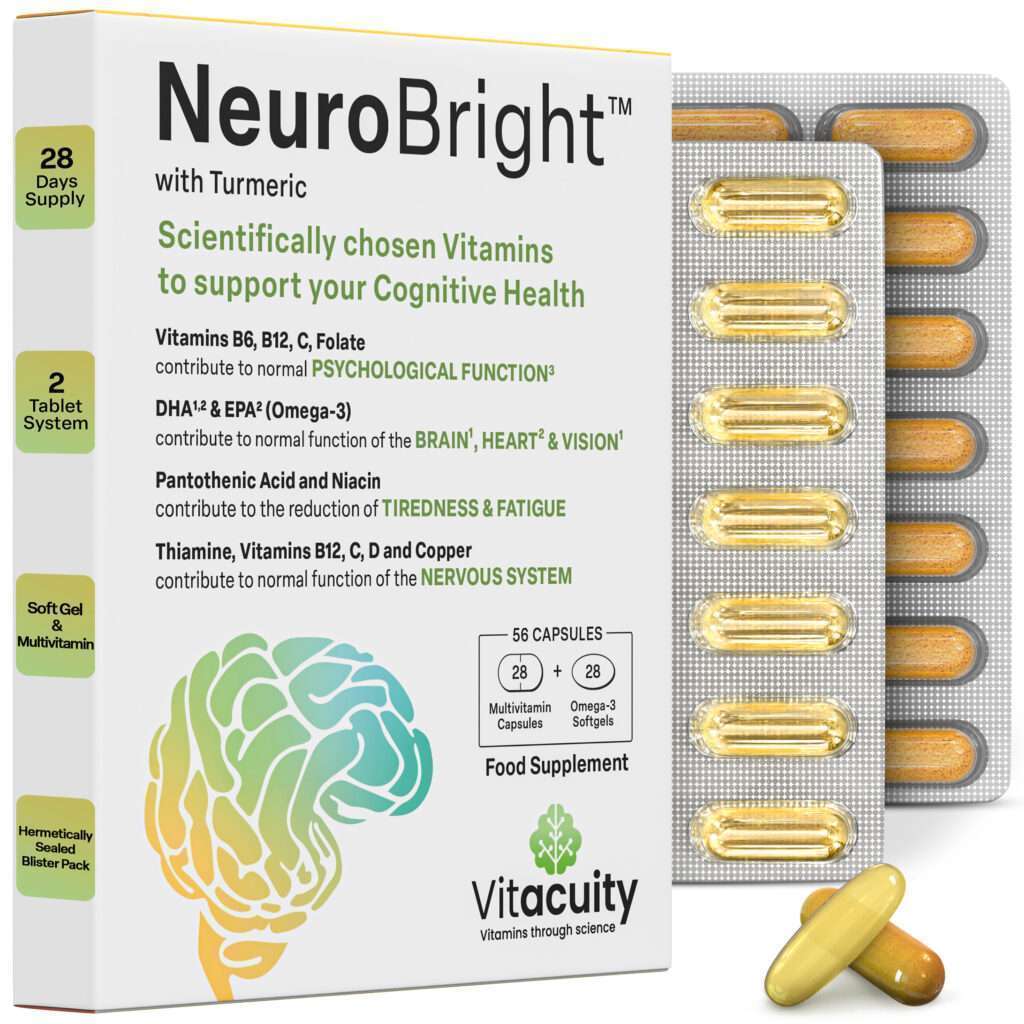
Free guide: The research behind brain health supplements
Plus our weekly research digest — straight to your inbox.
Just leave your email address.