Why Air Pollution Accelerates Cognitive Decline — And What You Can Do About It
Quick Read Tiny air pollution particles (PM2.5) from traffic and burning fuel are small enough to enter your bloodstream and
We write a new article on supplements every day , all detailed, with citations.
Once a week we send an email containing a list of the last 7 days articles. Please sign up and also feel free to share the articles with friends and family who you think might benefit.
Simon Parrott – Vitacuity Ltd
Molybdenum is a trace mineral that acts as a critical helper for enzymes involved in breaking down harmful substances your body needs to eliminate. It works by helping enzymes convert sulphites from food and drinks, purines from red meat and beer, and certain drugs into forms your kidneys can safely excrete. Most people eating a varied diet with legumes, wholegrains, and leafy vegetables get enough molybdenum, and severe deficiency is rare.
Your body’s detoxification system depends on multiple minerals working together. Toxic metals damage this system by displacing essential minerals like zinc and molybdenum from their positions in protective enzymes. Research on zinc supplementation shows promising evidence that it can help protect against toxic metal accumulation, with therapeutic doses of 15 to 30mg daily recommended during deficiency or exposure. Curcumin from turmeric and herbal extracts show interesting mechanisms in animal studies, but human trial evidence remains limited.
The most practical approach is eating a genuinely varied plant-rich diet rich in legumes and wholegrains, considering a modest zinc supplement if you don’t regularly eat meat or shellfish, and minimising exposure to toxic substances through common-sense measures like filtering water and reducing processed foods. There are significant gaps in research, particularly a lack of human trials directly testing whether molybdenum supplementation improves detoxification in people who aren’t deficient.
Verdict: Molybdenum is essential for detoxification but food sources suffice for most people, so focus instead on eating varied plant foods and ensuring adequate zinc intake, which has stronger evidence for protecting your body’s detoxification systems.
There’s a good chance you’ve never given molybdenum a second thought. It doesn’t have the glamour of magnesium or the marketing budget of vitamin C. But here’s a question worth sitting with: what if one of the most important mineral systems in your body, the one quietly converting harmful compounds into something your kidneys can flush away, has been hiding in plain sight all along?
Detoxification is one of the most misused words in wellness. Mention it and most people picture juice cleanses, activated charcoal drinks, or expensive infusions. But your body already runs a sophisticated, enzyme-driven detoxification system around the clock. Molybdenum sits at the heart of part of that system, acting as a critical cofactor, a kind of biological wrench, that certain detoxifying enzymes simply cannot work without. The real story of detoxification isn’t about what you drink for a week. It’s about what your cells are doing right now, and whether they have the raw materials to do it properly.
At Vitacuity, we’ve analysed over 1.7 million research papers and selected the most relevant findings on this topic. Here’s what the science actually tells us about molybdenum, detoxification, and the broader mineral ecosystem it belongs to.
To understand molybdenum, you need to understand what enzymes actually do. Think of enzymes as highly specialised molecular machines that transform one substance into another. Many of these machines need a small mineral “part” to function, without it, the machine stalls. That mineral part is called a cofactor, and molybdenum is the cofactor for a specific family of enzymes involved in breaking down sulphur-containing compounds, purines (found in foods like red meat and beer), and certain drug metabolites.
The most well-known of these is xanthine oxidase, which converts purines into uric acid, a compound your kidneys then excrete. Another is sulphite oxidase, which converts sulphites (a preservative found in wine, dried fruit, and many processed foods) into sulphate, a far less harmful compound that the body can safely eliminate.
This is molybdenum’s core job: it doesn’t neutralise toxins by itself, but it enables the enzymes that do. Without adequate molybdenum, these enzymatic processes slow or stall, and sulphites, in particular, can accumulate to harmful levels. True molybdenum deficiency is rare in people eating a varied diet, but the question of whether low-normal intake is sufficient to keep these systems running optimally is less settled than most people realise.
Molybdenum is part of a much broader picture of how the body handles toxic metals and compounds. Research increasingly shows that the body’s detoxification capacity depends on an interconnected system of minerals, enzymes, and antioxidant pathways, and that supporting this system is more nuanced than simply adding one supplement [3][5].
One reason molybdenum and trace mineral research has gained momentum is the growing understanding of how toxic metals, lead, cadmium, mercury, and others, interfere with the body’s own detoxification machinery.
Toxic metals cause harm through two main mechanisms: they generate oxidative stress (essentially, a kind of molecular rust that damages cells), and they compete with or displace essential minerals from their normal binding sites in enzymes [5]. When a toxic metal knocks zinc, copper, or molybdenum out of its position in an enzyme, that enzyme can no longer function properly. The body’s natural defences begin to fail, not dramatically or immediately, but gradually, over years of exposure.
Research published in the *International Journal of Molecular Sciences* in 2025 reviewed the evidence on how zinc competes with toxic heavy metals at these binding sites, and found that zinc supplementation can help protect against metal toxicity by essentially out-competing harmful metals for the same positions [5]. The review noted that zinc also activates metallothioneins, proteins that effectively “cage” toxic metals and prevent them from causing damage. The recommended therapeutic zinc dose during deficiency or toxic metal exposure is 15–30mg daily, according to the same review [5].
The evidence grade here is promising to early stage, much of the mechanistic understanding comes from in vitro (cell) and in vivo (animal) studies, with some clinical data on zinc specifically. The broader picture of how trace minerals like molybdenum interact with this system in humans needs more direct research.
When the body cannot clear toxic metals on its own, medicine has developed a set of tools called chelating agents, compounds that bind to metals and help the body excrete them. Understanding this research is illuminating, even for people who will never need clinical chelation, because it reveals just how tightly the body’s mineral systems are interconnected.
A 2025 study published in *Metallomics* examined the dose-dependent effects of EDTA (a chelating agent) infused into ten volunteers aged 50 and over [2]. The findings were striking. At a low dose of 0.5g, urinary lead excretion increased by a remarkable 2,200%. Gadolinium, a contrast agent used in MRI scans that can accumulate in the body, was excreted at 78,000% above baseline even at this low dose. Cadmium, which binds more tightly to tissue, required the higher 3g dose for meaningful clearance [2].
What’s particularly relevant to everyday mineral health is what happened to essential minerals during chelation. At higher EDTA doses, manganese and zinc loss in urine increased significantly, meaning chelation therapy, while effective at removing toxic metals, risks depleting the very minerals your detox enzymes depend on. The study concluded that low-dose EDTA (0.5g) offered meaningful toxic metal clearance while minimising essential mineral depletion [2].
The evidence grade for EDTA chelation is promising, this was a small study of just ten volunteers, though it aligns with findings from larger trials (TACT and TACT2) referenced in the paper. This is clinical medicine, not everyday supplementation, but it illustrates a crucial principle: you cannot chase out toxic metals without paying attention to essential minerals at the same time.
The body’s detoxification system is not a single pathway. It’s more like a network of overlapping defences, and minerals are just one part of the picture. Antioxidant compounds play a parallel and equally important role, neutralising the oxidative stress that toxic exposures generate.
A 2025 review in *Phytotherapy Research* examined curcumin (the active compound in turmeric) as a potential detoxification agent [1]. The review found compelling animal-based evidence that curcumin supports detoxification across multiple organs, particularly the liver and kidneys, by enhancing antioxidant enzyme levels, reducing inflammatory markers, and supporting protective signalling pathways against heavy metals, alcohol metabolites, mycotoxins, and other common toxicants [1].
It’s important to be transparent here: the evidence grade for curcumin as a detoxification agent in *humans* is early stage. The review is comprehensive, but it is primarily a synthesis of animal studies. Curcumin’s notorious bioavailability problem, it is poorly absorbed from standard supplements, means human studies have been more difficult to conduct and interpret. That said, the mechanistic logic is coherent, and the safety profile is well established. The research is pointing in an interesting direction.
Separately, a 2025 laboratory study found that an extract of *Cissus quadrangularis* (a plant used in traditional medicine) reduced intracellular toxic metal accumulation in yeast cells by approximately 70–90%, and restored antioxidant enzyme activity through multiple pathways [4]. This is fascinating early science, but it’s worth being clear: this is a yeast model, not a human trial. The evidence grade is early stage.
One of the most clinically relevant places molybdenum chemistry appears in the research is in the treatment of copper overload, a condition that damages the nervous system when copper accumulates in the brain and liver.
A 2022 review in *Toxics* examined chelation strategies for managing excess copper and other metals in the central nervous system [6]. The authors discussed tetrathiomolybdate, a molybdenum-based compound, as a particularly promising agent for removing excess copper from the brain when used in combination with DMSA (a standard chelating agent). The combination strategy aims to first mobilise metal from brain tissue, then capture it in the bloodstream for urinary excretion [6].
This research is highly specialised, tetrathiomolybdate is not a standard supplement, and this research applies to conditions of clinical copper toxicity, not everyday copper intake. But it illustrates something important: molybdenum chemistry is so central to the handling of other metals in the body that pharmaceutical researchers have built drugs around it. The mineral is not a bystander in detoxification, it’s a core player.
The evidence grade here is promising, based on early clinical experience and mechanistic research, with the review authors calling for further trials to confirm the combination chelation approach [6].
Zinc and molybdenum are related in an important and sometimes overlooked way: high molybdenum intake can actually compete with copper absorption, which in turn affects zinc–copper balance in the body. This is why trace mineral balance matters more than any single mineral in isolation.
The 2025 review on zinc’s protective role against heavy metals highlighted that zinc transporters, proteins called ZIPs and ZnTs, are critical regulators of how the body distributes zinc to where it’s needed, including to antioxidant enzymes [5]. When toxic metal exposure dysregulates these transporters, the body loses fine control over its own mineral distribution system. Zinc supplementation at 11mg daily for healthy men and 8–12mg for women, rising to 15–30mg during deficiency or toxic exposure, was recommended in the review as a practical therapeutic strategy [5].
The broader message is this: your body’s detoxification system is a team effort. Molybdenum enables sulphur metabolism. Zinc competes with toxic metals and activates protective proteins. Antioxidant compounds mop up oxidative damage. Each supports the others, and weakness in one area affects the whole network [3][5].
It would be dishonest to write about molybdenum and detoxification without acknowledging the significant gaps in what we currently know.
First, direct human trials on molybdenum supplementation and detoxification are essentially absent from the current literature. The mechanistic role of molybdenum as an enzyme cofactor is well established in biochemistry, but whether supplementing molybdenum in people who are not clinically deficient meaningfully improves detoxification outcomes has not been tested in rigorous randomised controlled trials. This is a meaningful gap.
Second, most of the detoxification research we have is on extreme exposures, clinical heavy metal poisoning, therapeutic chelation, or high-dose toxicant studies in animals. Extrapolating these findings to everyday, background-level toxic exposures that most people experience (air pollution, low-level food contaminants, etc.) requires caution. The mechanisms are plausible, but the clinical relevance at lower exposure levels is not proven [1][2].
Third, the antioxidant detoxification research is heavily animal-based. The curcumin review, for example, draws on a wide range of animal studies but acknowledges the limited human trial data [1]. The *Cissus quadrangularis* research is conducted in yeast cells, a long way from a human clinical trial [4].
Fourth, the mineral interaction picture is complex. High intakes of one trace mineral can interfere with the absorption or function of another. Molybdenum, copper, zinc, and manganese all interact in ways that are not fully mapped in human populations eating varied diets. This makes it difficult to give confident, precise supplementation advice beyond well-established safe ranges [3][5][6].
Finally, true molybdenum deficiency is uncommon in people eating varied diets. Most food-based sources (legumes, wholegrains, leafy vegetables) provide adequate amounts. The question of whether certain populations, those with poor dietary variety, or those with particularly high toxic metal exposure, might benefit from specific supplementation is not yet answered by the current evidence base.
Let’s think about what a sensible, well-informed person should actually do with all of this.
Molybdenum is not a flashy supplement with dramatic trial results to point to. What the research tells us is more fundamental: your body runs a sophisticated, mineral-dependent detoxification system, and the best thing you can do is make sure that system has everything it needs to function. Here’s what that looks like in practice.
Eat a varied, plant-rich diet. Legumes, wholegrains, and dark leafy vegetables are the richest food sources of molybdenum. If you’re eating a reasonable variety of these regularly, your molybdenum intake is likely adequate. This is the single most important step.
Take zinc seriously. The evidence that zinc helps protect the body’s detoxification machinery against toxic metal competition is genuinely promising [3][5]. Zinc at standard supplement doses (typically 10–15mg daily, well below the therapeutic range) is safe, water-soluble excess is handled well by the body, and mild insufficiency is surprisingly common, particularly in older adults. If you’re not regularly eating red meat, shellfish (especially oysters), seeds, and legumes, a modest zinc supplement makes practical sense.
Consider a good-quality B-complex and antioxidant support. While the curcumin detoxification evidence is still mostly animal-based [1], turmeric is safe, inexpensive, and widely available. If you enjoy it in food, keep using it. A bioavailability-enhanced curcumin supplement is a reasonable addition if you’re looking to go further, just go in with realistic expectations about where the evidence currently sits.
Don’t be alarmed by the chelation research, but do take toxic metal exposure seriously. Most people will never need clinical chelation therapy [2][6]. But the research on how EDTA removes lead and other metals from the body, and how this simultaneously depletes essential minerals, is a useful reminder that your body’s mineral balance is under constant pressure from environmental exposures. Minimising exposure (filtering drinking water, choosing lower-mercury fish, reducing processed food consumption) is genuinely worthwhile.
If you’re concerned about specific toxic metal exposure, particularly if you live near industrial sites, work in certain trades, or have old plumbing, a conversation with your GP about testing is appropriate. Testing for lead and cadmium is available on the NHS in relevant clinical circumstances.
For the vast majority of people, supporting your body’s natural detoxification system doesn’t require anything exotic. A genuinely varied diet, adequate zinc, and sensible reduction of unnecessary toxic exposures will serve you well. Molybdenum will do its quiet, essential job, as it has been doing all along.
[1] Curcumin: A Potential Detoxifier Against Chemical and Natural Toxicants (2025). *Phytotherapy Research.* DOI: 10.1002/ptr.8442 | https://pubmed.ncbi.nlm.nih.gov/39853860/
[2] Pharmacokinetics of metal excretion following different doses of sodium EDTA infusion (2025). *Metallomics.* DOI: 10.1093/mtomcs/mfaf010 | https://pubmed.ncbi.nlm.nih.gov/40258339/ | https://www.ncbi.nlm.nih.gov/pmc/articles/PMC12050972/
[3] Zinc as a Mechanism-Based Strategy for Mitigation of Metals Toxicity (2025). https://pubmed.ncbi.nlm.nih.gov/39827326/
[4] Aqueous extract of Cissus quadrangularis L. alleviates heavy metal toxicity in Saccharomyces cerevisiae by limiting metal uptake and enhancing detoxification mechanisms (2025). *Ecotoxicology and Environmental Safety.* DOI: 10.1016/j.ecoenv.2025.118408 | https://pubmed.ncbi.nlm.nih.gov/40413926/
[5] Zinc-Mediated Defenses Against Toxic Heavy Metals and Metalloids: Mechanisms, Immunomodulation, and Therapeutic Relevance (2025). *International Journal of Molecular Sciences.* DOI: 10.3390/ijms26199797 | https://pubmed.ncbi.nlm.nih.gov/41097062/ | https://www.ncbi.nlm.nih.gov/pmc/articles/PMC12524768/
[6] Chelation Combination, A Strategy to Mitigate the Neurotoxicity of Manganese, Iron, and Copper? (2022). *Toxics.* https://pubmed.ncbi.nlm.nih.gov/36421727/
This article is for informational purposes only and does not constitute medical advice. Food supplements should not be used as a substitute for a varied and balanced diet and healthy lifestyle. If you are pregnant, breastfeeding, taking medication or have a medical condition, consult your doctor before taking any supplement. These statements have not been evaluated by the Food and Drug Administration (FDA) or the Medicines and Healthcare products Regulatory Agency (MHRA). This product is not intended to diagnose, treat, cure, or prevent any disease.
Quick Read Tiny air pollution particles (PM2.5) from traffic and burning fuel are small enough to enter your bloodstream and
Quick Read Saffron contains compounds called crocin and crocetin that appear to protect memory and slow cognitive decline through multiple
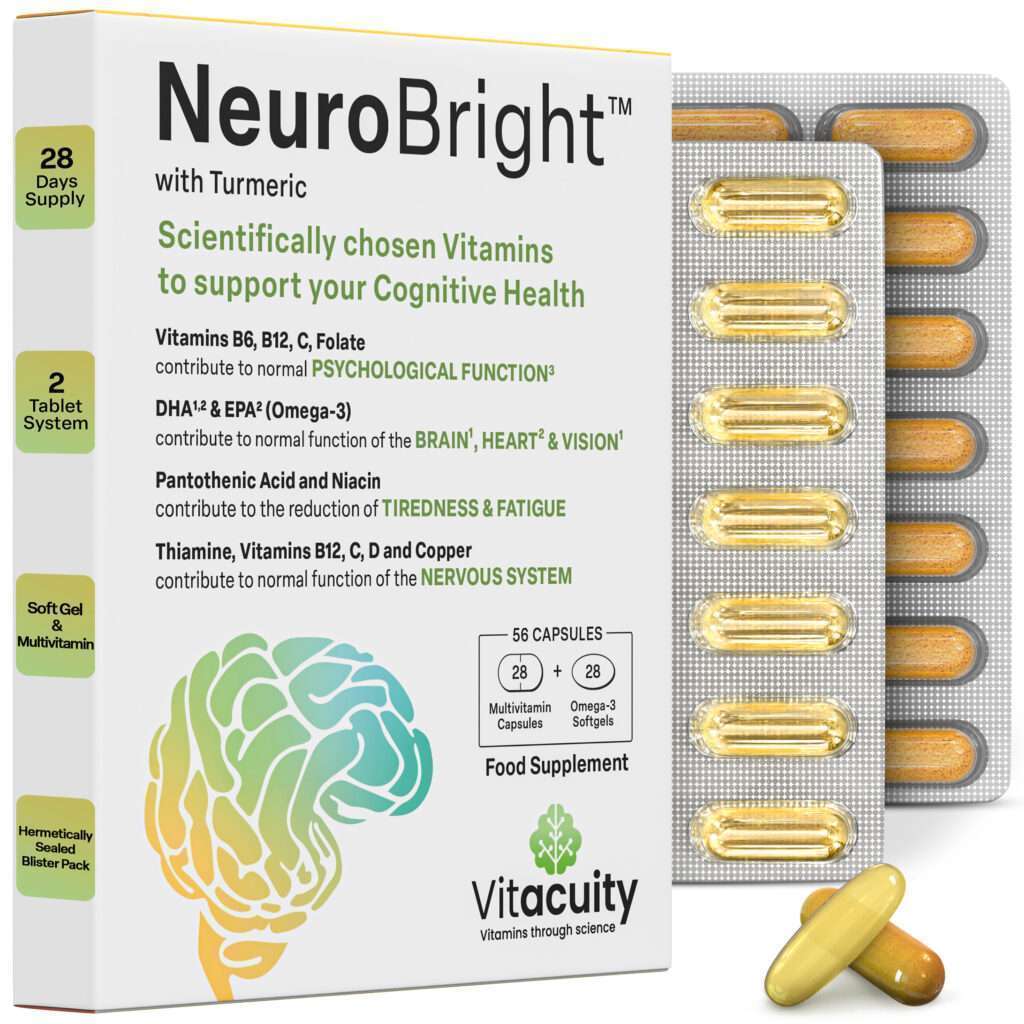
Free guide: The research behind brain health supplements
Plus our weekly research digest — straight to your inbox.
Just leave your email address.