Curcumin And Depression — The Inflammation Connection
Quick Read Depression may involve chronic, low-grade inflammation in the brain, not just a chemical imbalance. Curcumin, the active compound
We write a new article on supplements every day , all detailed, with citations.
Once a week we send an email containing a list of the last 7 days articles. Please sign up and also feel free to share the articles with friends and family who you think might benefit.
Simon Parrott – Vitacuity Ltd
Magnesium matters for brain health and memory, but most standard magnesium supplements like oxide or sulphate never reach your brain tissue effectively. The form you choose is crucial. Magnesium-L-threonate, a specialized form, was designed to cross into the brain and has shown strong results in animal studies and one small human trial, improving learning and memory by helping neurons communicate better. Regular forms of magnesium from citrate to glycinate also show promise for different brain benefits in animal studies, though human evidence remains limited.
Real-world data from large population studies supports this: older adults with low magnesium intake showed worse memory, processing speed, and smaller brain volumes. Many people don’t get enough magnesium through diet, and certain medications and habits like alcohol use make depletion worse. The good news is that magnesium supplementation at normal doses is very safe with virtually no risk of harm.
If brain health and memory are your goals, magnesium-L-threonate has the most direct scientific support, though it’s more expensive. More affordable options like magnesium citrate show promise for memory specifically based on animal research. Either way, supplementing sensibly, combined with sleep, exercise, and a magnesium-rich diet, appears protective for cognitive function.
Verdict: The form of magnesium matters significantly for brain health, magnesium-L-threonate has the strongest research support, and supplementation appears safe and potentially valuable for memory as we age.
You’ve probably heard that magnesium is good for you. Maybe you’re already taking it, the standard tablet from the pharmacy, the kind that costs a few pounds and promises to support “normal muscle function.” And maybe you’ve wondered whether it’s actually doing anything for your brain. Here’s the thing: it might not be. Not because magnesium doesn’t matter for cognitive health, the evidence is increasingly compelling that it does, but because the form of magnesium you’re taking may simply never reach the one organ you’re trying to protect. What if the most important variable in the magnesium story isn’t *whether* you supplement, but *which* form you choose? And what if getting that wrong means you’re leaving the most significant potential benefits entirely on the table?
Magnesium is involved in over 300 biochemical reactions in the body, but its role in the brain is particularly striking [4]. Think of it as one of the brain’s key gatekeepers. It sits at the heart of how your neurons communicate with each other, specifically, it regulates NMDA receptors, which are the molecular switches that control learning and memory formation [2]. When magnesium is in short supply, those switches become less reliable.
Here’s the mechanism in plain English: NMDA receptors need to be opened at the right time and closed at the right time. Magnesium helps manage that process. When everything is working well, this allows your brain to strengthen the connections between neurons, a process called synaptic plasticity, which is essentially the biological mechanism of learning and remembering [7]. As we age, magnesium’s influence on these receptors naturally declines, and with it, some of the brain’s capacity for that flexible, plastic kind of thinking that keeps memory sharp [12].
Magnesium also plays a role in reducing neuroinflammation and oxidative stress, regulates the stress hormone system (specifically the HPA axis, which controls how your body responds to pressure), and influences the production of BDNF, brain-derived neurotrophic factor, sometimes called “fertiliser for the brain”, a protein that supports the growth and survival of neurons [4].
The problem is that most common forms of magnesium, oxide, sulphate, chloride, are poorly absorbed and cross the blood-brain barrier inefficiently. Your gut might absorb some, your muscles might benefit, but very little makes it into the brain tissue itself [9]. This is where the form question becomes critical.
Vitacuity analysed over 1.77 million research papers and identified 15 of the most relevant studies on this topic. Here’s what the evidence actually shows.
Evidence grade: Promising, some human data now available, but most of the mechanistic work is in animal models.
The story begins in 2010, when researchers at MIT published a landmark paper in the journal *Neuron* showing that a newly developed compound, magnesium-L-threonate (MgT), could raise magnesium levels inside brain tissue far more effectively than conventional magnesium salts [7]. This was genuinely novel. Previous magnesium compounds raised blood and urine magnesium levels without meaningfully increasing brain magnesium. MgT appeared to be different.
In that 2010 study, rats treated with MgT showed enhanced working memory, improved short- and long-term memory, and better learning ability [7]. The researchers found that MgT-treated animals had a higher density of synaptic connections in the hippocampus, the brain region most associated with memory, and that the number of functional presynaptic release sites increased. The mechanism was clear: more magnesium in the brain meant more robust synaptic signalling. For aged rats specifically, MgT also improved “pattern completion” ability, the capacity to recall a full memory from a partial cue, which is one of the cognitive skills that tends to decline first as we age [7].
By 2013, the same research group had shown that elevating brain magnesium via MgT could actually prevent and partially reverse cognitive deficits in a mouse model of Alzheimer’s disease [8]. The treated mice showed reduced amyloid-beta plaque, protection of synaptic density, and reversal of memory decline, even when treatment was started at a late stage of disease progression. That last point is significant: MgT wasn’t only useful as a preventative. The researchers tracked the molecular cascade and found that MgT protected a key signalling pathway (NMDAR/CREB/BDNF) that is typically damaged in Alzheimer’s, while also reducing the expression of BACE1, an enzyme implicated in the build-up of amyloid plaques [8].
A 2014 follow-up study confirmed these results in a different transgenic Alzheimer’s mouse model, again finding that MgT reduced amyloid plaque, prevented synapse loss, and reversed cognitive deficits [11].
Evidence grade: Promising, strong animal data, early human trial data.
A 2014 review in *Expert Opinion on Therapeutic Targets* synthesised the growing body of evidence around magnesium, NMDA receptors, and age-related memory loss [12]. The key insight is this: a specific subunit of the NMDA receptor, called NR2B, naturally declines in the brain as we age. NR2B is critical for synaptic plasticity, it makes the connections between neurons more flexible and responsive. Its loss is strongly associated with declining memory in older animals and humans.
MgT supplementation in preclinical studies was found to upregulate NR2B expression in the brain, essentially reversing one of the molecular signatures of brain ageing. The review noted that this effect appeared to be relatively unique to MgT among magnesium compounds, because it was the only form consistently shown to raise brain magnesium levels sufficiently to drive this molecular change [12]. At the time of publication, the authors noted that MgT was already entering clinical trials, which brings us to the human evidence.
Evidence grade: Promising, one randomised double-blind trial in humans, small sample, needs replication.
In 2022, researchers published a double-blind, randomised controlled trial in the journal *Nutrients* testing Magtein®, a branded form of magnesium-L-threonate, in adult humans [15]. This is the study the field had been waiting for.
The trial recruited adult participants and tested the effects of Magtein® supplementation on cognitive function, measuring outcomes including memory and processing speed. The results showed improvements in cognitive performance in the supplemented group compared to placebo [15]. This was the first rigorous human evidence that the mechanisms observed in animal studies might translate to people.
The honest caveat: this was a relatively small trial conducted primarily in East Asian adults, which limits how broadly we can apply the findings. Effect sizes were modest. And one trial, however well-designed, is never enough to draw firm conclusions. But it is a meaningful first step, it moves magnesium-L-threonate from the category of “exciting animal research” into “early but real human data” [15].
Evidence grade: Early stage, rat study only, human trials needed.
A 2025 study published in *Biological Trace Element Research* directly compared three organic magnesium forms, citrate, glycinate, and malate, in a group of 38 Sprague-Dawley rats over 8 weeks [1]. The findings are illuminating, and slightly unexpected.
Magnesium malate was the form that most significantly increased overall brain magnesium levels and improved neuromuscular performance. Magnesium citrate selectively raised hippocampal BDNF levels, that crucial brain growth factor, and improved spatial learning and memory in maze tasks. Magnesium glycinate showed the most notable anxiolytic effect, reducing anxiety-related behaviours [1].
What this tells us is that the form question isn’t just about bioavailability in the general sense. Different forms appear to have genuinely different tissue-specific effects. Citrate seems to favour hippocampal BDNF, which is relevant for memory specifically. Glycinate may be more relevant for stress and sleep. Malate appears to drive broader brain and muscle magnesium elevation [1].
This is early-stage animal research, we cannot yet say with confidence these distinctions hold in humans. But the direction of travel is important for anyone thinking carefully about which form to choose [1].
Evidence grade: Promising, large epidemiological studies, though observational by nature.
Moving from controlled studies to real-world population data, the picture becomes more concerning. A 2025 analysis of 768 older Americans drawn from the National Health and Nutrition Examination Survey (NHANES 2011-2014) found that a higher “magnesium depletion score”, a composite measure of factors that drain magnesium from the body, including medications, alcohol use, and chronic disease, was independently associated with significantly lower cognitive scores [5].
The numbers are specific: participants with high magnesium depletion scored an average of 4.91 points lower on the Digit Symbol Substitution Test (a measure of processing speed and executive function) compared to those with low depletion (β = -4.91, 95% CI: -7.73 to -2.08, p = 0.0007) [5]. That is not a trivial difference. They also scored 2.09 points lower on the Animal Fluency Test (p = 0.0004), which measures verbal fluency and executive function [5].
Critically, participants who met the recommended dietary allowance for magnesium showed meaningfully attenuated cognitive risks, suggesting that simply achieving adequate dietary magnesium intake is protective [5]. The associations were strongest in obese individuals and current smokers, both of whom tend to have higher rates of magnesium depletion [5].
A separate 2025 study of Puerto Rican adults from the Boston Puerto Rican Health Study, with over 10 years of follow-up, 218 participants with MRI data and over 1,000 with cognitive testing, found that adequate magnesium intake was associated with greater volumes of total grey matter and white matter [3]. For context, grey matter houses your neurons; white matter is the connective tissue that allows different brain regions to communicate. Both decline with age. The association between magnesium adequacy and preserved brain volume was particularly pronounced in people with diabetes, a group at heightened risk of neurodegeneration [3].
These are observational studies, which means we cannot say magnesium *causes* better brain health, only that there is a strong, consistent association. But the association is there, it’s consistent across multiple populations, and it has a plausible biological mechanism to support it [2] [4].
Evidence grade: Early stage, rat studies only.
One of the more surprising findings in this area involves how magnesium influences not just memory storage, but emotional memory and fear learning. A 2011 study found that MgT treatment in rats enhanced the extinction of fear memory, essentially, the ability to “unlearn” a fear response, without erasing or damaging the original fear memory itself [13]. The mechanism appeared to be region-specific: MgT enhanced synaptic plasticity in the prefrontal cortex but not in the amygdala, which explains why it could improve extinction (a prefrontal-dependent process) without disrupting fear encoding [13].
A 2013 study extended this, finding that MgT-treated rats showed improved spatial-context pattern separation, the ability to distinguish between similar environments, and reduced fear overgeneralisation (the tendency to respond fearfully to situations that merely resemble a past threat, rather than being the actual threat) [10].
These are animal findings, and translating them to human emotional memory requires caution. But they hint at a broader potential for brain magnesium to influence not just episodic memory but the quality and flexibility of how we process past experiences [10] [13].
The honest answer is: quite a lot. Here are the most significant gaps in the current evidence.
The human trial evidence for MgT is thin. There is currently one randomised controlled trial in humans [15]. It showed promising results, but it was small, conducted in a specific population, and needs replication in larger, more diverse groups. Almost all of the mechanistic evidence for MgT comes from animal studies. Rats are not people, and several promising compounds that worked beautifully in rodents have failed to translate to human trials. We should be genuinely excited about MgT without overstating what we know.
We don’t have head-to-head human comparisons of different magnesium forms. The 2025 rat study comparing citrate, glycinate, and malate [1] is fascinating but entirely preclinical. We don’t yet have a randomised trial in humans that directly compares cognitive outcomes across different magnesium formulations. The MgT studies used a proprietary compound. The form question, for humans, remains genuinely open.
We don’t know the optimal dose or duration. Most animal studies used specific, weight-adjusted doses. The human trial of Magtein® [15] used a specific protocol, but optimal dosing for different ages and health states in humans hasn’t been established.
The Alzheimer’s findings are preclinical. The reduction in amyloid plaque and restoration of synaptic density seen in mouse models [8] [11] is scientifically compelling. But we are very far from being able to say that MgT treats or prevents Alzheimer’s disease in humans. These findings justify further clinical research; they don’t justify strong therapeutic claims.
The vascular findings are puzzling. Interestingly, the 2025 rat study found that despite increased aortic magnesium levels, vascular relaxation was actually diminished in the citrate and malate groups [1]. This is unexpected, magnesium is generally considered beneficial for vascular health. It suggests the relationship between tissue-specific magnesium accumulation and vascular function is more complex than assumed, and is a finding that needs careful attention in future human studies.
So what would a sensible, well-informed person actually do with all of this?
First, accept that magnesium status matters for brain health. The epidemiological evidence is consistent and biologically plausible, chronically low magnesium is associated with poorer cognitive function and smaller brain volumes [3] [5]. Many people over 40 are not getting enough. The UK’s National Diet and Nutrition Survey consistently shows inadequate magnesium intake across the population, and it’s compounded by factors like alcohol use, stress, certain medications (including common acid-reducing drugs), and poor diet, all of which deplete magnesium further [5].
Second, think seriously about form. If you are taking magnesium primarily for brain health and memory, the research, while still largely preclinical, most directly supports magnesium-L-threonate as the form most likely to raise brain magnesium levels meaningfully [7] [12] [15]. The 2022 human trial showed real cognitive benefits [15], and the animal mechanistic evidence is extensive and consistent [7] [8] [11]. Magnesium-L-threonate tends to be more expensive than standard magnesium forms, but if brain health is your primary goal, the case for choosing it over oxide or sulphate is reasonable.
If you’re looking for a more affordable starting point, magnesium citrate shows the strongest evidence among common organic forms for hippocampal BDNF elevation and spatial memory in animal studies [1], and is far better absorbed than magnesium oxide. Glycinate is a good choice if your priorities include sleep quality and anxiety alongside cognition [1].
Third, magnesium is a water-soluble mineral and the body is efficient at excreting excess, toxicity from supplementation at normal doses is very rare. There is no meaningful risk of harm from supplementing magnesium at recommended doses (typically 300-400mg elemental magnesium per day). The risk of chronic low magnesium, to your brain, your heart, your sleep, your stress response, is considerably greater than the risk of sensible supplementation. You do not need to test your magnesium levels before starting to supplement. Most testing is either blood serum (which doesn’t reflect tissue levels well) or expensive, impractical alternatives. The safe, rational default for most people over 40 is to supplement.
Finally, pair it with the basics. No supplement replaces the foundations: sleep, exercise, and diet rich in magnesium-containing foods (dark leafy greens, nuts, seeds, whole grains) all support the same biological systems. But for your brain specifically, the form of magnesium you choose may matter more than many people realise.
[1] Chronic Organic Magnesium Supplementation Enhances Tissue-Specific Bioavailability and Functional Capacity in Rats: A Focus on Brain, Muscle, and Vascular Health (2025). DOI: 10.1007/s12011-025-04678-y | https://pubmed.ncbi.nlm.nih.gov/40467961/
[2] Magnesium (Mg²⁺), bioavailability, cognitive function, and neuroprotection (2024). DOI: 10.2174/0113816128321466240816075041 | https://pubmed.ncbi.nlm.nih.gov/39253923/
[3] Associations of serum magnesium and magnesium intake with brain morphology and cognitive function in Puerto Rican adults (2025). DOI: 10.1093/gerona/glaf241 | https://pubmed.ncbi.nlm.nih.gov/41191668/ | https://www.ncbi.nlm.nih.gov/pmc/articles/PMC12649756/
[4] The Role of Magnesium in Depression, Migraine, Alzheimer’s Disease, and Cognitive Health: A Comprehensive Review (2025). DOI: 10.3390/nu17132216 | https://pubmed.ncbi.nlm.nih.gov/40647320/ | https://www.ncbi.nlm.nih.gov/pmc/articles/PMC12252419/
[5] Association of magnesium depletion score with cognitive function in older adults: An analysis of NHANES 2011 to 2014 (2025). DOI: 10.1097/MD.0000000000045231 | https://pubmed.ncbi.nlm.nih.gov/41189251/ | https://www.ncbi.nlm.nih.gov/pmc/articles/PMC12537121/
[6] Magnesium boosts the memory restorative effect of environmental enrichment in Alzheimer’s disease mice (2018). DOI: 10.1111/cns.12775 | https://pubmed.ncbi.nlm.nih.gov/29125684/
[7] Enhancement of learning and memory by elevating brain magnesium (2010). https://pubmed.ncbi.nlm.nih.gov/20152124/
[8] Elevation of brain magnesium prevents and reverses cognitive deficits and synaptic loss in Alzheimer’s disease mouse model (2013). https://pubmed.ncbi.nlm.nih.gov/23658180/
[9] Neurobehavioral and biochemical effects of magnesium chloride (MgCl₂), magnesium sulphate (MgSO₄) and magnesium-L-threonate (MgT) supplementation in rats: A dose dependent comparative study (2019). https://pubmed.ncbi.nlm.nih.gov/30829204/
[10] Magnesium supplement enhances spatial-context pattern separation and prevents fear overgeneralization (2013). https://pubmed.ncbi.nlm.nih.gov/23764903/
[11] Elevation of brain magnesium prevents synaptic loss and reverses cognitive deficits in Alzheimer’s disease mouse model (2014). DOI: 10.1186/s13041-014-0065-y | https://pubmed.ncbi.nlm.nih.gov/25213836/ | https://www.ncbi.nlm.nih.gov/pmc/articles/PMC4172865/
[12] Targeting the NMDA receptor subunit NR2B for treating or preventing age-related memory decline (2014). DOI: 10.1517/14728222.2014.941286 | https://pubmed.ncbi.nlm.nih.gov/25152202/
[13] Effects of elevation of brain magnesium on fear conditioning, fear extinction, and synaptic plasticity in the infralimbic prefrontal cortex and lateral amygdala (2011). https://pubmed.ncbi.nlm.nih.gov/22016520/
[15] A Magtein® (magnesium L-threonate) randomised double-blind trial on cognitive function in adults (2022). DOI: 10.3390/nu14245235 | https://pubmed.ncbi.nlm.nih.gov/36558392/ | https://www.ncbi.nlm.nih.gov/pmc/articles/PMC9786204/
This article is for informational purposes only and does not constitute medical advice. Food supplements should not be used as a substitute for a varied and balanced diet and healthy lifestyle. If you are pregnant, breastfeeding, taking medication or have a medical condition, consult your doctor before taking any supplement. These statements have not been evaluated by the Food and Drug Administration (FDA) or the Medicines and Healthcare products Regulatory Agency (MHRA). This product is not intended to diagnose, treat, cure, or prevent any disease.
Quick Read Depression may involve chronic, low-grade inflammation in the brain, not just a chemical imbalance. Curcumin, the active compound
Quick Read Cold exposure, particularly ice baths, activates a biological stress response called hormesis, where controlled stress triggers the body
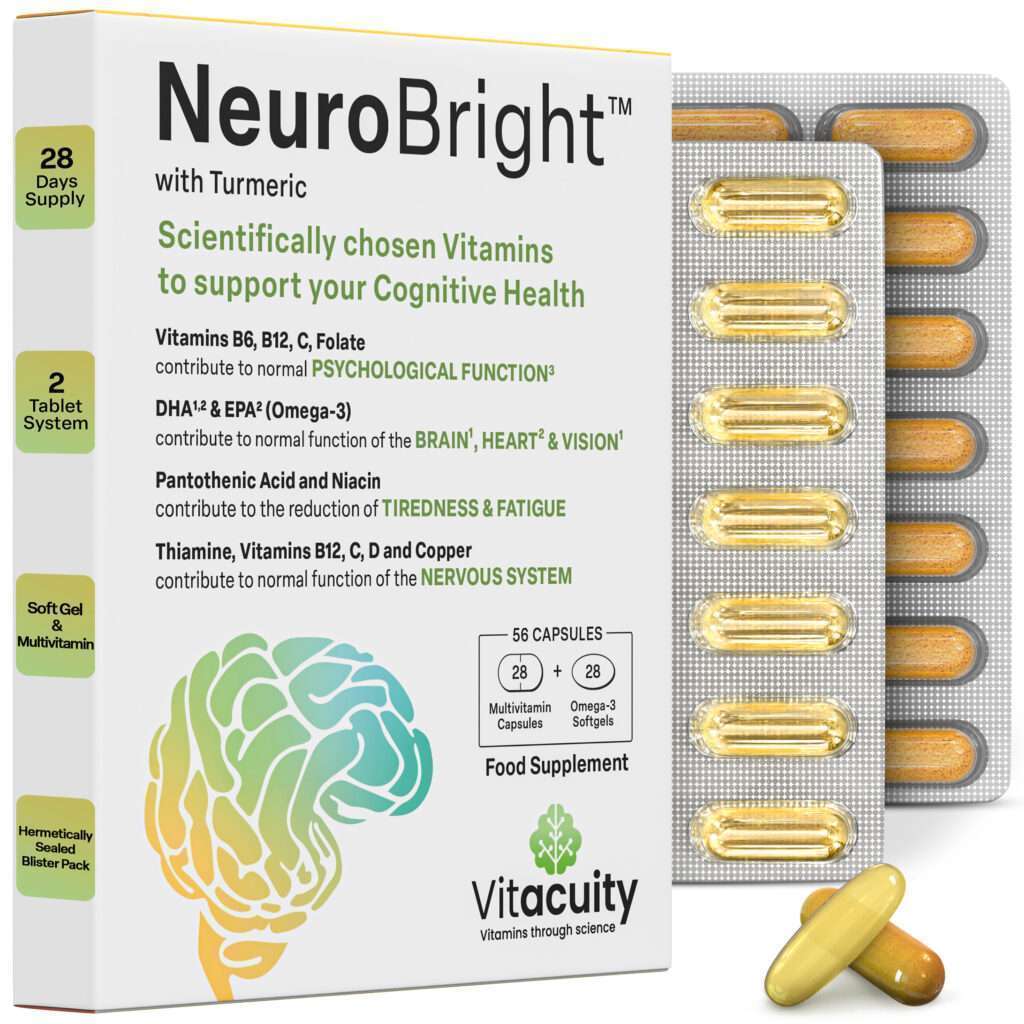
Free guide: The research behind brain health supplements
Plus our weekly research digest — straight to your inbox.
Just leave your email address.