Cold Exposure And Brain Health — What Ice Baths Actually Do To Your Neurons
Quick Read Cold exposure, particularly ice baths, activates a biological stress response called hormesis, where controlled stress triggers the body
We write a new article on supplements every day , all detailed, with citations.
Once a week we send an email containing a list of the last 7 days articles. Please sign up and also feel free to share the articles with friends and family who you think might benefit.
Simon Parrott – Vitacuity Ltd
Ginkgo biloba is an ancient tree whose leaves have been studied extensively since the 1960s. The most researched form, called EGb 761 extract, contains compounds that work in multiple ways: antioxidants that neutralise cell-damaging free radicals, unique terpenes that improve blood flow to the brain, and molecules that protect nerve cells from damage and overstimulation.
Research shows consistent benefits for people already experiencing memory loss or cognitive decline, with about 65% of patients showing improvement. For healthy adults in midlife noticing normal age-related mental slowdown, studies found improvements in attention, planning ability, and long-term memory. Effects typically take 4 to 6 weeks to appear. The supplement is generally safe at standard doses of 120 to 240 mg daily, though it can increase bleeding risk if you take blood-thinning medications like warfarin or aspirin.
Key gaps remain: we don’t know the optimal dose, whether it prevents dementia in healthy people, or how safe it is over many years of continuous use. Choosing a standardised EGb 761 product matters more than generic ginkgo supplements.
Verdict: For people not on blood-thinning medication and experiencing age-related mental decline, ginkgo biloba at standard doses is an evidence-supported option worth trying for at least 8 to 12 weeks.
Imagine a tree that watched the dinosaurs come and go. That survived ice ages, mass extinctions, and the slow churn of geological time, emerging on the other side almost completely unchanged. Now imagine that same tree’s leaves sitting in a capsule on your kitchen counter, with decades of clinical research asking whether they might help protect the most complex organ in the known universe. That’s the strange, remarkable story of *Ginkgo biloba*, and it’s one worth telling properly. Not with hype. Not with dismissal. But with the full weight of what science has actually learned across more than half a century of investigation.
Here’s what that journey has taught us.
The story of ginkgo as a medicine doesn’t begin in a laboratory. It begins in ancient China, where the seeds and leaves of the tree were used in traditional practice for thousands of years, some estimates put it at around 5,000 years of documented use [5]. But the Western scientific world didn’t start paying serious attention until the 1960s, when it became technically feasible to isolate the active compounds from the leaves and study them rigorously [3].
What emerged from those early efforts was a standardised extract, designated EGb 761, that would become the subject of hundreds of clinical trials over the following decades [1]. A similar preparation, LI 1370, also entered the research literature. By the 1990s, ginkgo had become one of the most studied herbal supplements in the world, particularly in Germany and France, where it was classified not as a dietary supplement but as a prescription medicine for cognitive decline and circulatory disorders [2].
The researchers of the 1990s were asking a specific question: could this ancient tree’s leaves genuinely slow the cognitive erosion that so many people experience as they age? What followed was one of the richest, and most instructive, journeys in the history of nutritional science.
Vitacuity has analysed over 1.77 million research papers across the supplement and nutrition landscape. We selected the most relevant and rigorous studies on ginkgo biloba for this piece. Here is an honest account of what they show.
Before looking at what the research found, it helps to understand *what* ginkgo actually is at a chemical level, because it’s more complex than most supplements.
EGb 761 is composed of two primary active fractions [6]:
– Flavonoid glycosides (24% of the extract): These are potent antioxidants, molecules that neutralise free radicals. Free radicals are unstable molecules that damage cells, including brain cells, through a process called oxidative stress. Think of them as sparks that cause slow-burning damage to your cellular machinery over decades [3][4].
– Terpene lactones (6% of the extract): This is where ginkgo gets genuinely unique. The terpenes, specifically the ginkgolides and bilobalide, are found nowhere else in nature [6]. Ginkgolide B, in particular, is a potent inhibitor of something called platelet-activating factor (PAF) [4]. PAF plays a role in inflammation, blood clotting, and, critically, the kind of vascular events that restrict blood flow to the brain. By blocking PAF, ginkgolides may help keep blood moving freely through the small vessels that feed your neurons.
Researchers have proposed four main mechanisms through which EGb 761 might support brain health [1]:
1. Vasoregulatory action, improving blood flow to the brain and periphery 2. Cognition-enhancing action, directly influencing neurotransmitter systems 3. Stress-alleviating action, modulating the body’s stress response 4. Gene-regulatory action, influencing which genes are switched on or off in ageing cells
The bilobalide component has also shown a specific ability to protect neurons against glutamate-induced excitotoxicity, a process where neurons are essentially overstimulated to the point of death, which is implicated in both stroke damage and neurodegenerative disease [5].
What makes EGb 761 unusual, as one 2002 overview noted, is that it doesn’t simply activate or inhibit a single pathway. It appears to act in a *regulatory* way, helping the body adapt to whatever conditions it finds itself in [6]. That’s a harder thing to study than a single drug hitting a single target, which partly explains why the research picture is nuanced rather than clean.
Evidence grade: Promising to Conflicted (multiple RCTs, but varied populations, doses and assessment methods)
The most consistent thread running through the clinical literature is ginkgo’s effect on people already experiencing cognitive decline. A 1998 review of placebo-controlled studies, involving approximately 1,200 patients diagnosed with dementia of the Alzheimer type or multi-infarct dementia using established diagnostic criteria (ICD-9, ICD-10, DSM-III-R), reported that cognitive symptoms showed improvement within the range of a 25% reduction [11]. Memory, concentration, and alertness were the first to respond, with tinnitus and dizziness improving somewhat later. Importantly, the review noted a minimum of 4–6 weeks before pronounced effects became apparent [11].
A large double-blind study referenced in the 1999 review administered ginkgo to men and women with uncomplicated dementia for one year. Outcomes were assessed using ADAS-cog (a validated cognitive assessment tool), GERRI (a global rating scale), and CGIC (clinical global impression of change), these are the same outcome measures used in pharmaceutical Alzheimer’s drug trials [1]. The results were reported as positive, though the reviewers rightly noted that the case for ginkgo would be strengthened further by computer-based objective assessment tools such as CANTAB [1].
By 2004, a broader appraisal noted that ginkgo had shown overall improvement in approximately 65% of patients with cerebral impairment across multiple studies, a figure that places it in genuinely useful territory, even if it doesn’t represent a cure [5].
Systematic reviews cited in a 2003 clinical overview concluded that the herb can improve the symptoms of dementia, while also noting that questions around optimal dosing and long-term use remained [15].
Evidence grade: Promising (multiple RCTs reviewed, consistent pattern across cognitive domains)
One of the most valuable contributions to the ginkgo literature came from a 2009 selective review that analysed 29 randomised controlled trials, yielding 209 placebo-drug comparisons across 14 cognitive sub-functions [10]. This is important because most people reading about ginkgo aren’t already diagnosed with dementia, they’re healthy adults in their 40s, 50s and 60s who want to *stay* sharp.
The pattern that emerged from this analysis was encouraging. Across studies involving people with mild cognitive impairment (MCI), depression, multiple sclerosis, and healthy subjects both young and elderly, consistent evidence emerged for improvement in three specific domains [10]:
– Selective attention, the ability to focus on relevant information while filtering out distractions – Executive processes, higher-order thinking including planning, cognitive flexibility, and working memory – Long-term memory, for both verbal and non-verbal material
The 2009 review was careful to note that while the pattern is encouraging, the evidence base has gaps, some cognitive functions have been studied very little, and methodological issues in test selection mean cautious interpretation is warranted [10]. This is honest science. But a *consistent pattern across 29 RCTs* is not nothing. It’s a signal worth taking seriously.
Evidence grade: Promising in humans; Strong in preclinical models
The neuroprotective properties of EGb 761 have been documented across multiple conditions in both laboratory and clinical settings. A 2001 review focused specifically on Alzheimer’s disease noted “substantial experimental evidence” that EGb 761 has neuroprotective potency under conditions including ischaemia (reduced blood supply to the brain), seizures, and peripheral nerve damage [2].
Two mechanisms stand out from the cellular research [2]:
1. Reducing oxidative damage, the flavonoid fraction mops up free radicals that would otherwise damage neuronal DNA and cell membranes 2. Stimulating cell survival machinery, EGb 761 appears to activate pathways that help neurons resist apoptosis (programmed cell death)
The ginkgolides’ role in blocking platelet-activating factor (PAF) also matters here. PAF is involved in the cascade of events following stroke and ischaemic brain injury, conditions where blood flow to brain tissue is cut off [4]. By inhibiting PAF, ginkgolides may reduce the secondary neuronal damage that follows such events.
A 2002 overview noted that EGb 761 has demonstrated protective effects at the molecular, cellular, tissue, and whole-organism level, and that “what stands out in the literature is the overall consistency of the data” [6]. That kind of cross-level consistency is rare and meaningful.
Evidence grade: Promising (supported across multiple study designs)
One of ginkgo’s most consistently documented effects is on circulation, and this matters enormously for brain health. The brain consumes approximately 20% of the body’s total oxygen supply despite representing only about 2% of body weight. It is exquisitely sensitive to reductions in blood flow.
Research has documented that EGb 761 increases cerebral blood flow through multiple complementary mechanisms [7][8]:
– Stimulating the release of prostacyclins and nitric oxide, both of which cause blood vessels to relax and widen – Inhibiting platelet aggregation (the clumping together of platelets that can impede flow through small vessels) – PAF antagonism, which reduces inflammation-driven vascular constriction
A 2001 clinical overview noted that ginkgo’s “primary application lies in the treatment of cerebrovascular dysfunctions and peripheral vascular disorders”, precisely because these circulatory mechanisms are its most robustly documented actions [8].
For people in midlife whose circulation may be beginning to show the first signs of age-related decline, often before any cognitive symptoms appear, this vascular action is arguably the most compelling reason to consider ginkgo. You don’t feel reduced cerebral blood flow. You just gradually feel less sharp. Getting ahead of that process is smarter than waiting.
Evidence grade: Strong for short-to-medium term safety; long-term data still accumulating
Any honest assessment of a supplement must address safety. Here, ginkgo’s record is largely, though not perfectly, reassuring.
Toxicity studies show that EGb 761 is “relatively safe for consumption” [14]. The side-effect frequency in clinical trials has been reported to be at the placebo level for most adverse effects [11]. At doses ranging from 80–720 mg per day across trials of 2 weeks to 2 years, the extract has been generally well tolerated [7].
However, there are important caveats that must be stated clearly:
Bleeding risk: Ginkgo’s antiplatelet effects, one of its mechanisms of action, mean it can increase bleeding risk when combined with blood-thinning medications. Known interactions have been reported with warfarin, antiplatelet agents, and certain other herbal medications [15][7]. Rare cases of intracerebral haemorrhage have been reported [14]. If you are on any anticoagulant or antiplatelet medication, this is a genuine and non-trivial concern that requires a conversation with your GP or pharmacist before starting ginkgo.
Other drug interactions: Possible interactions have been reported with monoamine oxidase inhibitors (MAOIs), alprazolam, haloperidol, and nifedipine [7]. Ginkgo also inhibits certain microsomal liver enzymes involved in drug metabolism, creating potential for interactions with a range of medications [5].
Ginkgolic acid: The standardised EGb 761 extract contains less than 5 parts per million of ginkgolic acid, an allergenic component [14]. This standardisation is important, it’s one reason why the quality and standardisation of the product you choose matters considerably.
For healthy adults not on anticoagulant or antiplatelet therapy, the safety profile at standard doses (120–240 mg of EGb 761 daily) is genuinely reassuring based on the available evidence.
Being honest about gaps is as important as reporting what’s been found. Here is where the ginkgo evidence falls short, and why.
Why do studies conflict?
The ginkgo research literature is large but uneven, and this explains much of the apparent contradiction. Studies have used doses ranging from 80 mg to 720 mg per day [7]. They have studied wildly different populations, healthy young adults, healthy older adults, people with mild cognitive impairment, people with clinical dementia, and people with vascular disease. They have used different outcome measures, self-assessment questionnaires in early studies, validated neuropsychological batteries in later ones [1][10]. Earlier studies in the 1970s and 1980s were often shorter and methodologically weaker. Later studies were more rigorous but sometimes used different populations to those in which positive effects had been established.
When you mix all of this together in a meta-analysis, you can get conflicting results, not because ginkgo doesn’t work, but because you are averaging across very different experiments. The 2009 neuropsychological review was explicit about this: the signal is clearest when you look at *specific* cognitive domains in *appropriate* populations, rather than asking a blunt question about cognition in general [10].
What we still need:
– Optimal dosage and duration: Despite decades of research, the field has not converged on a definitive dose-response relationship. What’s the minimum effective dose? What’s the optimal duration? We don’t have clean answers [7]. – Optimal timing of intervention: Should ginkgo be taken early in midlife as prevention, or is it more useful once decline has begun? The evidence suggests earlier may be better, but this hasn’t been tested rigorously [7]. – Long-term safety data: Most trials run for weeks to months. We lack robust data on effects and safety over many years of continuous use [14]. – Bioavailability: Individual differences in how EGb 761 is absorbed and metabolised may explain some of the variation in outcomes, this area needs more work [7]. – Tinnitus: Despite early positive signals, more recent trials have not confirmed a reliable benefit for tinnitus [5]. The evidence here is currently insufficient to make a strong recommendation. – Dementia prevention: This is the biggest open question. Several trials have investigated whether ginkgo can *prevent* dementia in cognitively normal older adults, a fundamentally different question from whether it can treat existing decline. Results here have been less consistently positive [9]. Preventing something that may never happen is much harder to demonstrate than treating something already present.
The honest summary: ginkgo’s evidence base is large, long-standing, and generally positive, but it is also complex. It does not support the idea that ginkgo is a simple fix for everyone. It *does* support the idea that for certain people, particularly those experiencing age-related cognitive changes or reduced cerebral circulation, it is a legitimate, evidence-informed option.
Let’s think about this practically, the way a sensible, well-read friend would.
You are 45, 55, or 60 years old. You notice you’re not quite as sharp as you were. Names take a moment longer to surface. Concentration isn’t what it used to be. You’ve read that this is normal ageing, but you’d rather not simply accept it without doing anything. What does the evidence actually say you should do about ginkgo?
Here’s our honest read:
If you are not on blood-thinning medication, ginkgo biloba at a standardised dose of 120–240 mg of EGb 761 daily is a reasonable, evidence-informed option to consider. The safety profile at this dose range is reassuring. The mechanisms, improved cerebral blood flow, antioxidant protection, neuroprotective effects, are well-characterised and biologically plausible. The clinical evidence, while nuanced, shows a consistent positive signal for attention, executive function, and memory in both cognitively normal older adults and those with mild cognitive impairment. And the risk of deficiency or harm at standard doses is low.
Give it time. The clinical evidence consistently shows that meaningful effects take at least 4–6 weeks to emerge [11]. Don’t expect to feel different in a week. If you’re going to try it, commit to at least 8–12 weeks at a consistent dose before drawing conclusions.
Choose a standardised extract. The research has been done almost exclusively on EGb 761 and LI 1370, standardised preparations with 24% flavonoid glycosides and 6% terpene lactones [5][14]. Generic “ginkgo” products of unknown standardisation haven’t been tested in the same way. Quality matters here more than with some supplements.
If you are on warfarin, aspirin, or any anticoagulant or antiplatelet medication: this is the one population where we genuinely recommend speaking with your GP or pharmacist first. The antiplatelet effects of ginkgo are real and clinically significant in this context [15][7]. This isn’t a blanket “consult your doctor” disclaimer, it’s a specific, evidence-based caution for a specific situation.
The broader picture: A tree that has survived 270 million years of planetary upheaval doesn’t owe us a clinical trial. But the fact that it has accumulated one of the richest bodies of research of any herbal supplement, and that research tells a broadly consistent, positive story about brain blood flow, antioxidant protection, and cognitive support, is worth taking seriously.
Science is a journey. With ginkgo, that journey began in the forests of ancient China, passed through the German and French pharmaceutical research institutions of the 1960s and 70s, and has now produced enough peer-reviewed evidence to say, with honest confidence: for the right person, at the right dose, with the right expectations, ginkgo biloba is one of the most credible plant-based options available for supporting brain health in midlife and beyond.
[1] Therapeutic value of Ginkgo biloba in reducing symptoms of decline in mental function (1999). DOI: 10.1211/0022357991772817 | https://pubmed.ncbi.nlm.nih.gov/10411212/
[2] Ginkgo biloba neuroprotection: Therapeutic implications in Alzheimer’s disease (2001). DOI: 10.3233/jad-2001-3407 | https://pubmed.ncbi.nlm.nih.gov/12214044/
[3] Ginkgo, myth and reality (1995). https://pubmed.ncbi.nlm.nih.gov/7839037/
[4] The neuroprotective properties of the Ginkgo biloba leaf: a review of the possible relationship to platelet-activating factor (PAF) (1996). https://pubmed.ncbi.nlm.nih.gov/8691847/
[5] Ginkgo biloba, an appraisal (2004). https://pubmed.ncbi.nlm.nih.gov/16400219/
[6] What is Ginkgo biloba extract EGb 761? An overview, from molecular biology to clinical medicine (2002). https://pubmed.ncbi.nlm.nih.gov/12396070/
[7] Ginkgo biloba: indications, mechanisms, and safety (2013). https://pubmed.ncbi.nlm.nih.gov/23538078/
[8] Efficacy, safety, and use of ginkgo biloba in clinical and preclinical applications (2001). https://pubmed.ncbi.nlm.nih.gov/11565403/
[9] Turning over a new leaf: Ginkgo biloba in prevention of dementia? (2008). https://pubmed.ncbi.nlm.nih.gov/18458215/
[10] Ginkgo biloba: specificity of neuropsychological improvement, a selective review in search of differential effects (2009). https://pubmed.ncbi.nlm.nih.gov/19551805/
[11] Clinical improvement of memory and other cognitive functions by Ginkgo biloba: review of relevant literature (1998). https://pubmed.ncbi.nlm.nih.gov/10178638/
[12] Chemistry and biology of terpene trilactones from Ginkgo biloba (2004). DOI: 10.1002/anie.200300601 | https://pubmed.ncbi.nlm.nih.gov/15038029/
[13] Ginkgo biloba and Memory: An Overview (1998). https://pubmed.ncbi.nlm.nih.gov/27414695/
[14] Multifaceted therapeutic benefits of Ginkgo biloba L.: chemistry, efficacy, safety, and uses (2008). https://pubmed.ncbi.nlm.nih.gov/18211362/
[15] Ginkgo biloba (2003). https://pubmed.ncbi.nlm.nih.gov/13678141/
This article is for informational purposes only and does not constitute medical advice. Food supplements should not be used as a substitute for a varied and balanced diet and healthy lifestyle. If you are pregnant, breastfeeding, taking medication or have a medical condition, consult your doctor before taking any supplement. These statements have not been evaluated by the Food and Drug Administration (FDA) or the Medicines and Healthcare products Regulatory Agency (MHRA). This product is not intended to diagnose, treat, cure, or prevent any disease.
Quick Read Cold exposure, particularly ice baths, activates a biological stress response called hormesis, where controlled stress triggers the body
Quick Read Tiny air pollution particles (PM2.5) from traffic and burning fuel are small enough to enter your bloodstream and
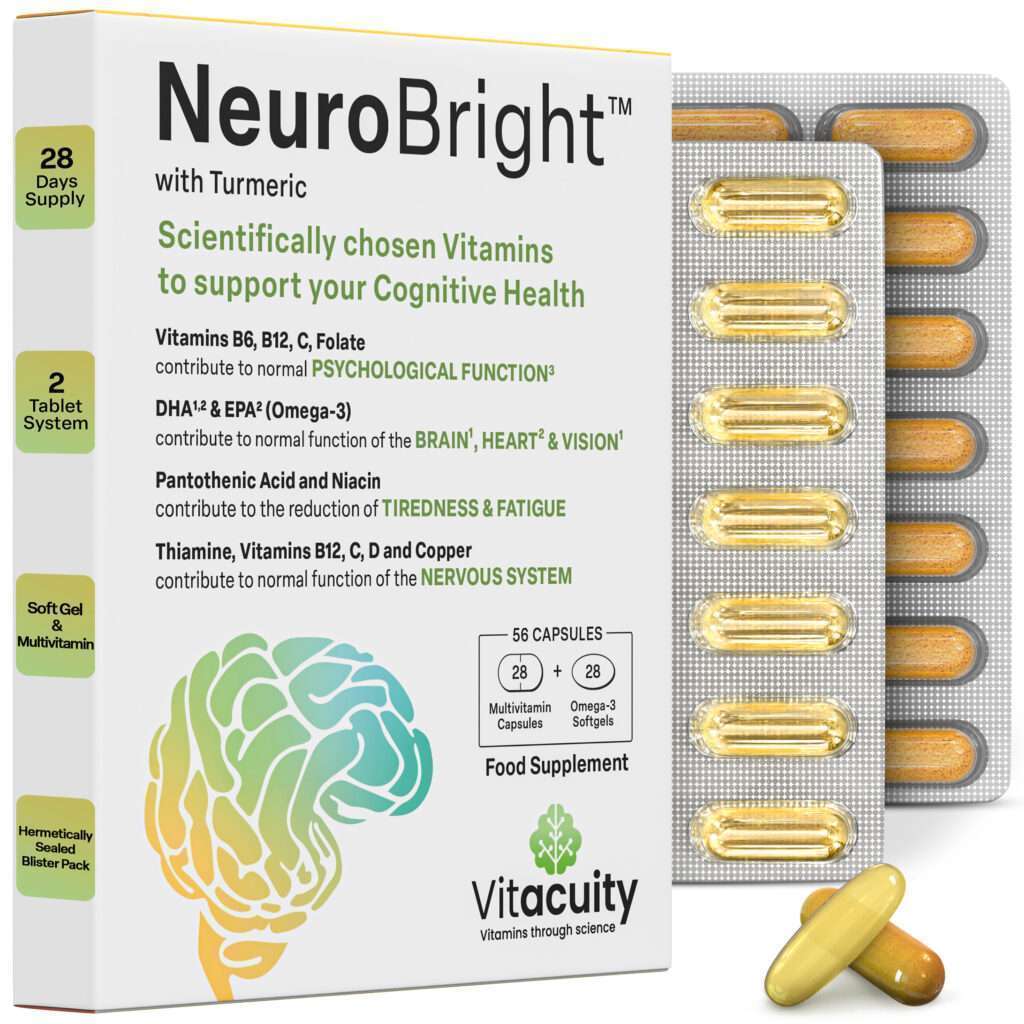
Free guide: The research behind brain health supplements
Plus our weekly research digest — straight to your inbox.
Just leave your email address.